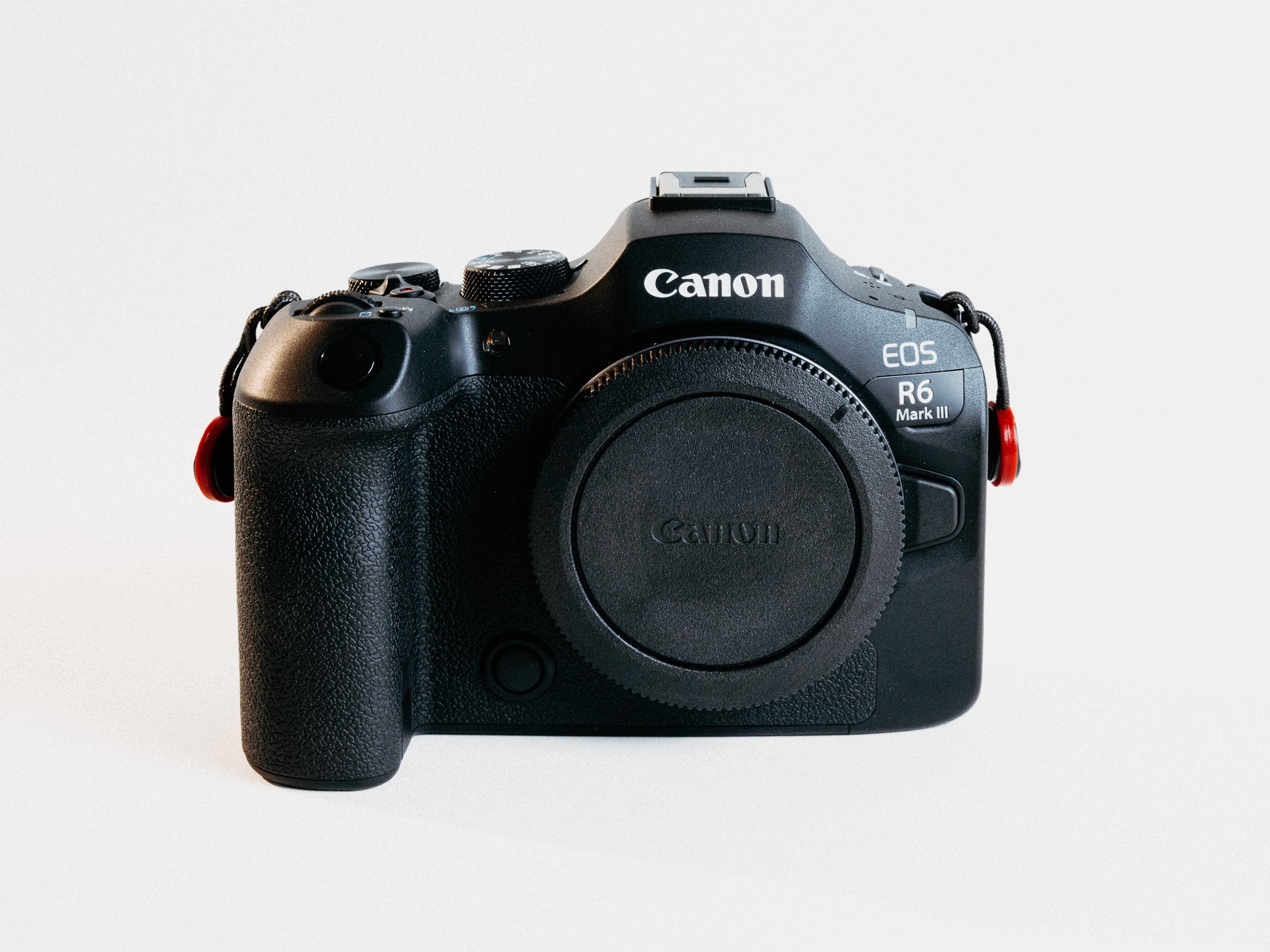
Canon R6
EOS Mark III
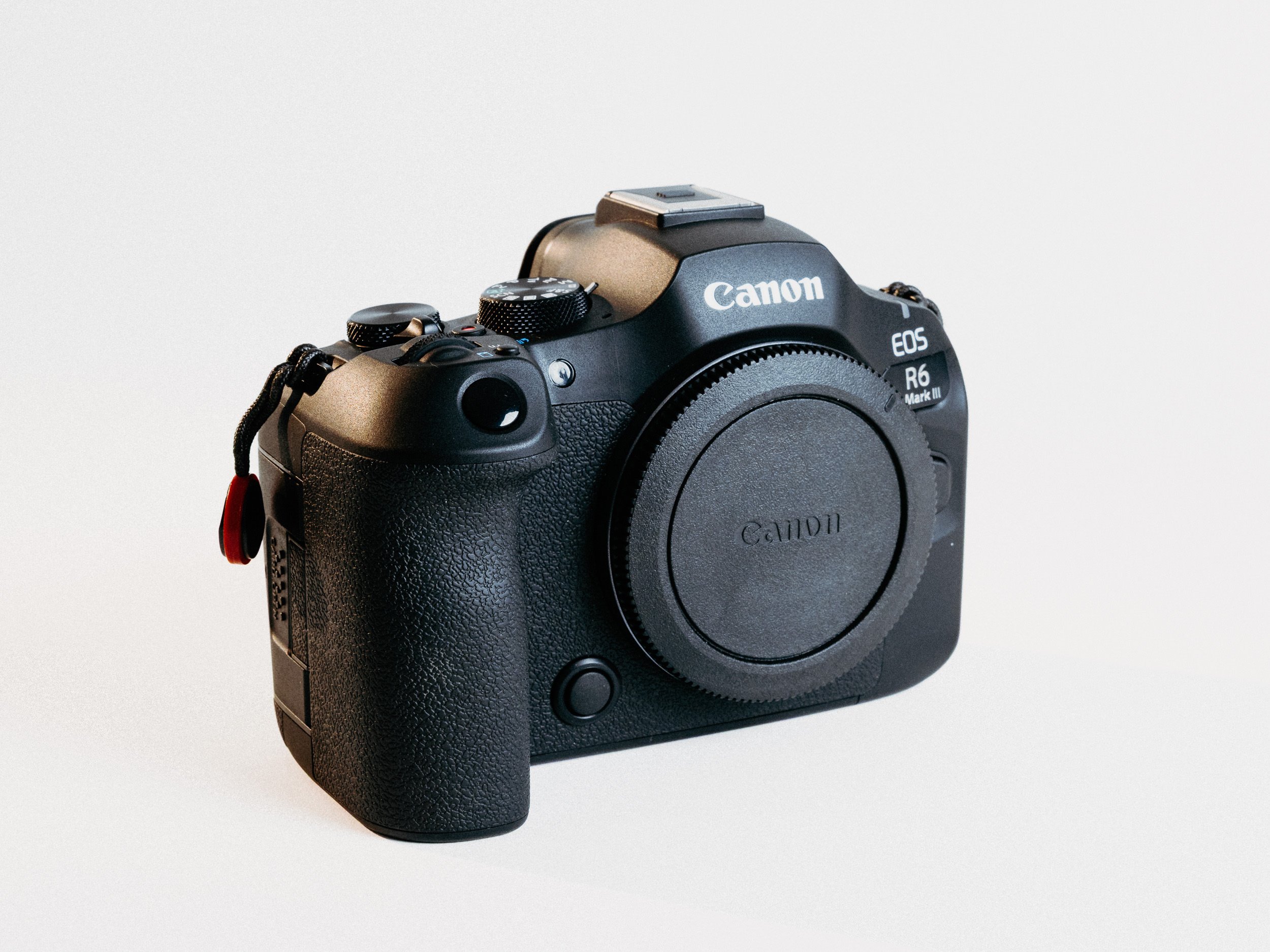
CANON EOS R6 Mark III
-
32.5MP full-frame CMOS image sensor and DIGIC X image processor.
Up to 40 fps photo shooting with 20 frames of pre-continuous shooting.
In-body image stabilization rated up to 8.5 stops in the center and 7.5 stops at the periphery with Coordinated Control IS.
Dual Pixel CMOS AF II with people, animal, vehicle detection, and Register People Priority.
Dual card slots with one CFexpress Type B card and one UHS-II SD card.
7K RAW with C-Log 2
-
The Canon R6 Mark III feels like the sweet-spot all-rounder in Canon’s EOS R line: fast enough for action, compact enough for everyday use, and surprisingly capable for serious video work. The new 32.5MP full-frame sensor gives it a strong balance of resolution, file size, and speed, while unlocking features that still feel wild in a mid-range mirrorless body: 7K downsampling, open gate, internal RAW capture, and C-Log 2. On the photo side, pre-capture is even more useful than on the R6 Mark II thanks to the CFexpress Type-B slot — finally.
I got this camera as a secondary body for my Canon R5C, and that is where it makes the most sense to me: not as a replacement, but as a very complementary hybrid camera. It gives me the sensor stabilization, autofocus improvements, and compact body that the R5C does not prioritize, while still offering a surprisingly serious set of video tools. I am still in the honeymoon phase after only a few months with the camera, but so far, the R6 Mark III feels like one of Canon’s most complete hybrid bodies.
My main drawback so far is autofocus. The system has clearly matured since the original EOS R and the DSLR era, but it does not always pick what I want it to pick. I still find myself falling back to the old-school 5-point crosshair style of focusing more often than expected when I need focus to land exactly where I want it. Eye Control AF might be the cleaner solution, but Canon keeps that higher up the lineup.
Pros:
32.5MP files strike a good balance between image quality and file size.
Pre-capture works for both photos and video.
Open Gate 6K, RAW video capture, and C-Log 2 are excellent for a mid-range body.
Downsampled 4K offers a strong mix of bit rates and codecs, and is much better for video than the R5 Mark II in some workflows.
Dual card slots with CFexpress Type-B — CFexpress is the best, there I’ve said it — and SD are a major upgrade.
Autofocus setup is simplified compared to the original R5, R5C, and R6.
Cons:
Video settings menu can still feel confusing, which is odd for Canon.
No partially stacked sensor, even if performance feels close in practice at roughly 13.2–13.5 ms in electronic shutter, though it does drop to 12-bit RAW.
Rear display feels small.
Heat control is much better, but the heat indicator can still appear and climb in some situations.
Photo/video mode separation creates annoying limitations, including only JPEG capture in video mode and no C-Log video recording in photo mode — alright, that’s a small one.
Despite major AF improvements over the early EOS R line, I still often rely on the old 5-point crosshair focus style to put focus exactly where I want it.
-
Get it if you want one Canon RF body to cover photography, video, travel, client work, and social content without over-specializing.
Get it if Open Gate, 7K RAW Light, and 4K 120p matter for reframing, vertical delivery, or future-proofing footage.
Get it if the R5C feels too video-focused and you want a more complete hybrid body.
Get it if you own an original R6 and are ready for the next step.
Pass if you already own an R6 Mark II and use it mainly for photography.
Pass if budget is the priority; the R6 Mark II or a used Canon body may deliver most of the practical value for less.
Review coming soon
ESSENTIAL LENSES
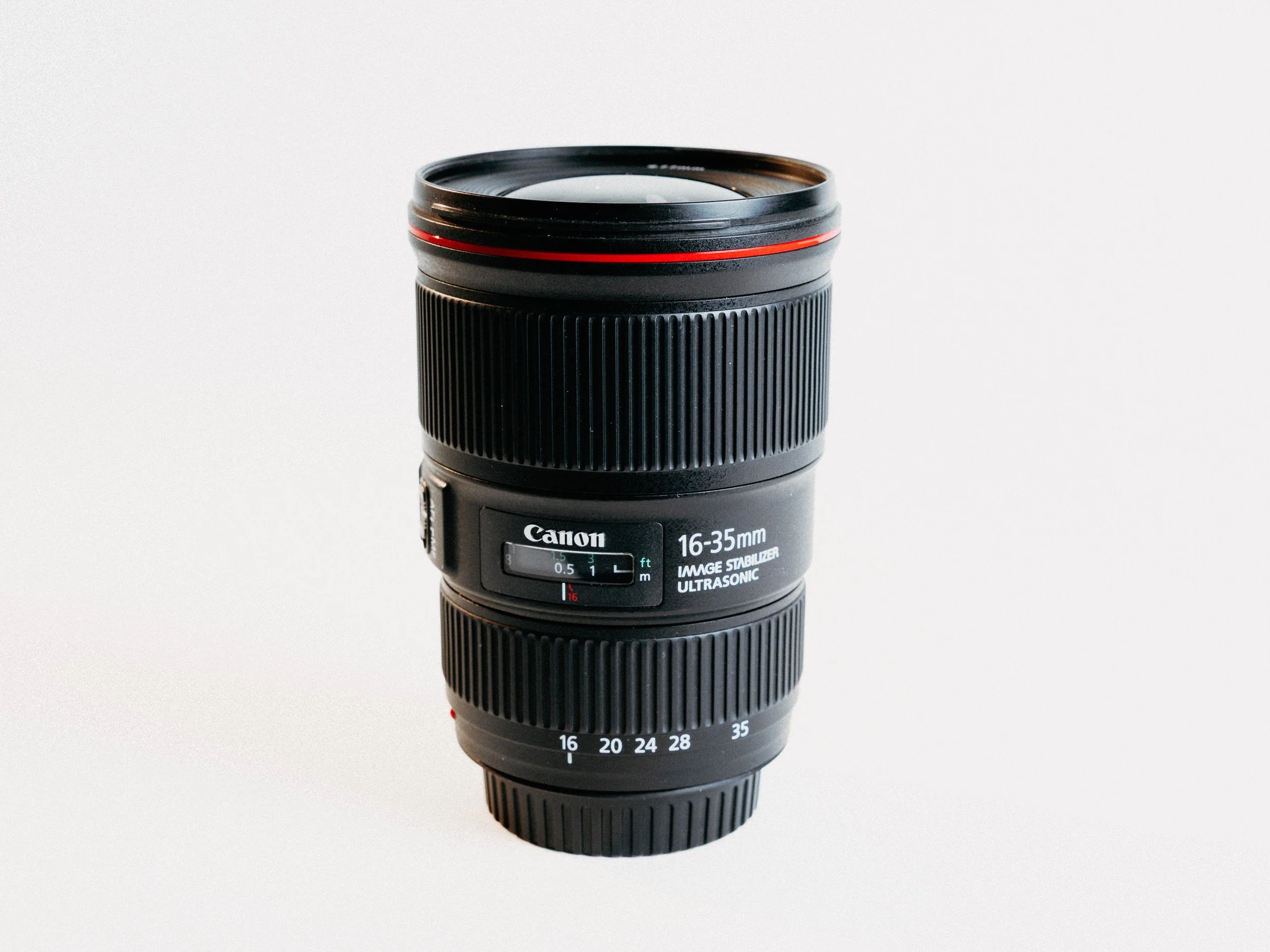
Canon EF 16-35mm f/4 IS L
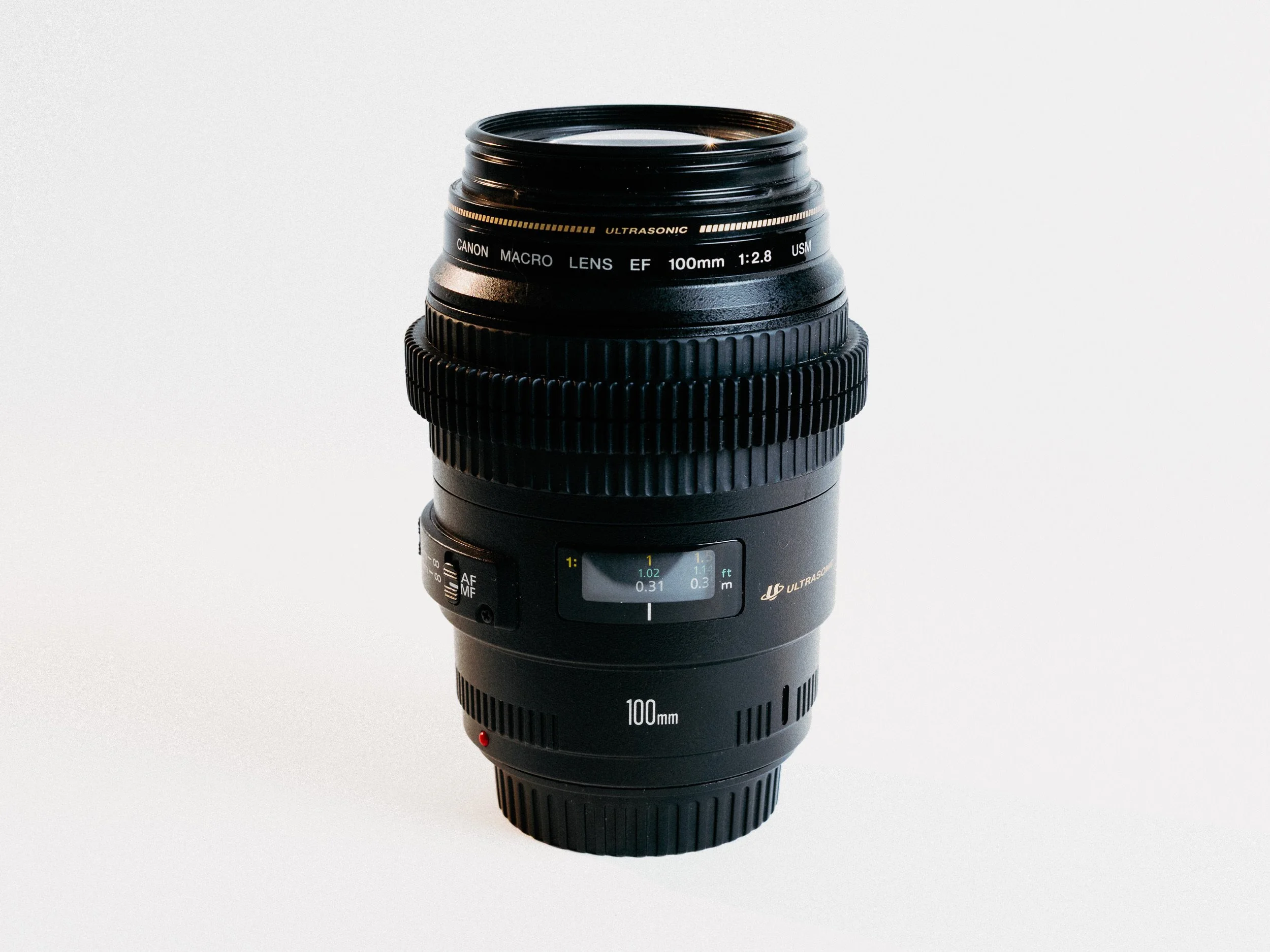
Canon EF Macro 100mm f/2.8 USM
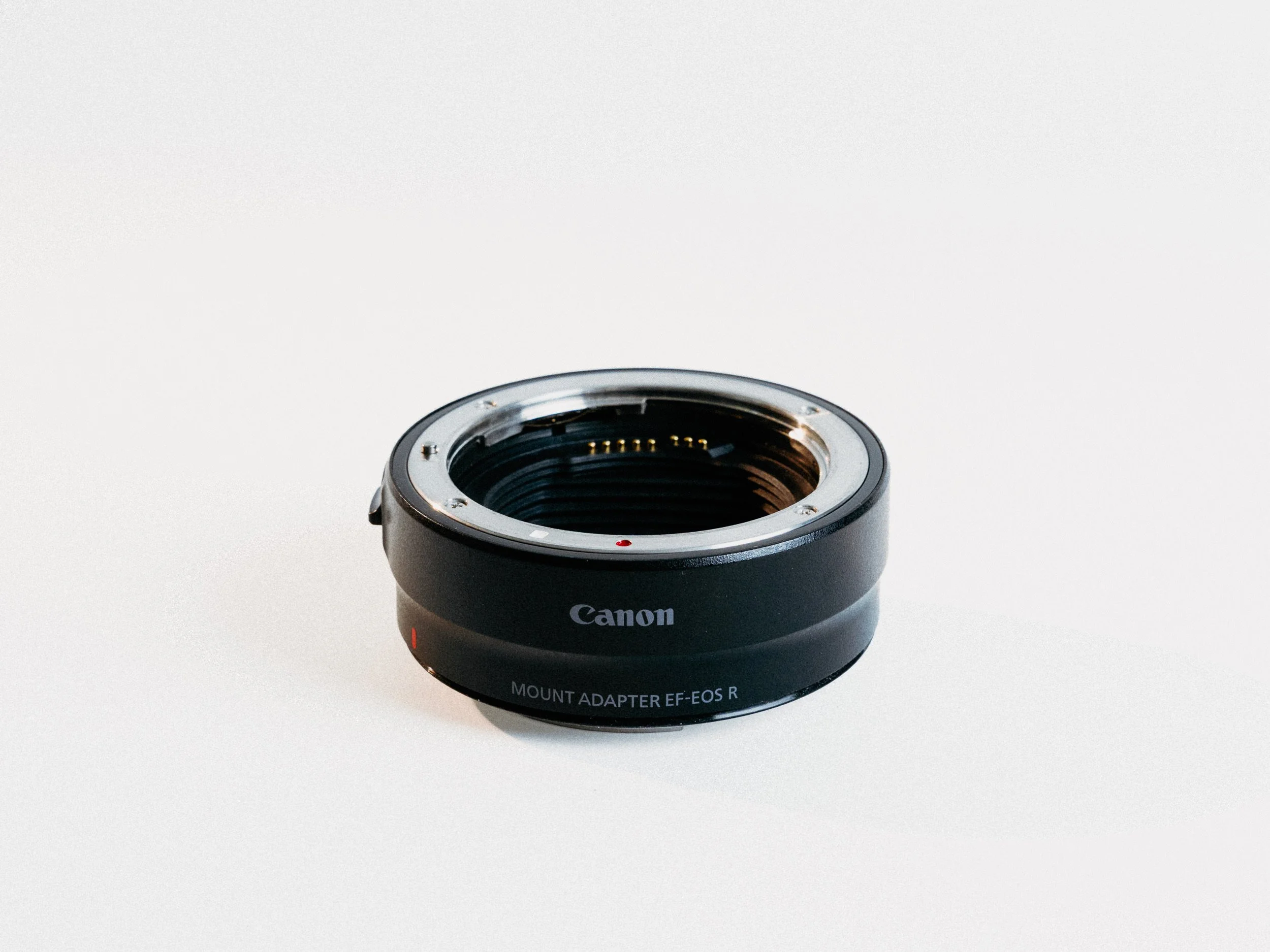
Canon EF to RF Lens Adapter
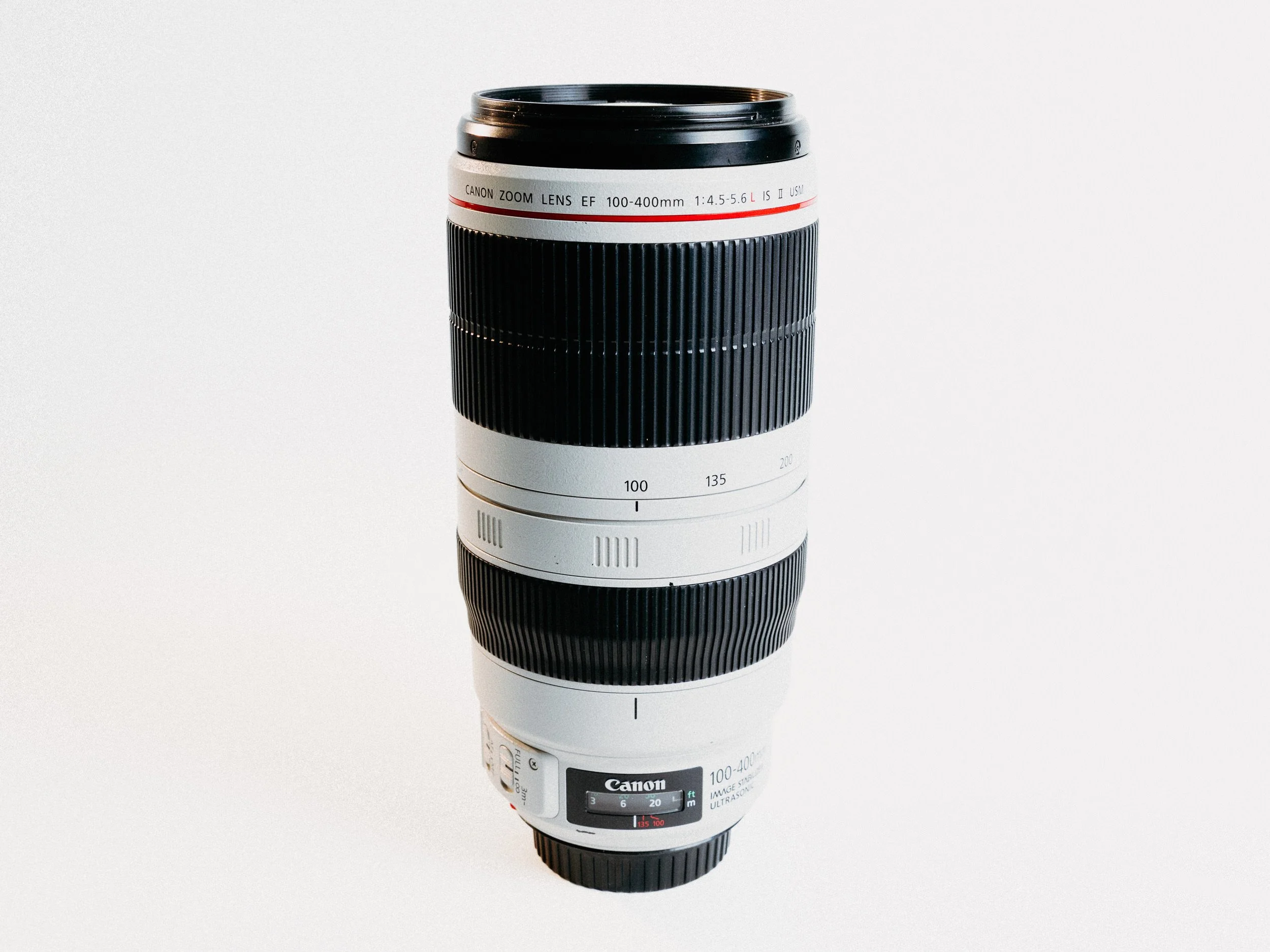
Canon EF 100-400mm f/4.5-5.6 IS L II
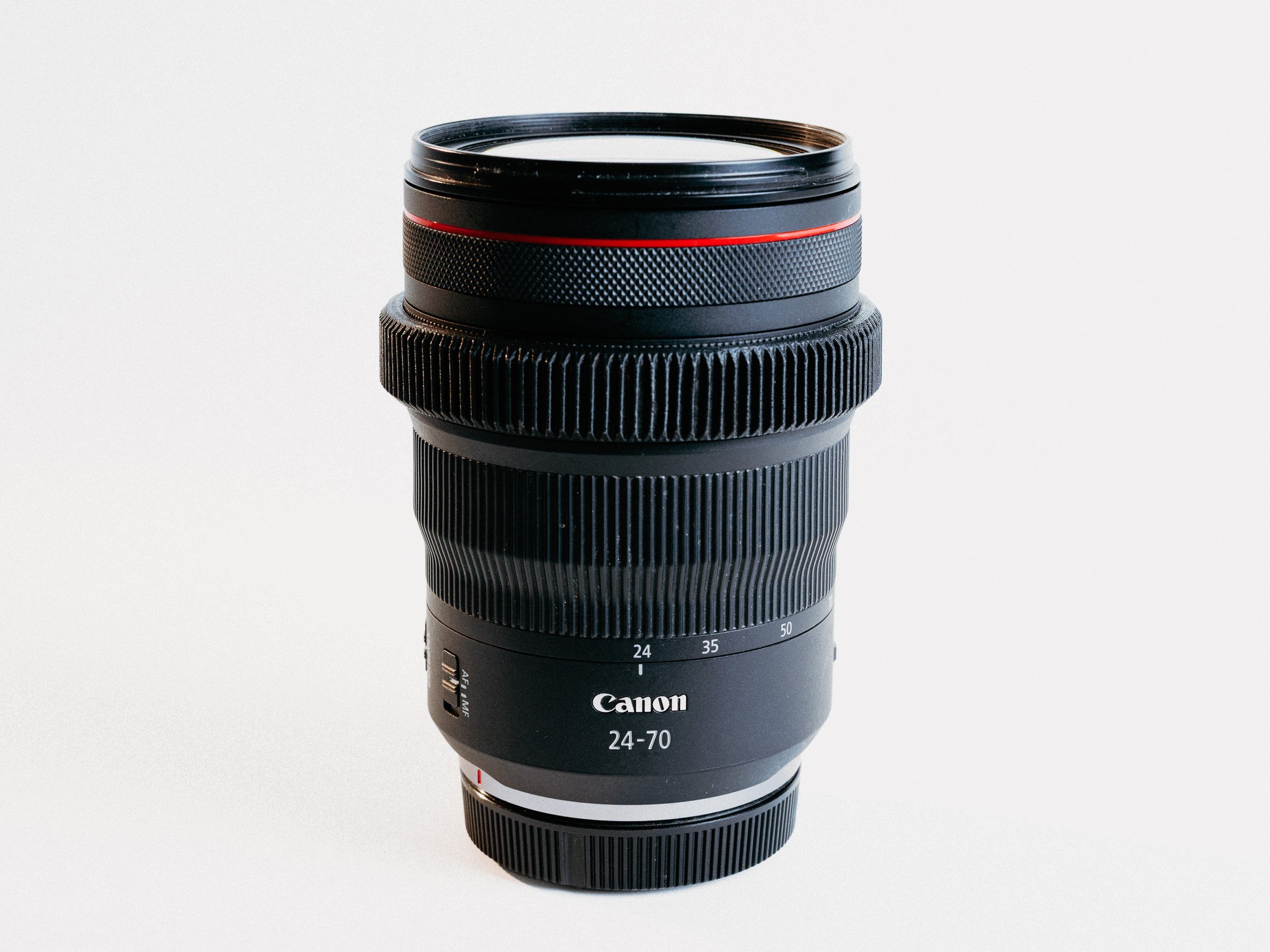
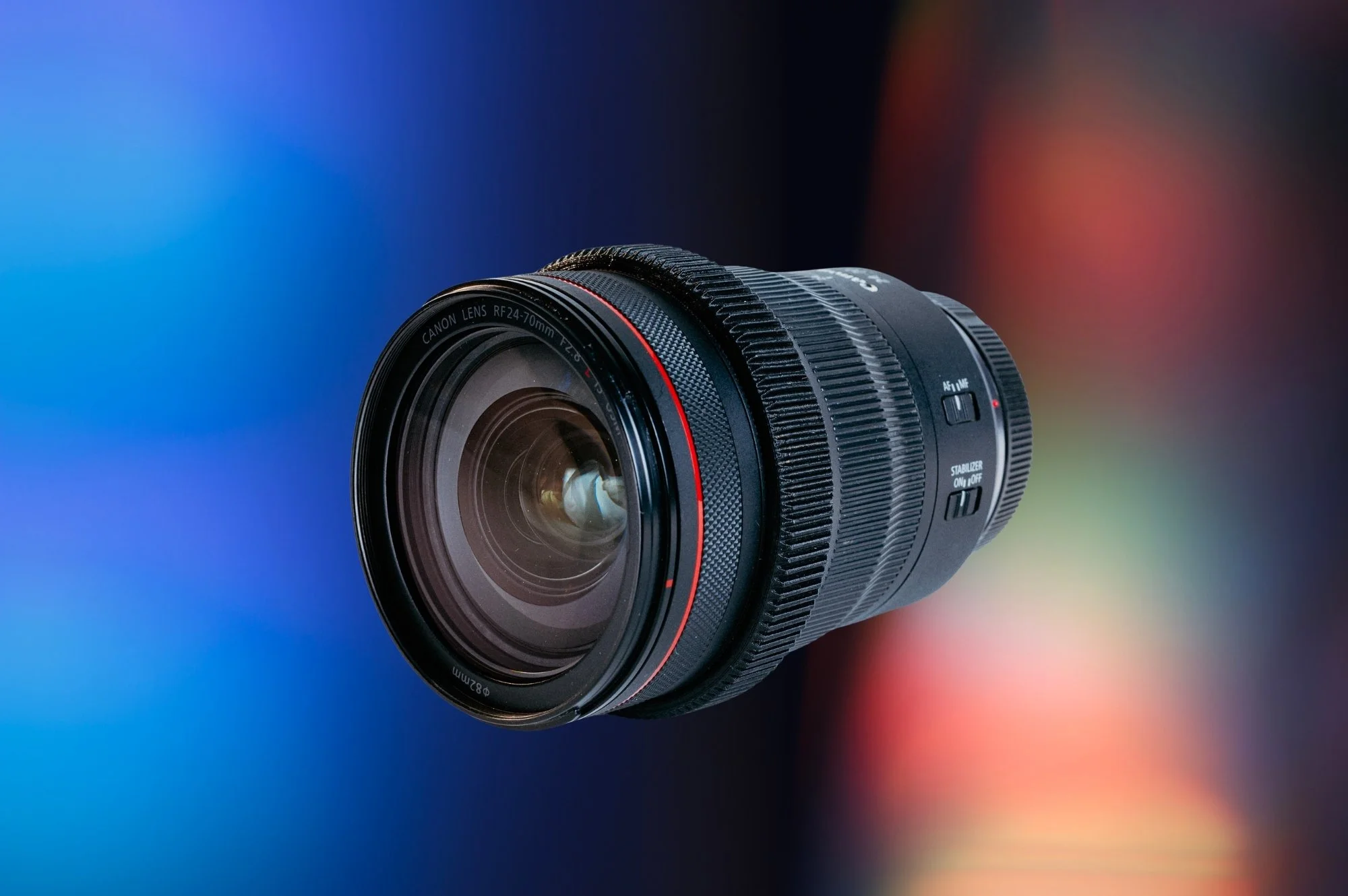
Canon RF 24-70 f/2.8 IS L
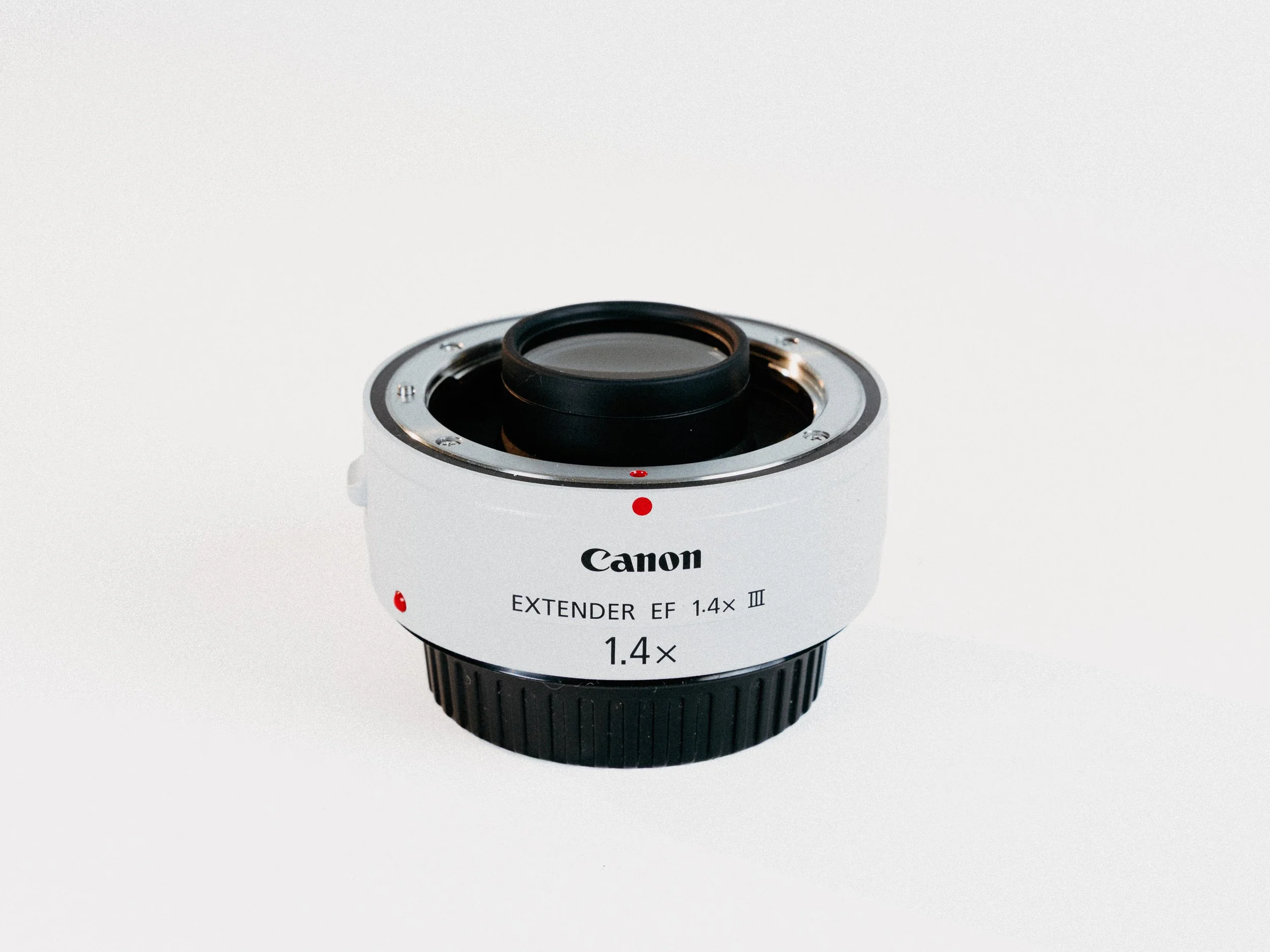
Canon EF Extender 1.4x III
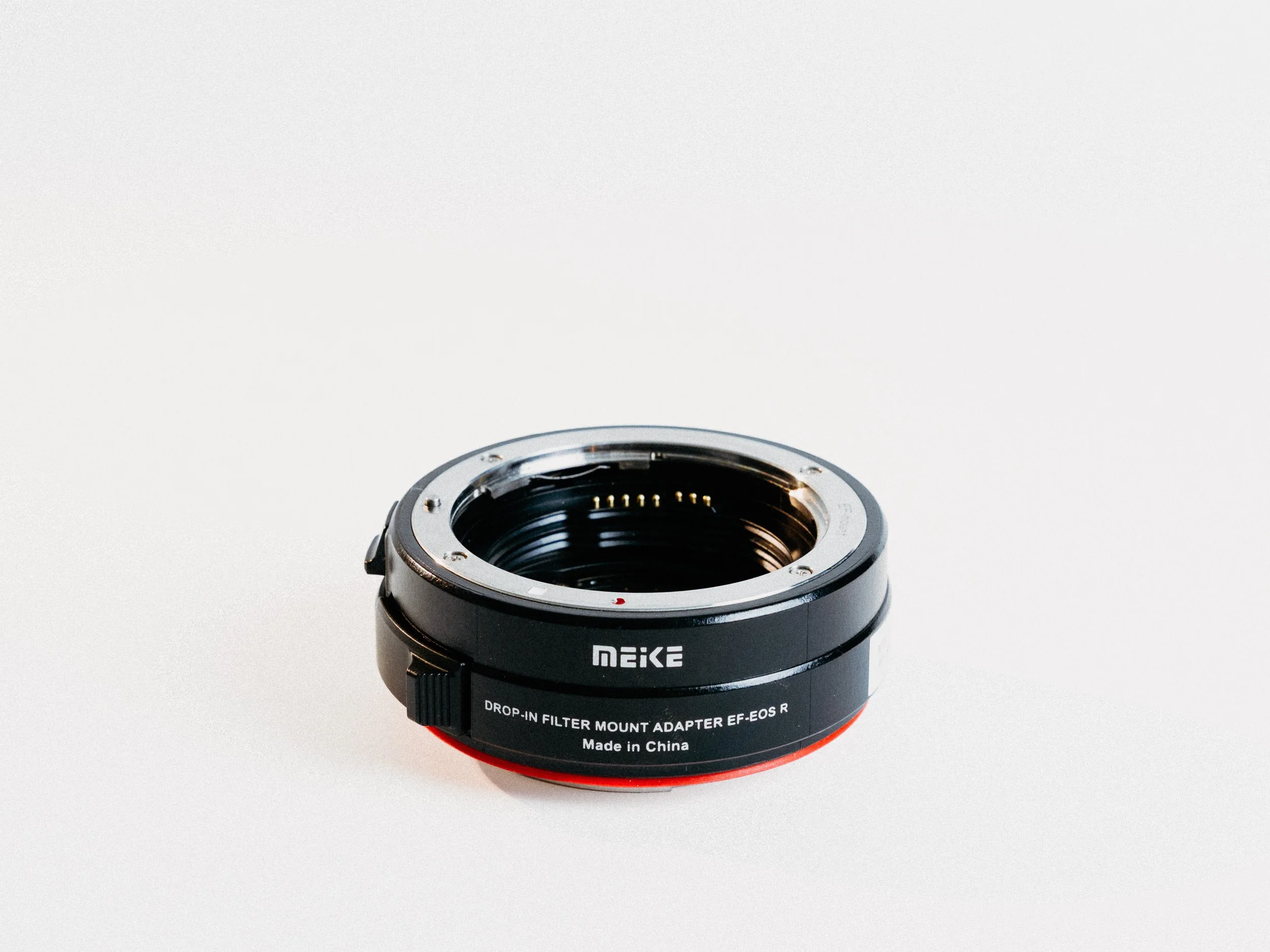
Meike EF to RF Lens Adapter with Drop-in VND Filter
ACCESSORIES
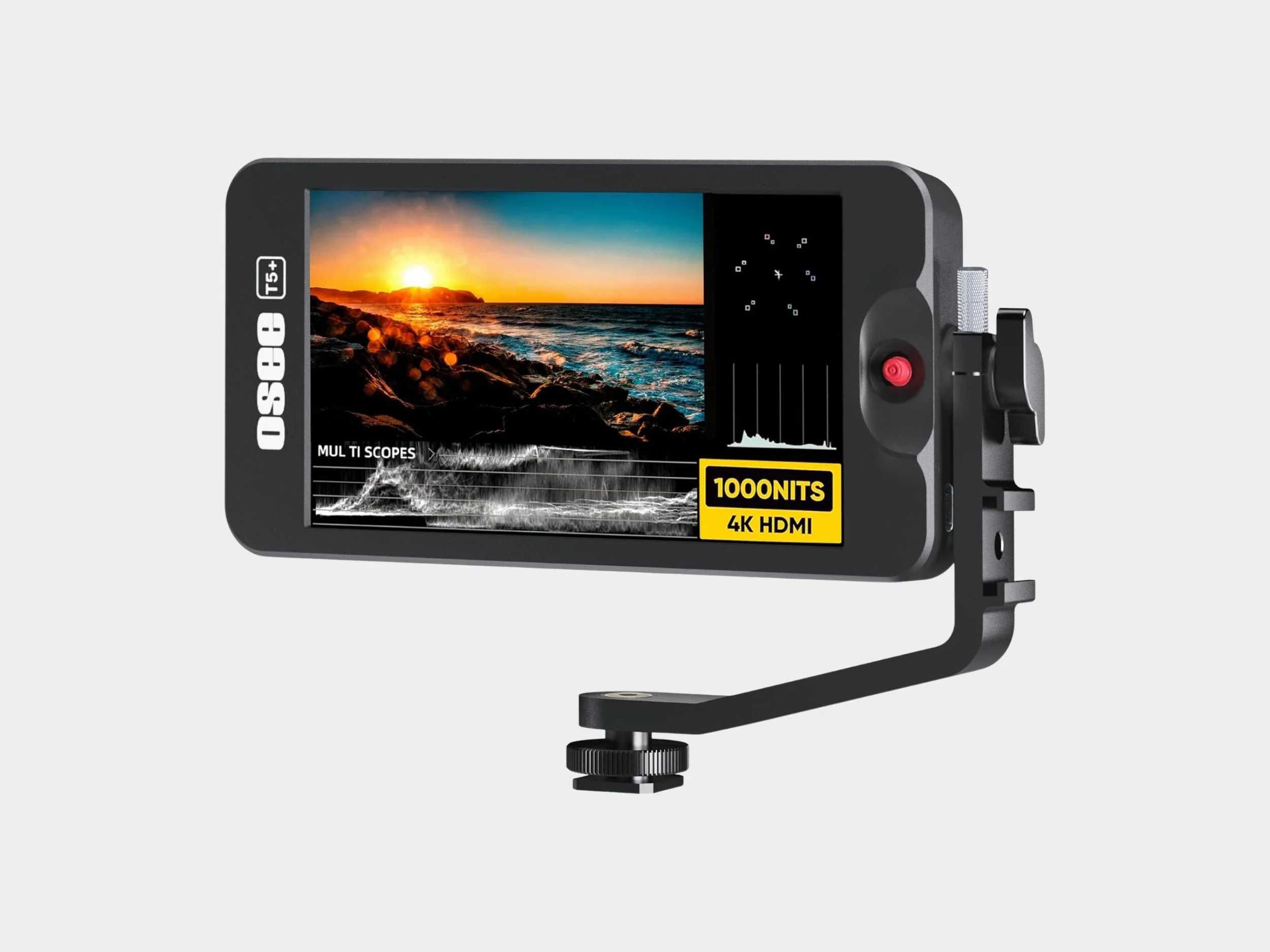
Osee T5+ 5.5” Monitor 1000nits
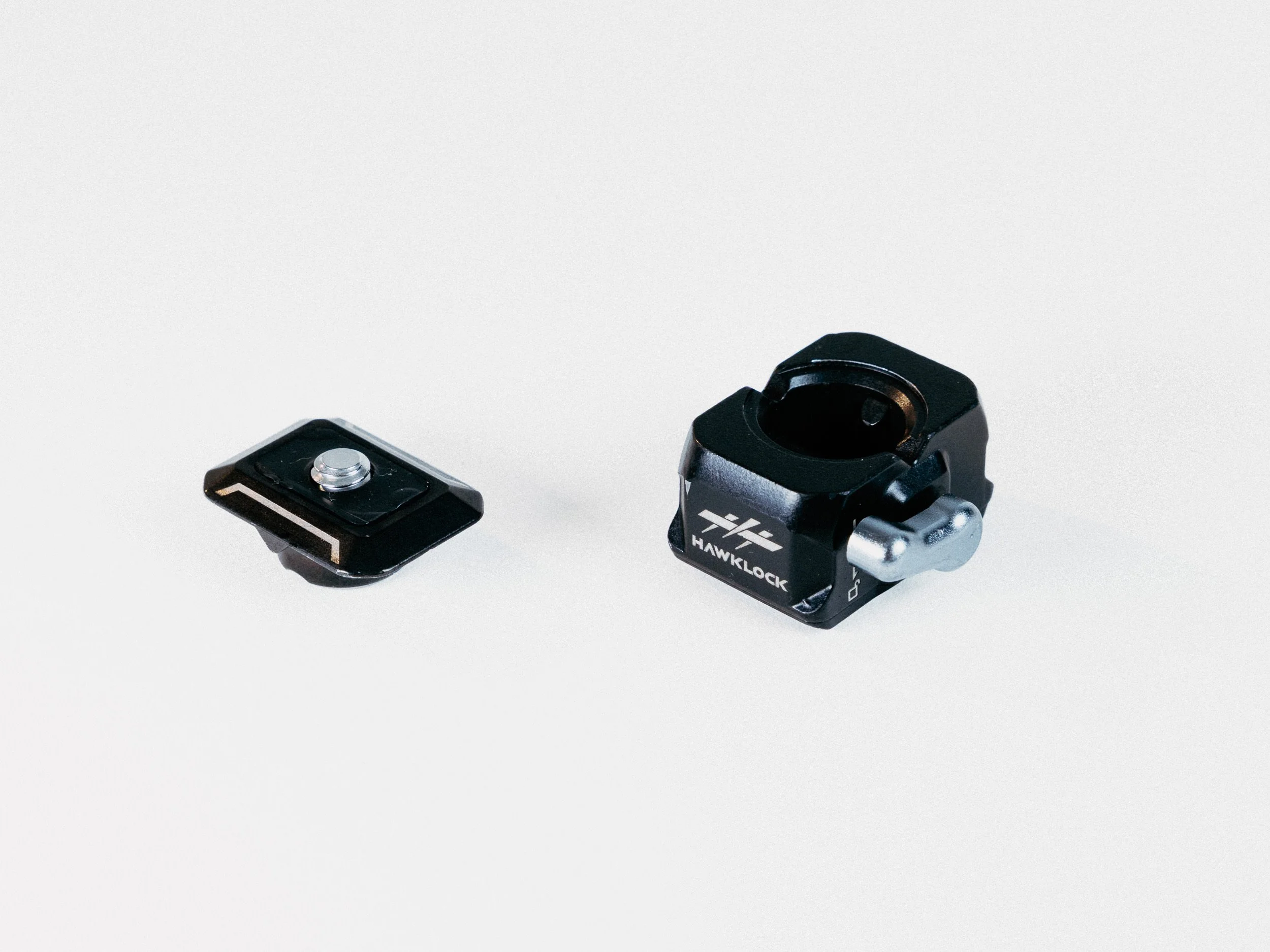
SmallRig Hawklock System 3513C
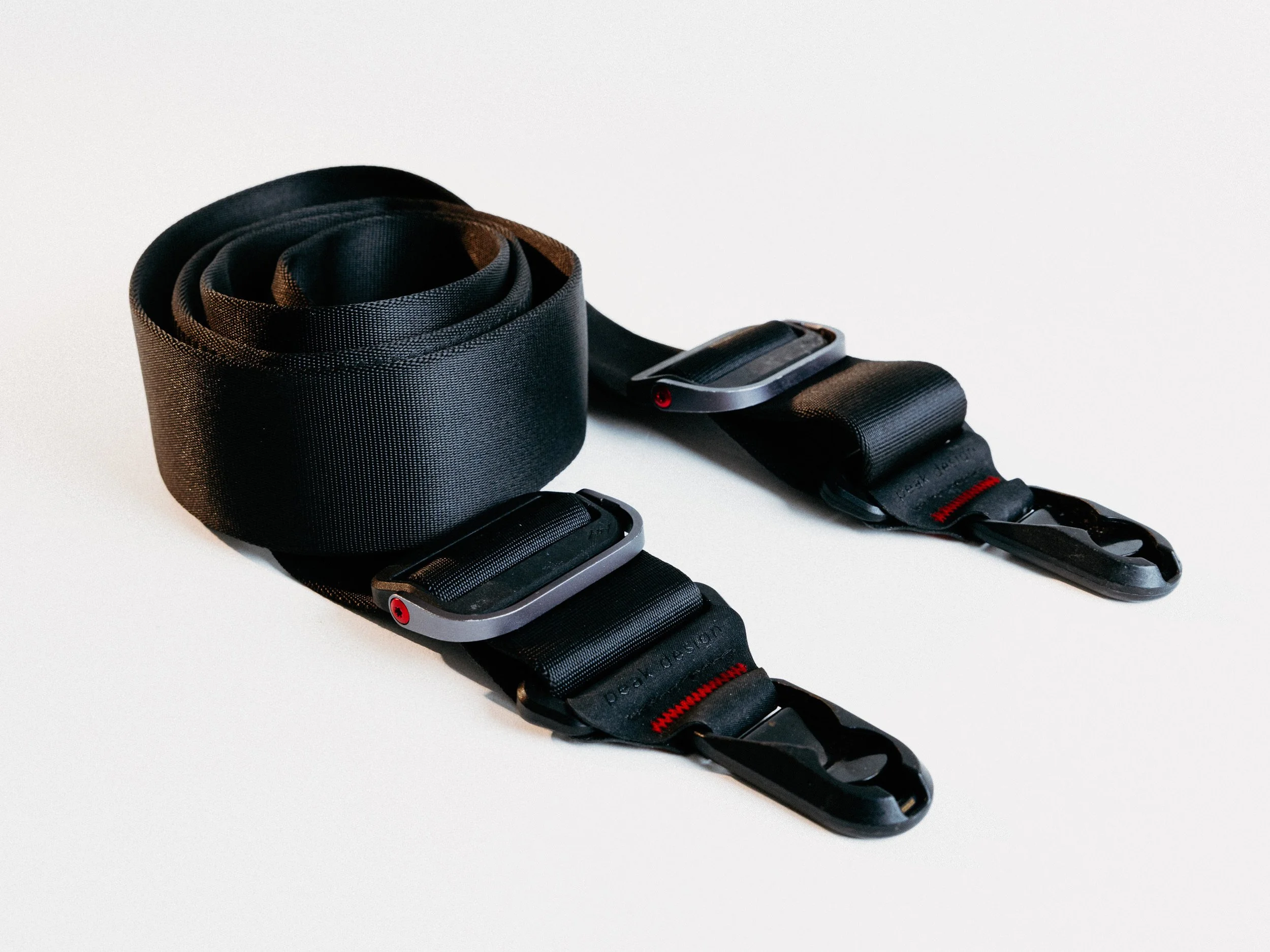
PeakDesign Slide Straps
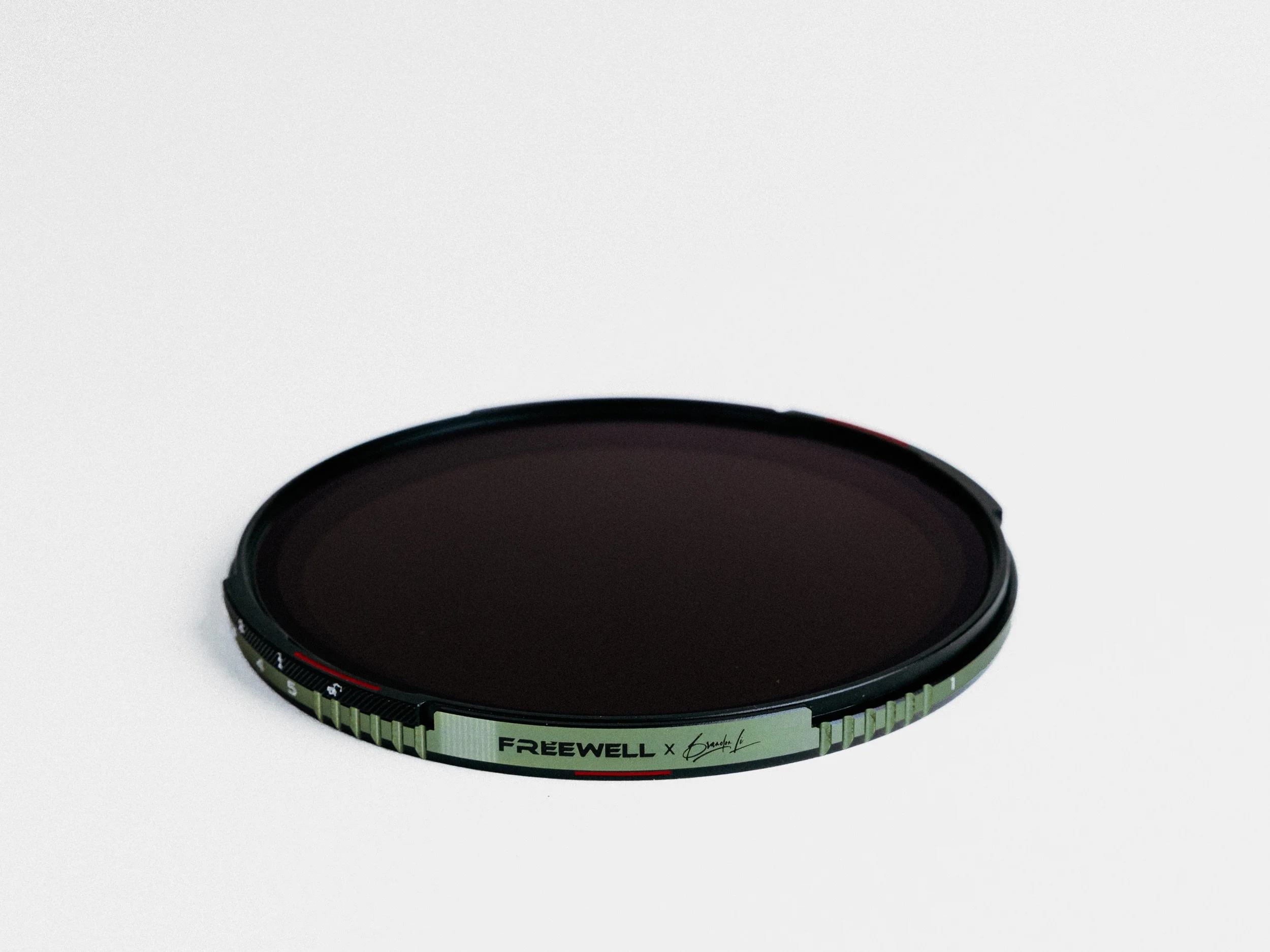
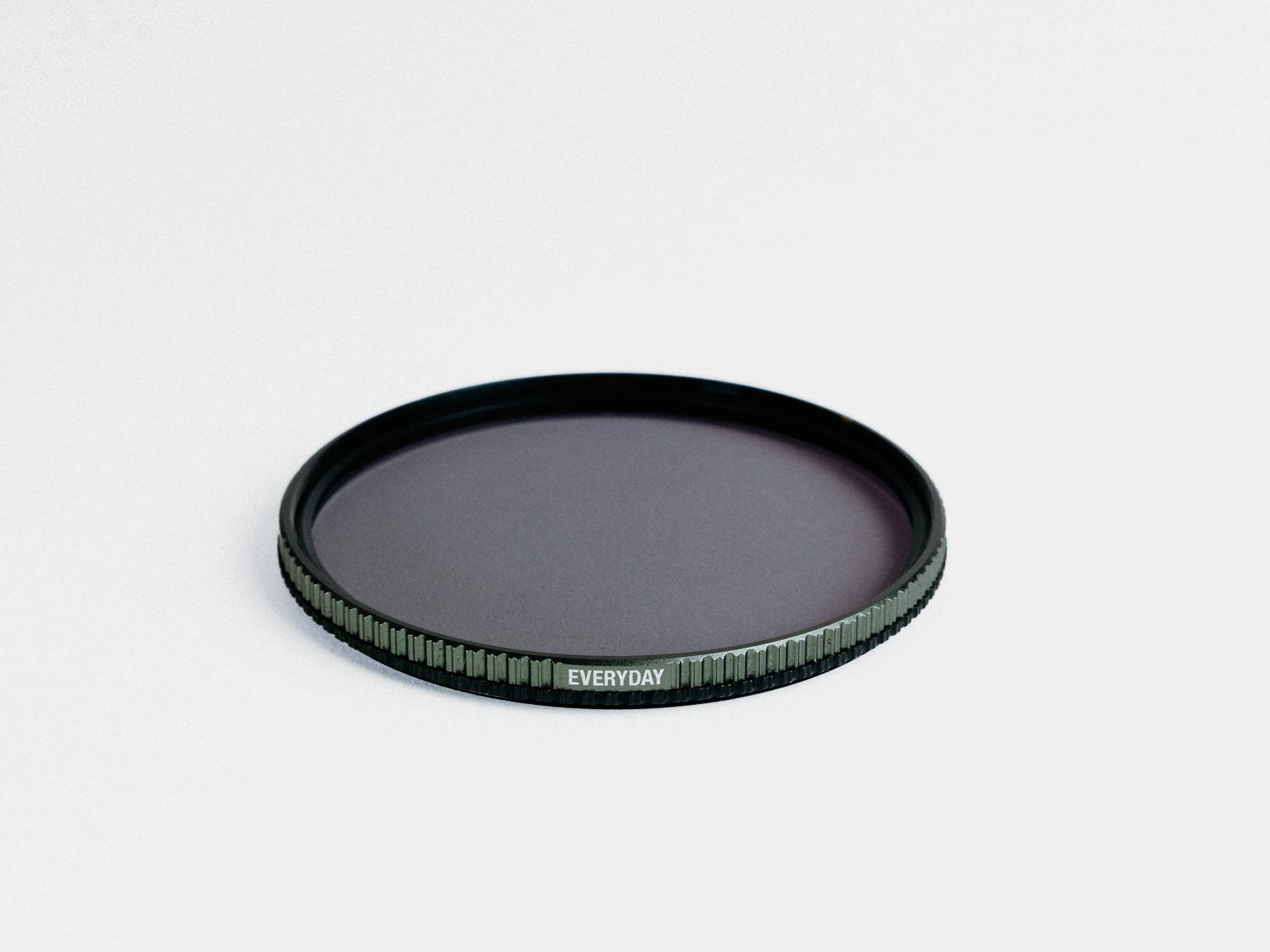
Freewell x Brandon Li Magnetic VND+CPL Kit

Kondor Blue 8.5" Right Angle USB-C Braided Cable for 8K Data and Power Delivery
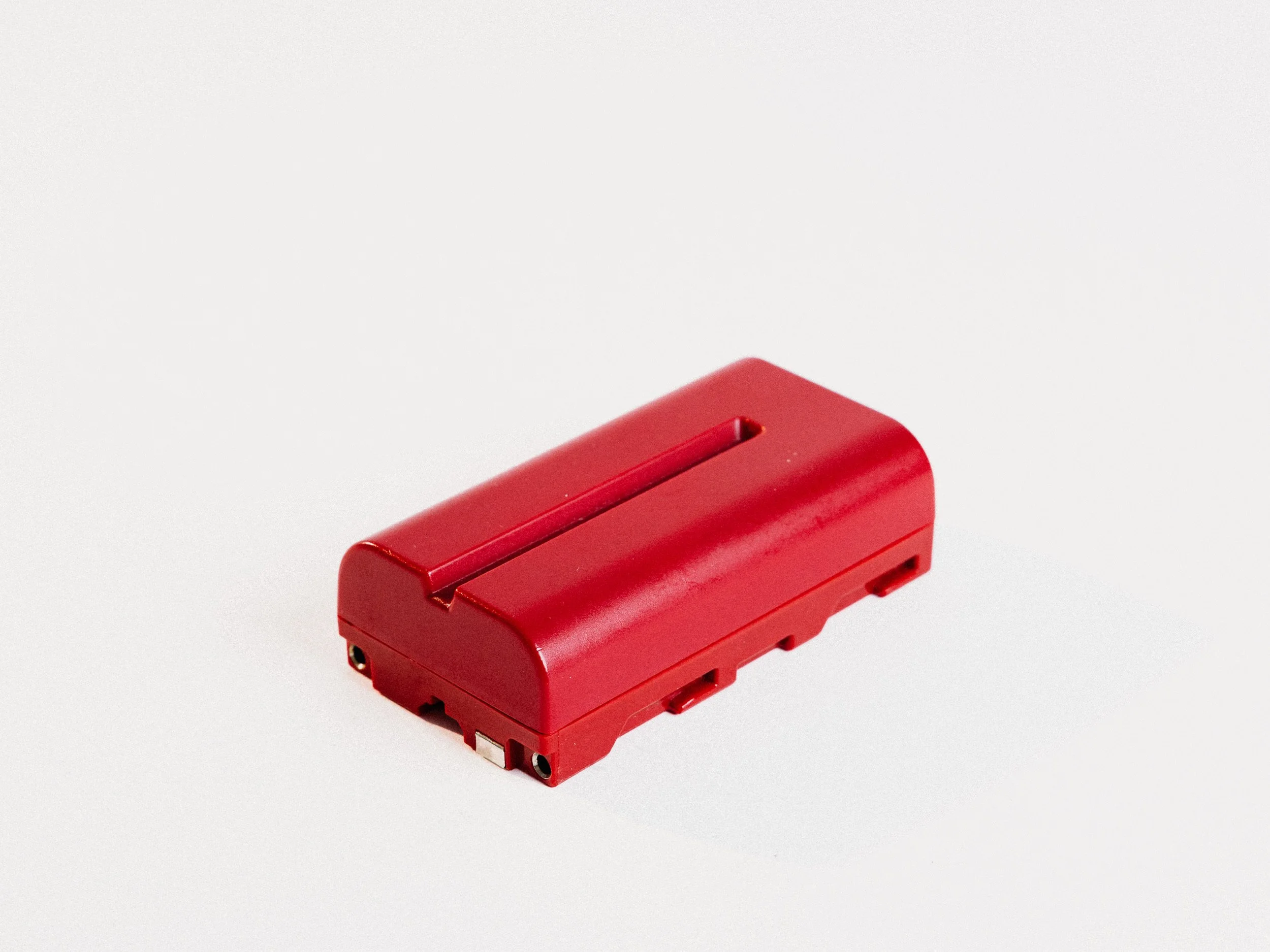
Neewer NP-F550 Battery
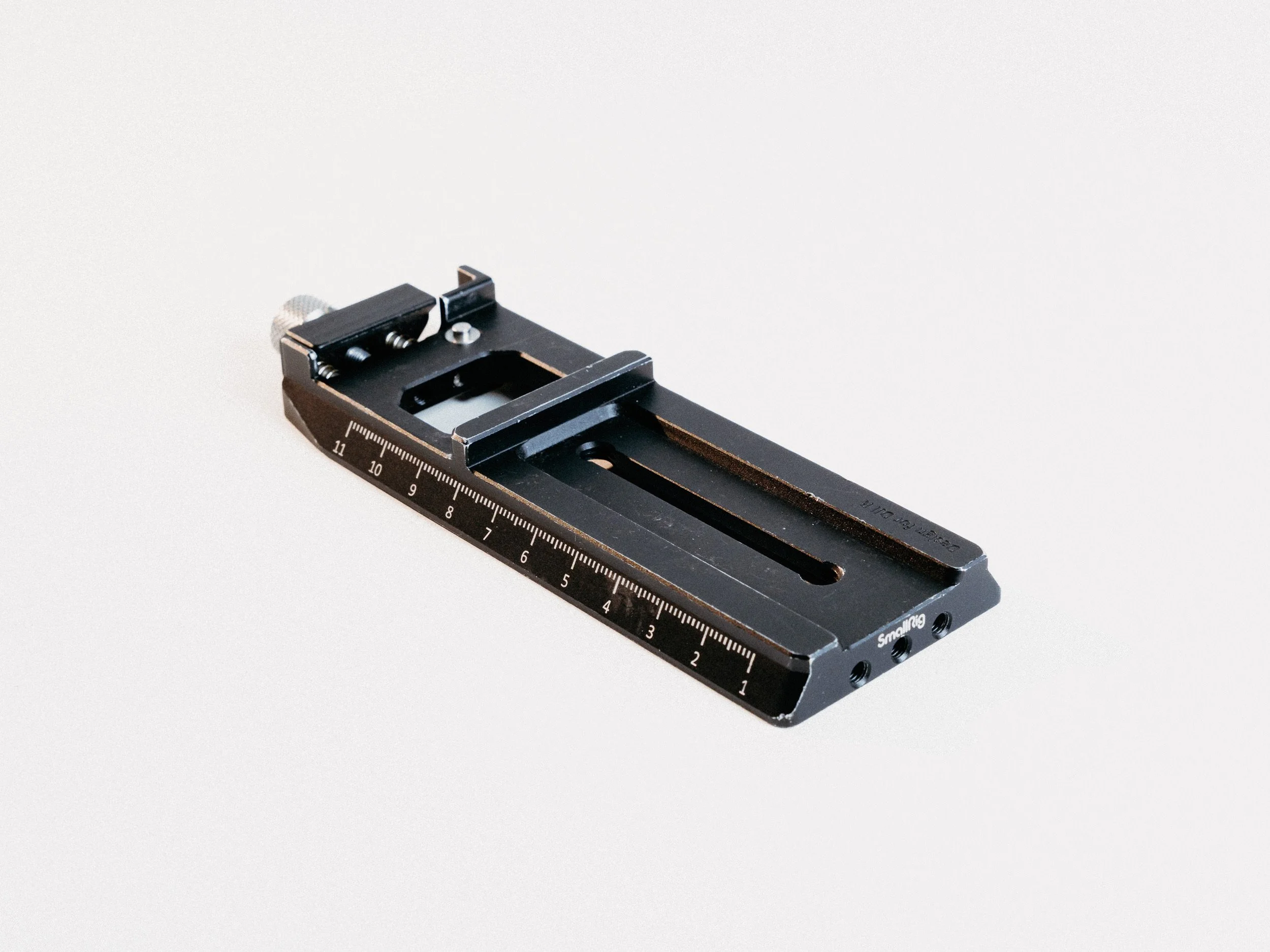
SmallRig 5.5'' Camera Plate Arca-Swiss and DJI Gimbal (3061)
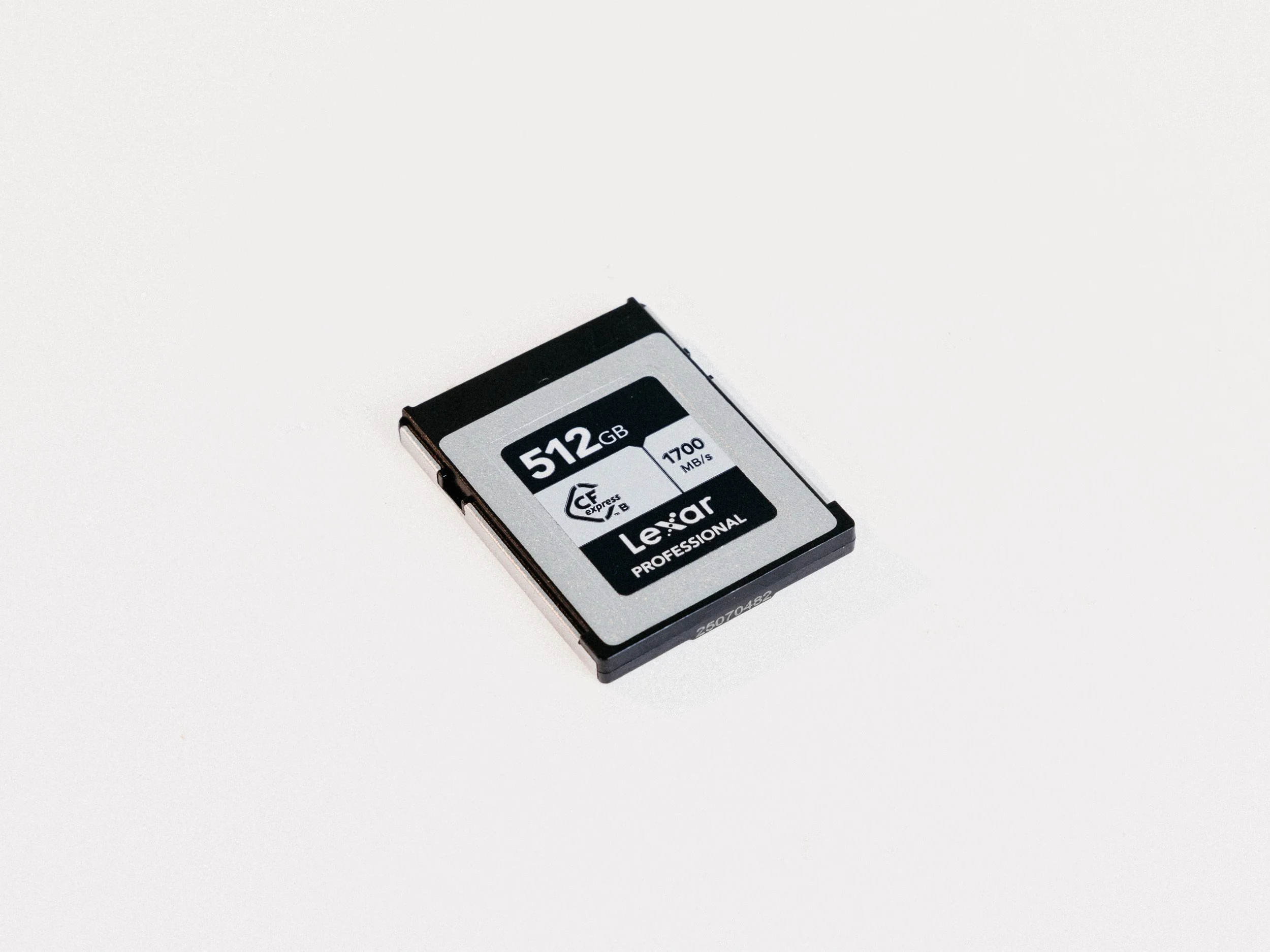
Lexar 512GB CF-Express Type-B
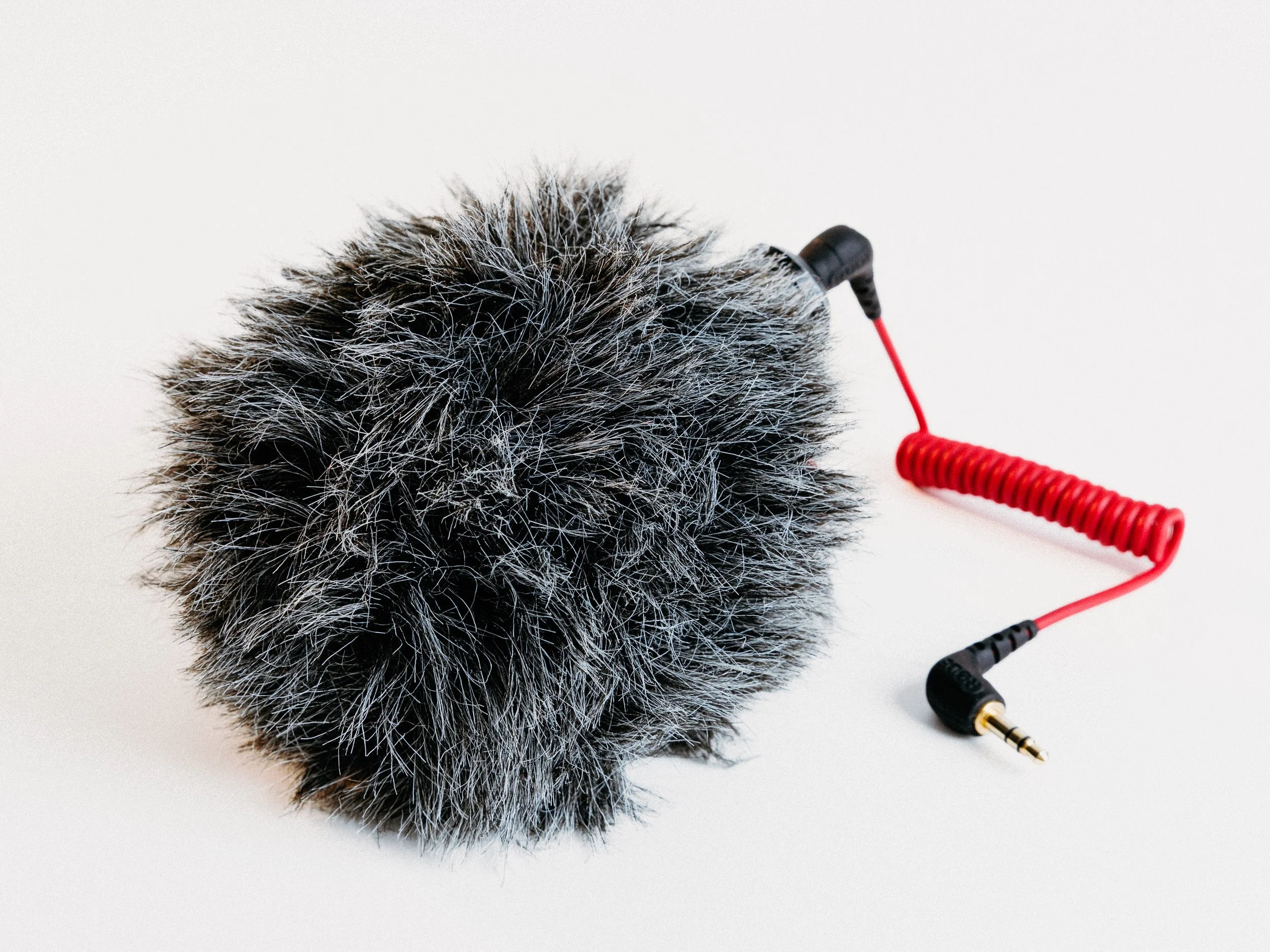
Rode VideoMicro Shotgun Mic
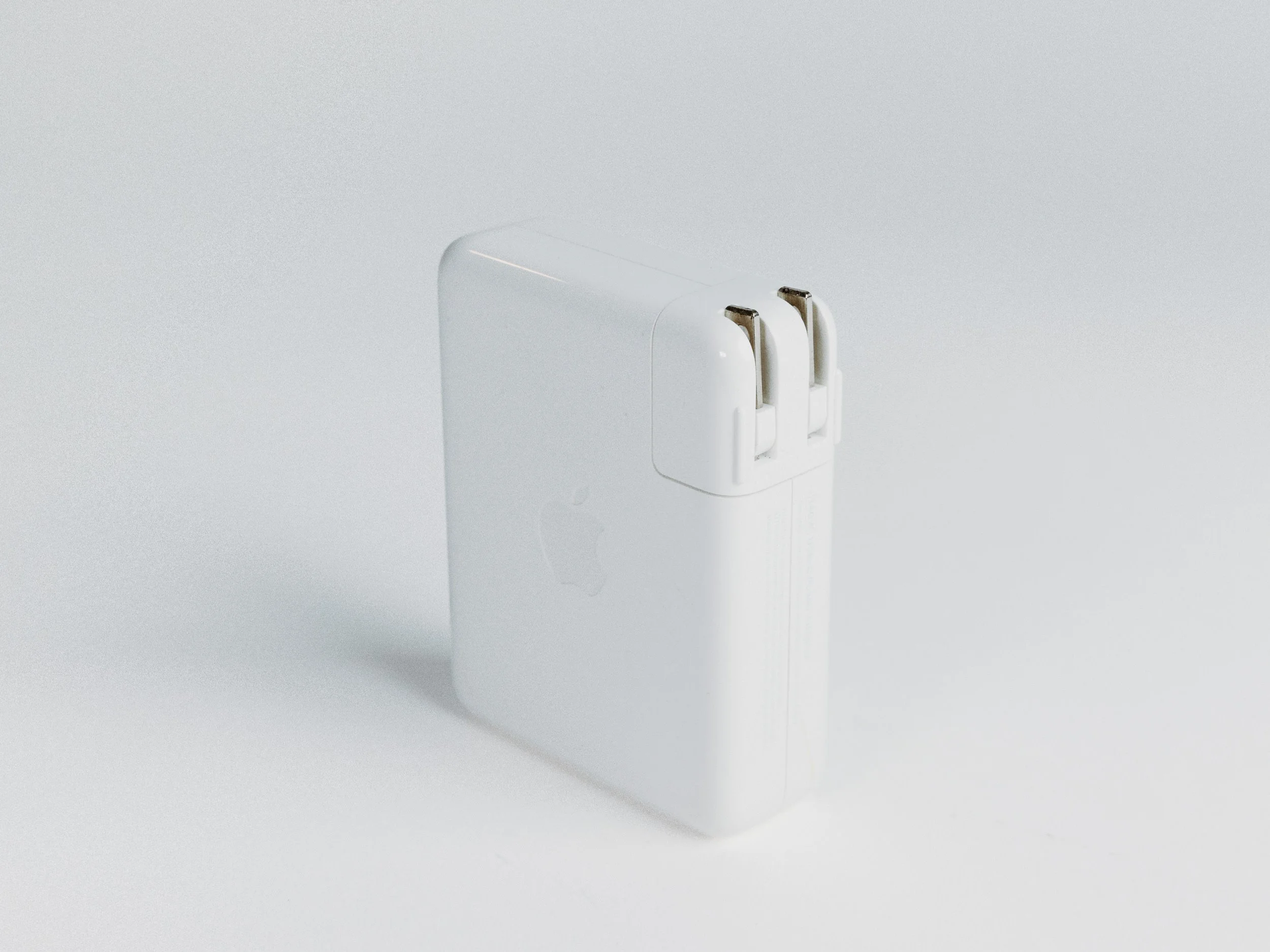
Apple 140W Charger
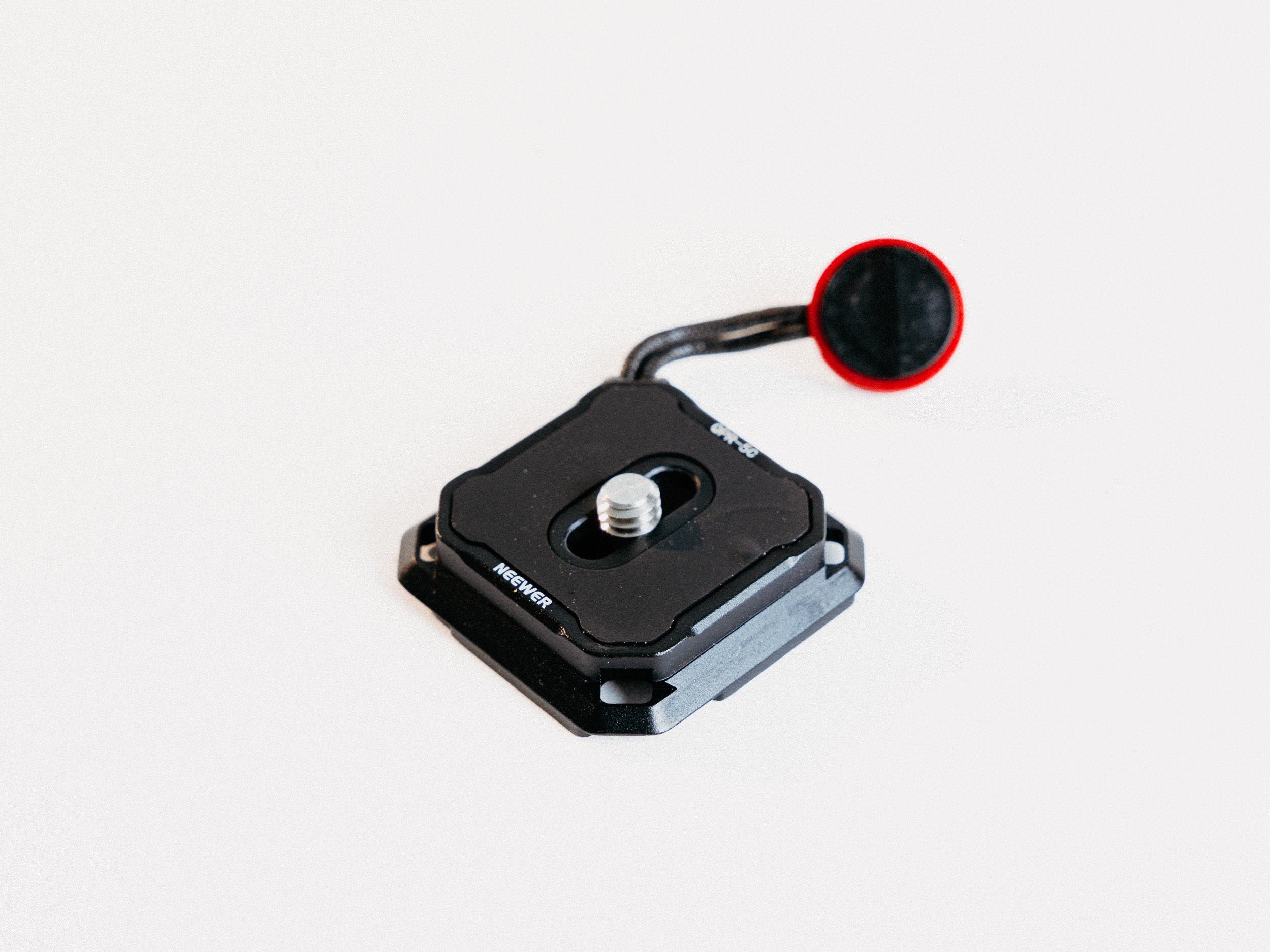
Neewer Quick Release Plate Arca-Swiss, 38mm (compatible PD V3 + SmallRig VMount Plate)
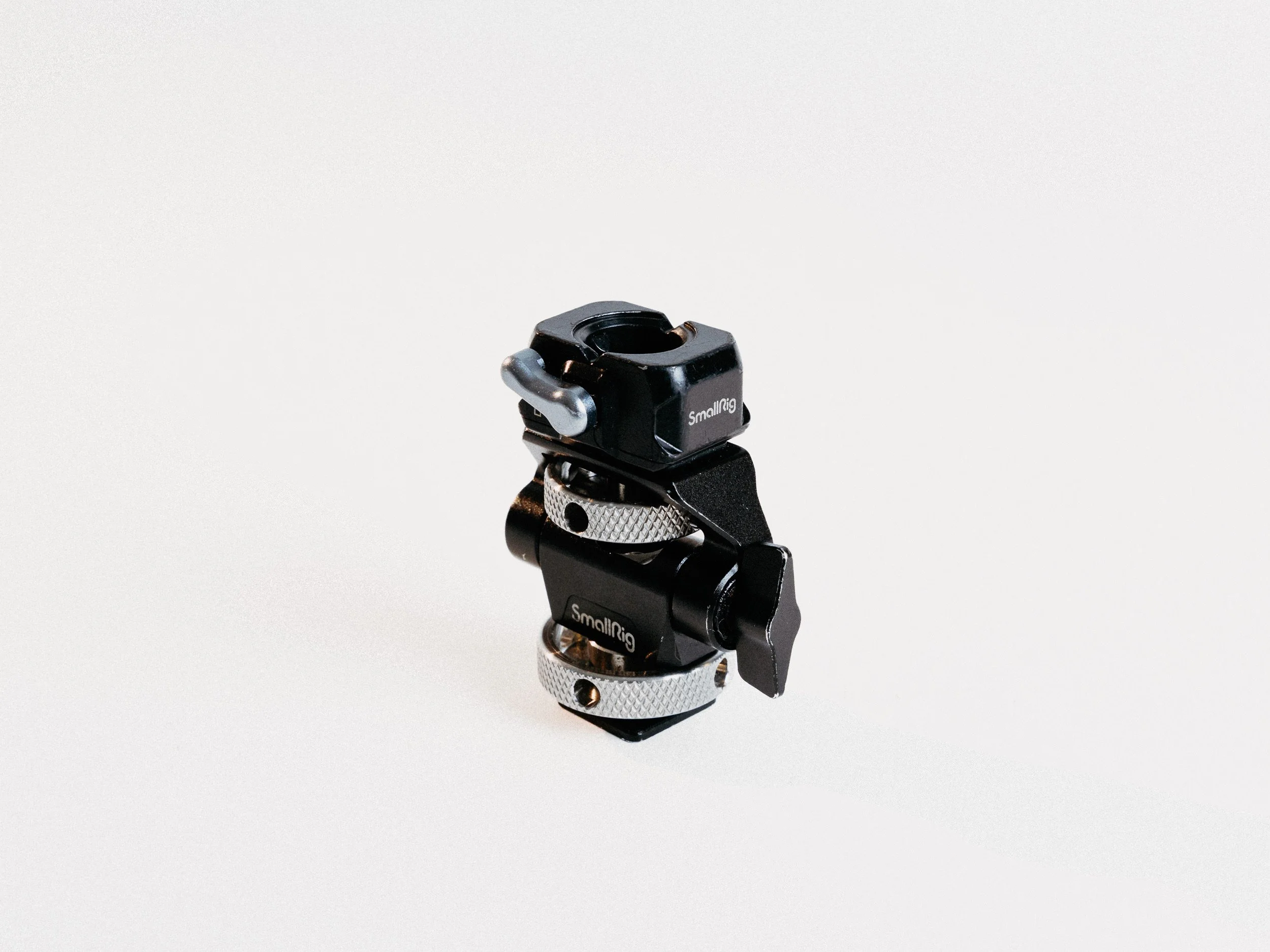
SmallRig Swivel Monitor Mount (2905B) + Hawklock (3513C)
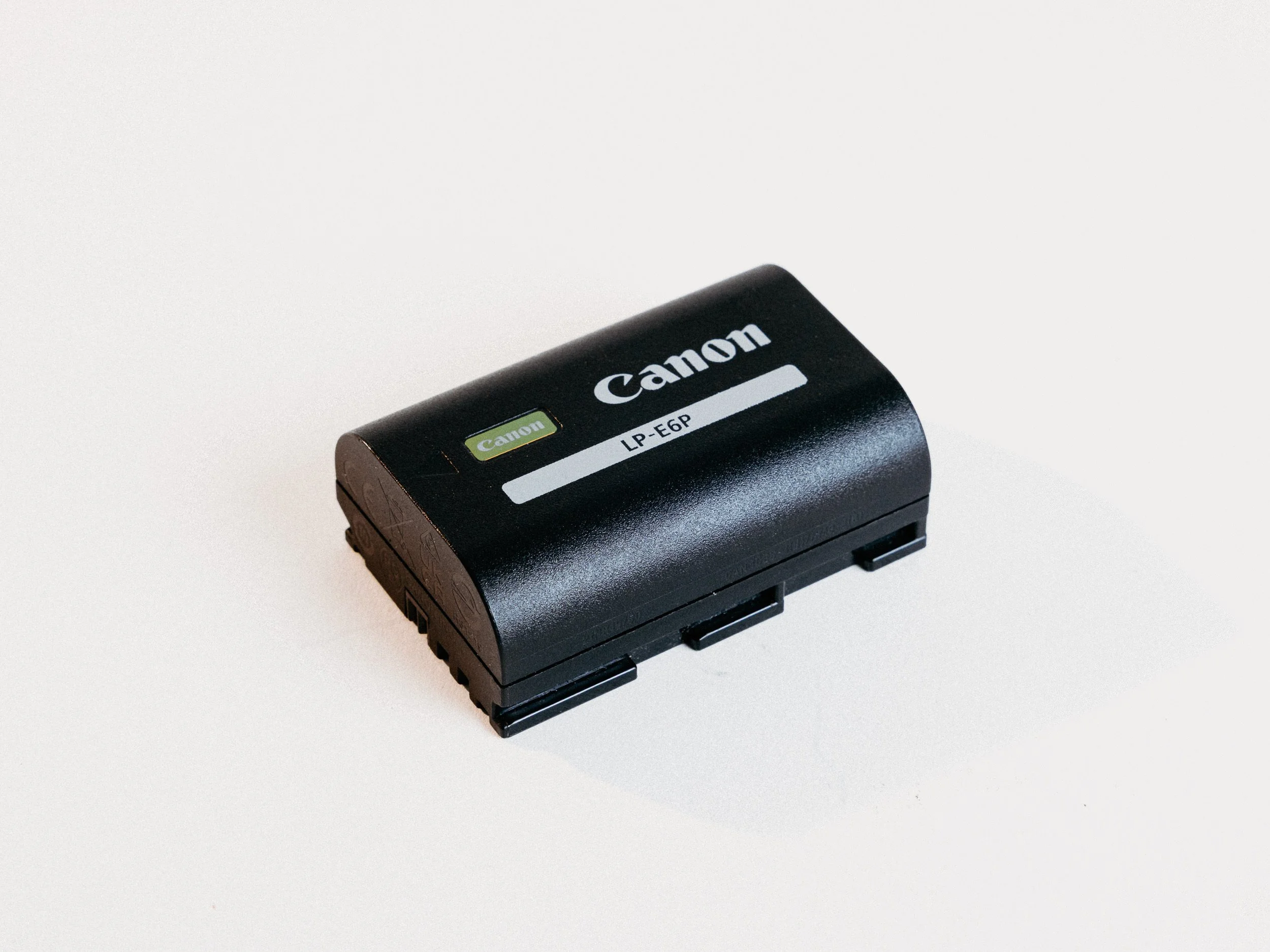
Canon LP-E6P Battery
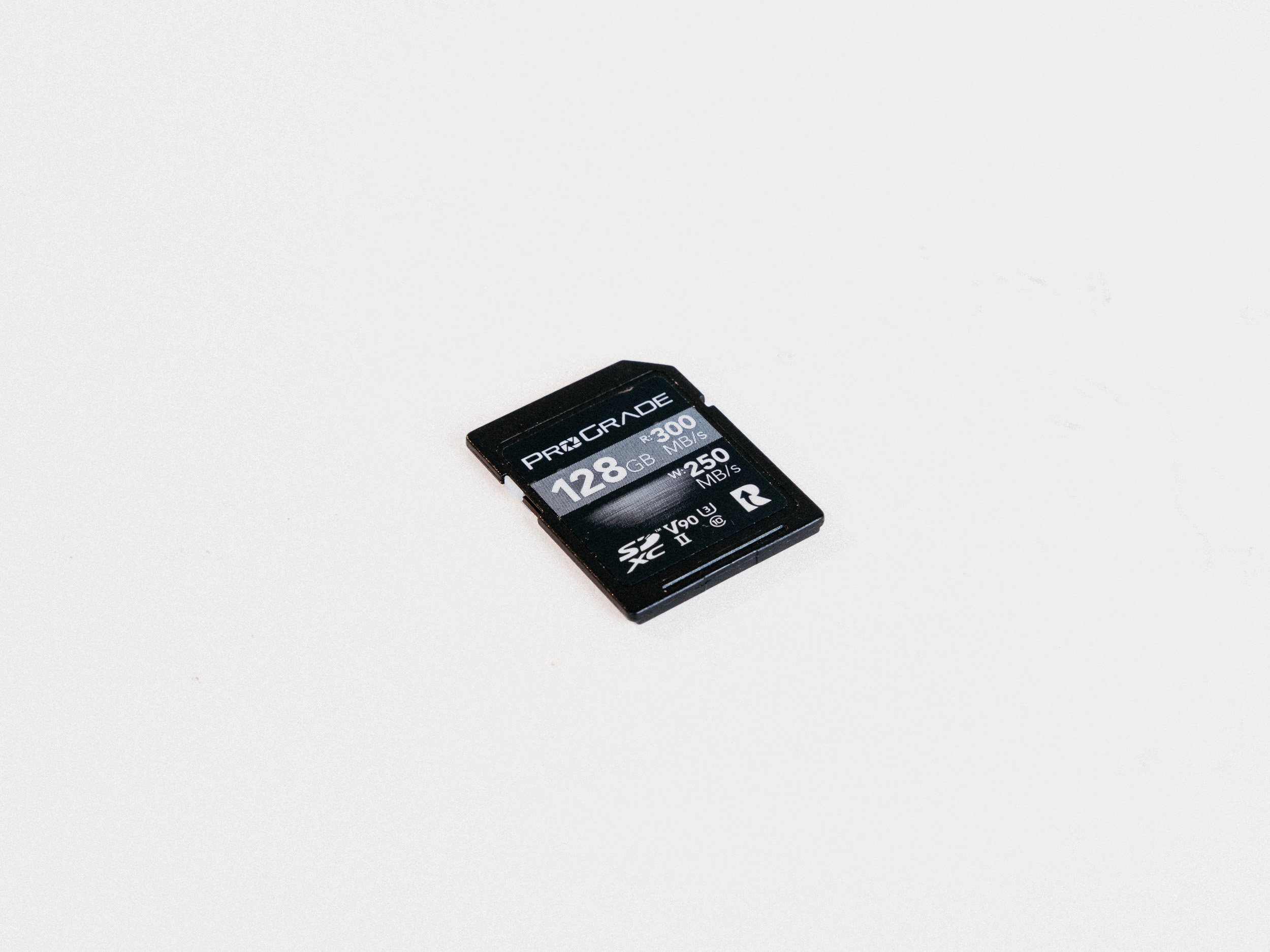
ProGrade Digital SDXC UHS-II V90 Iridium
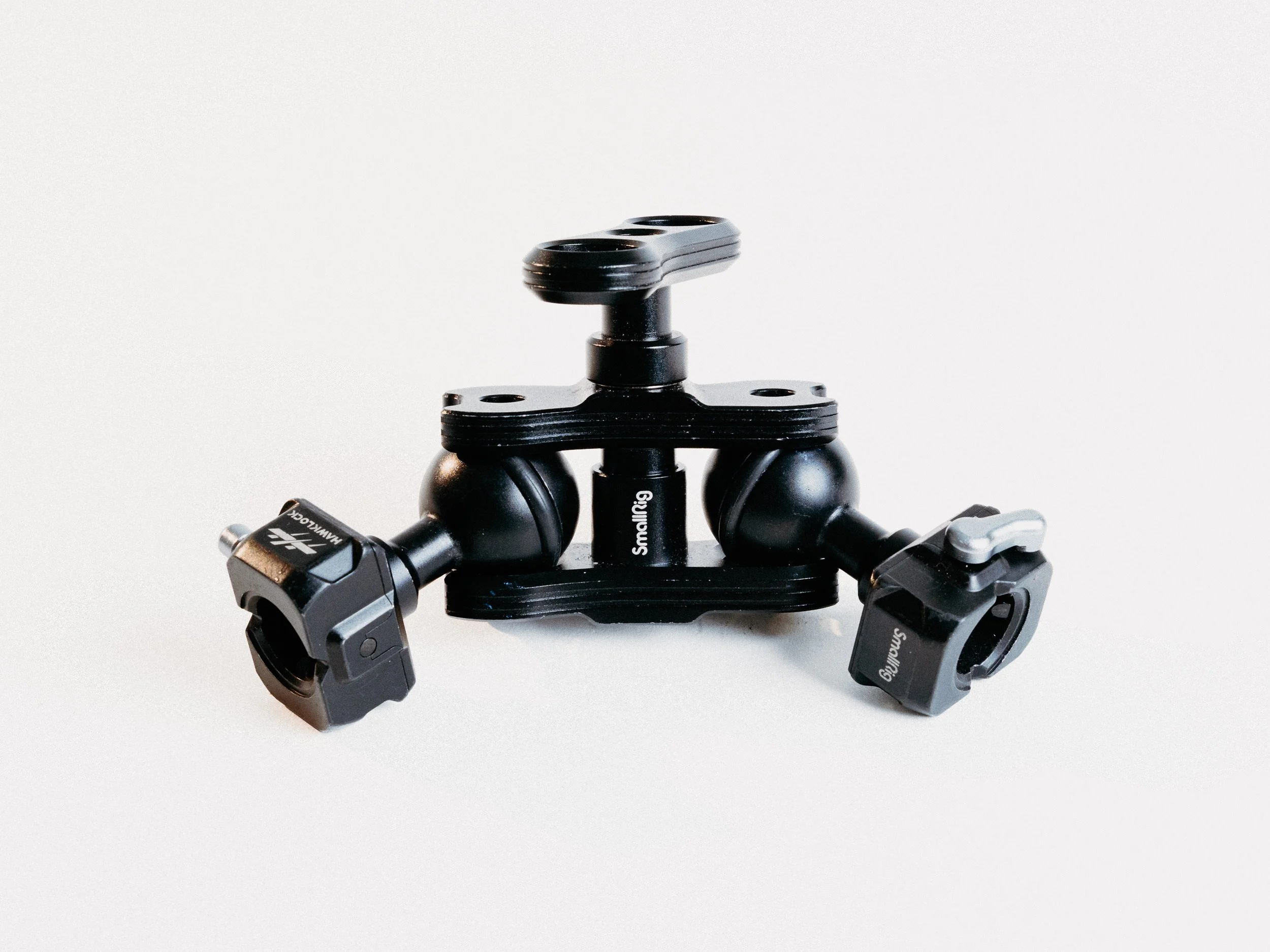
SmallRig HawkLock Ballhead Magic Arm 3515C
Apple USB-C Cable
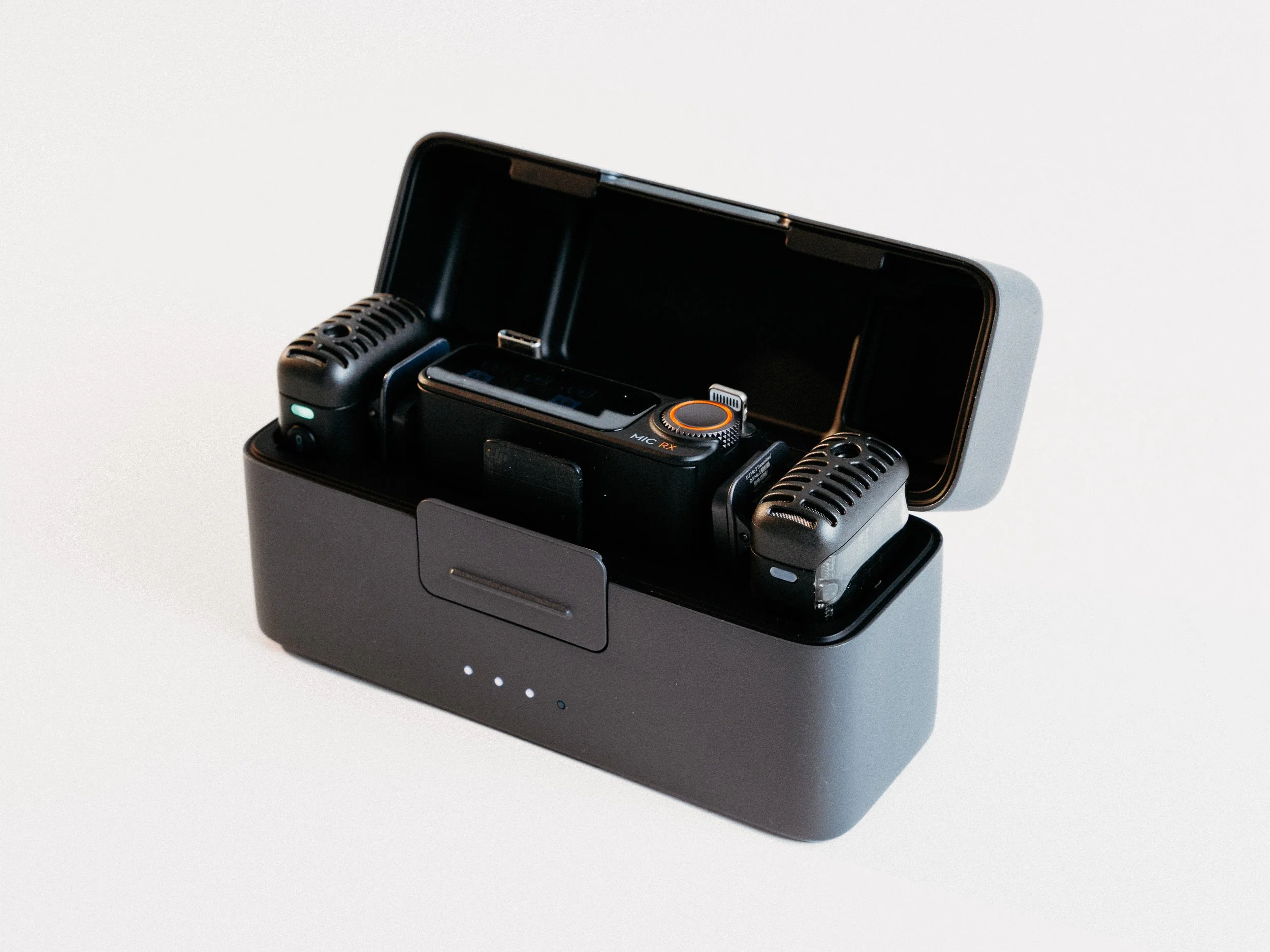
DJI Mic 2
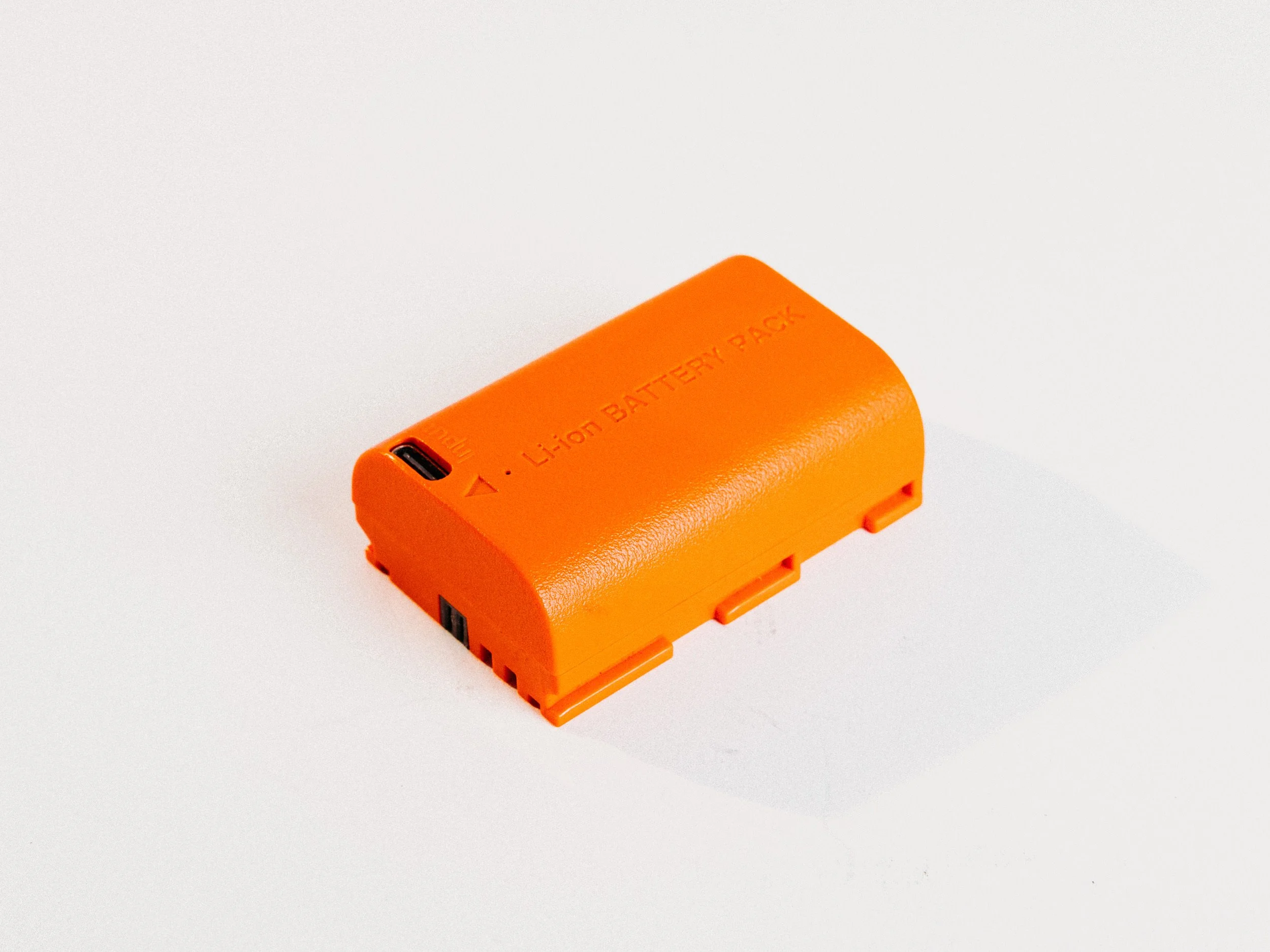
Smallrig LP-E6P Battery (5407)
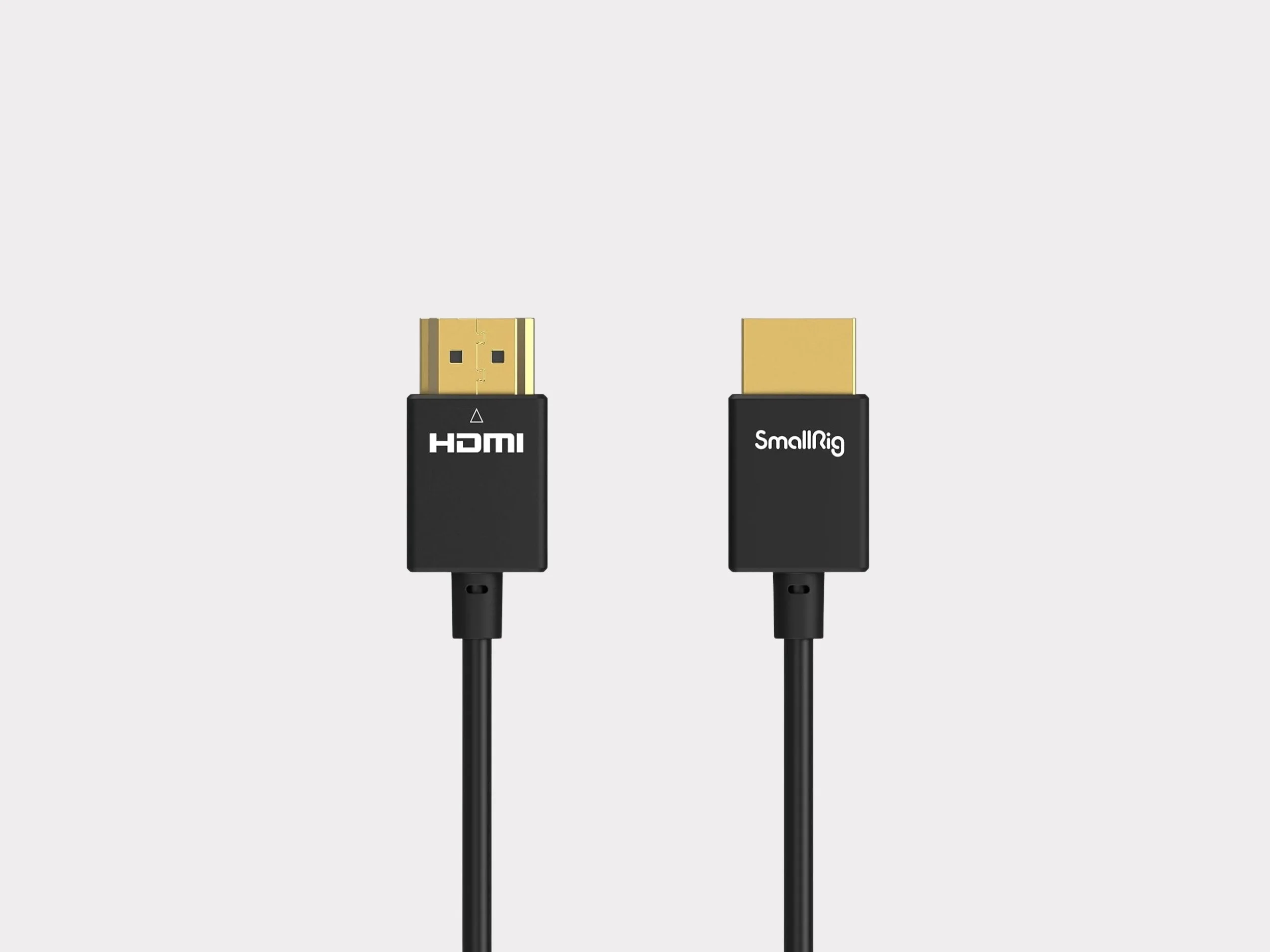
SmallRig Ultra Thin HDMI Cable 55cm/1.8Ft (2957B)