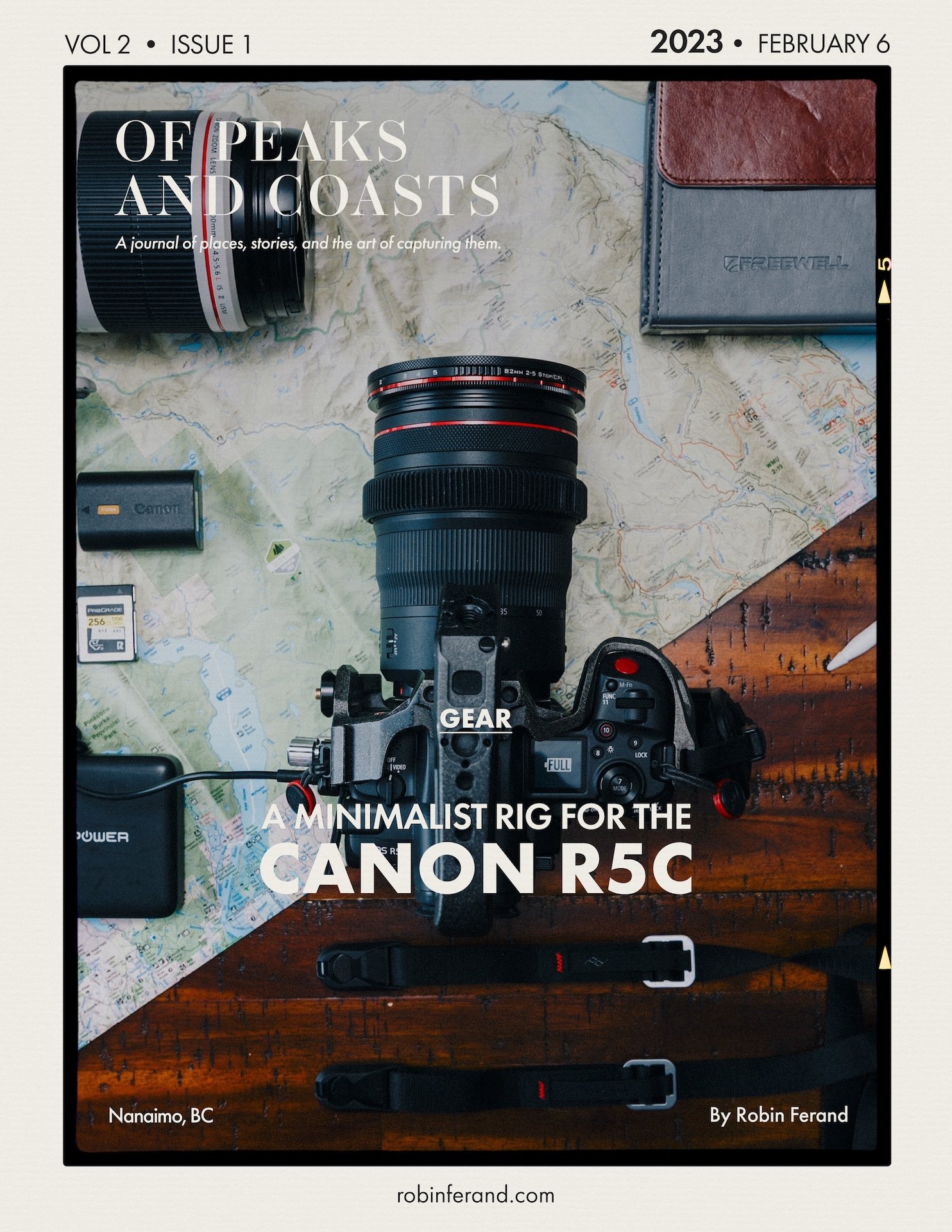
Canon R5C
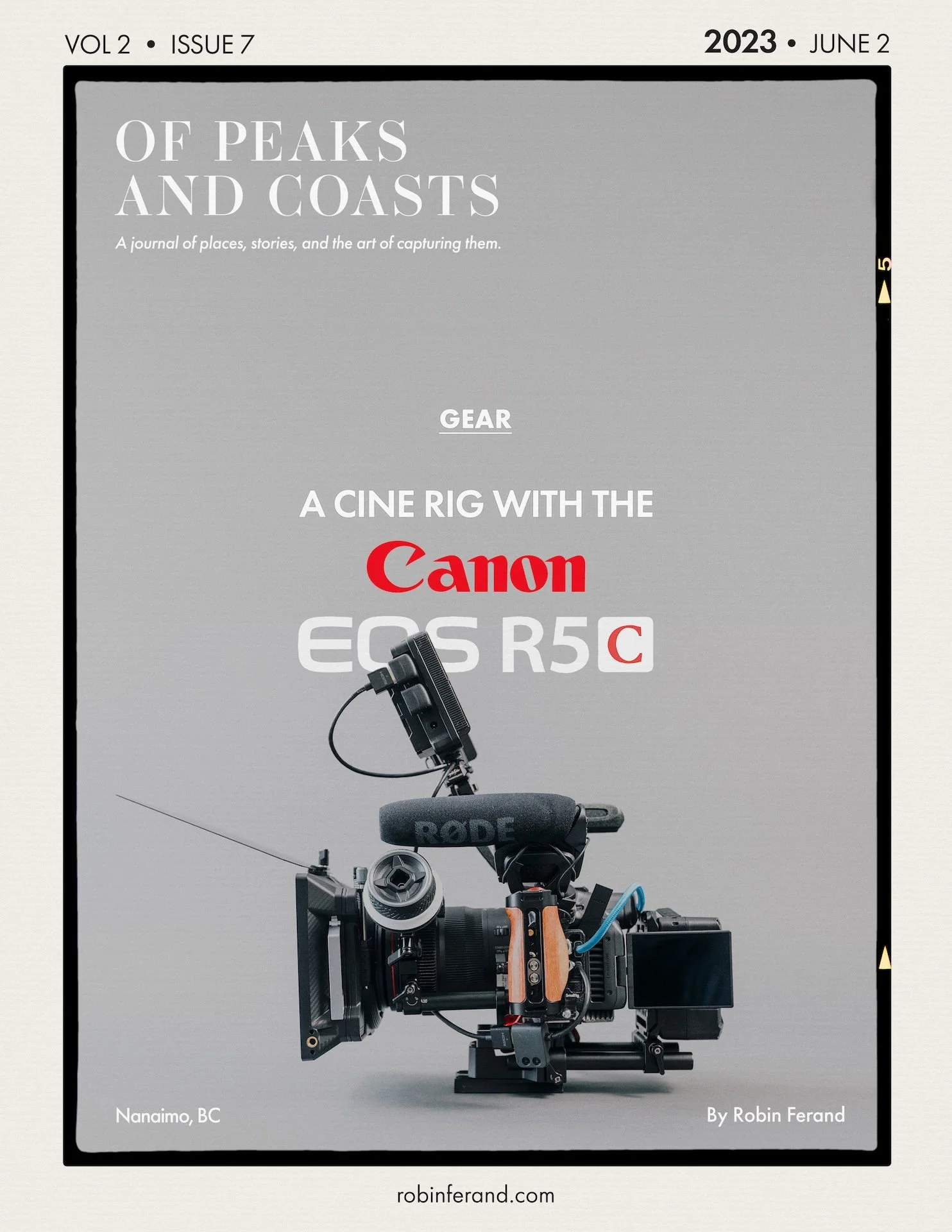
& Cine Rig
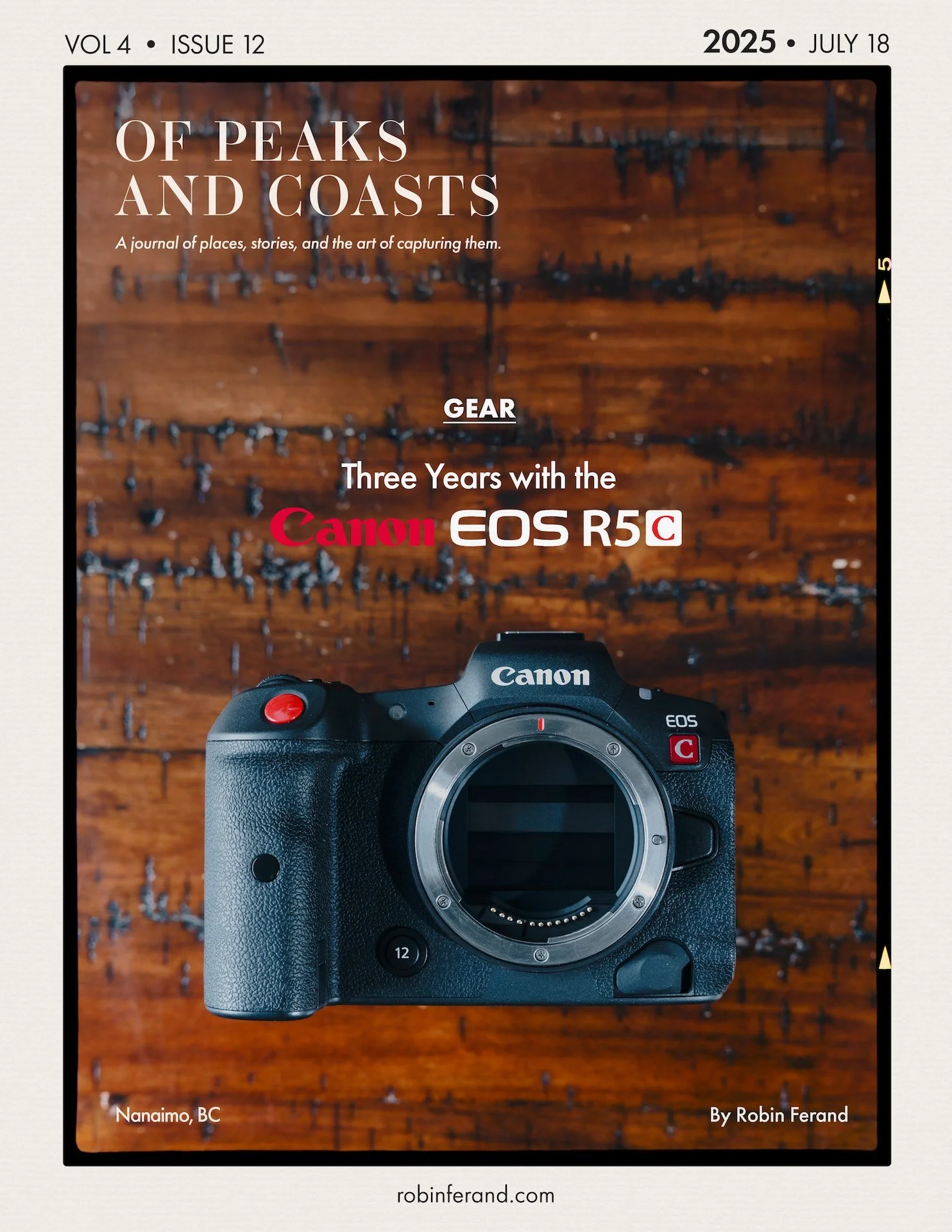
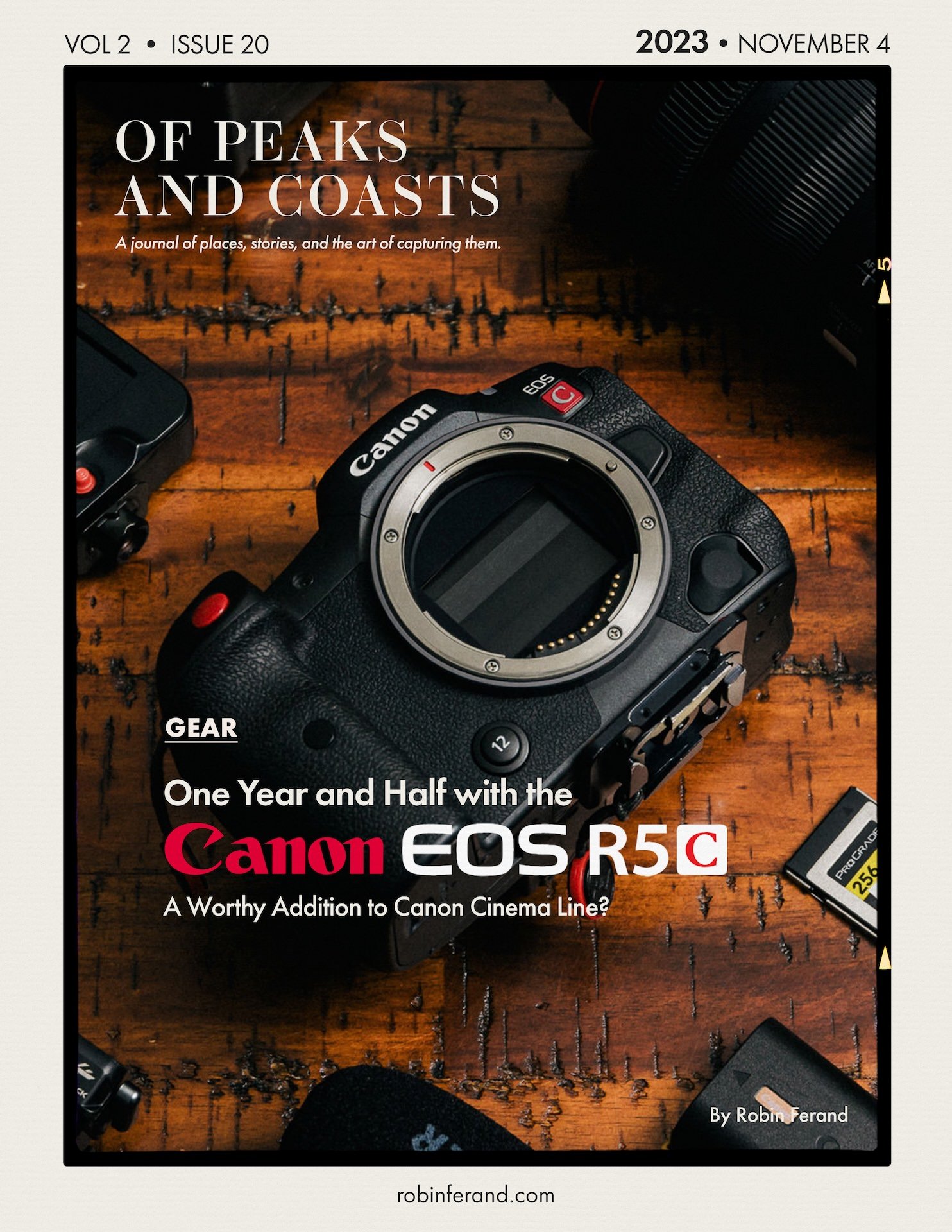
EOS R5 C
-
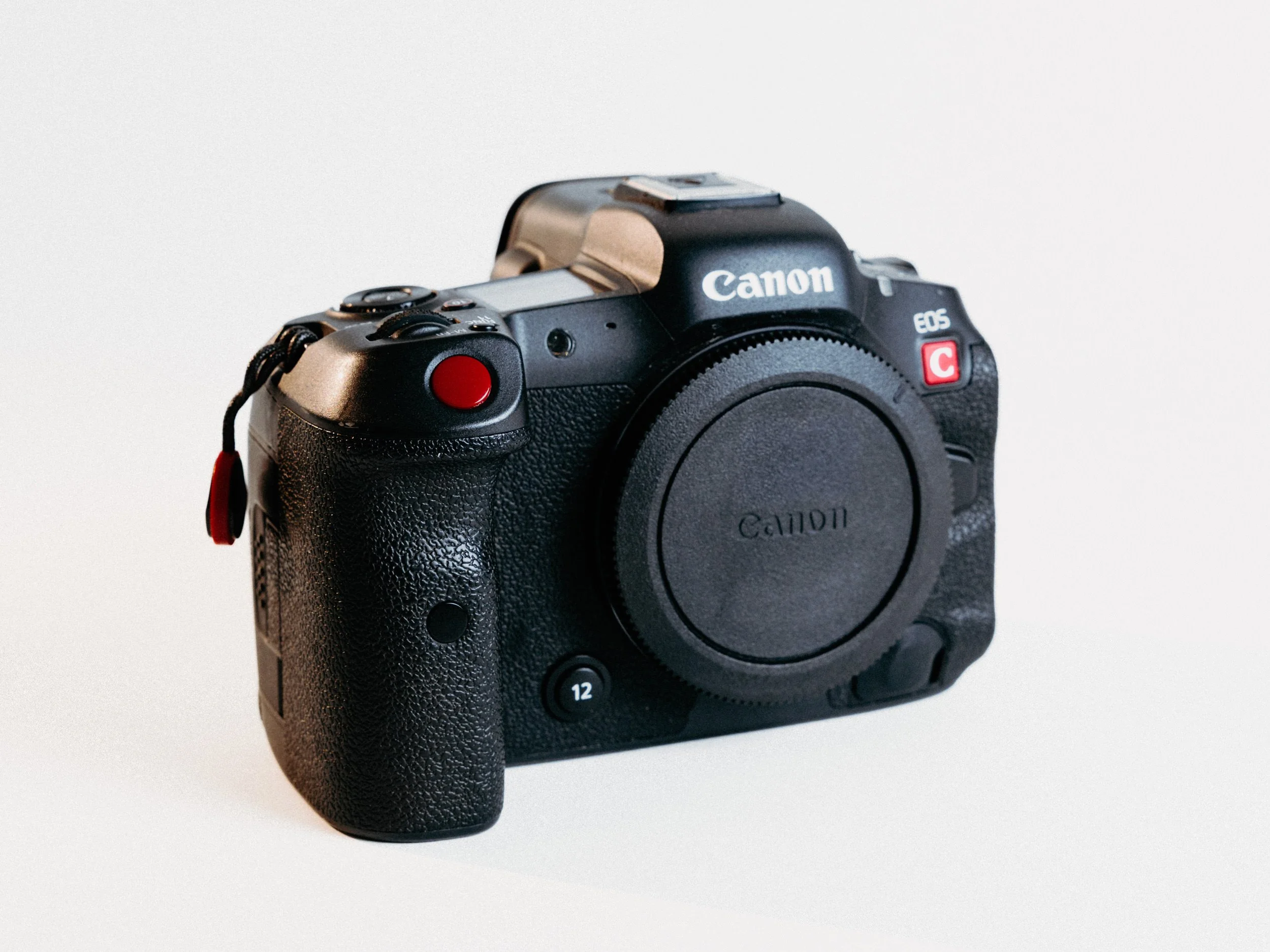
Hybrid Cinema EOS body with separate photo and video operating modes, switched by the dedicated Photo/Video selector.
45MP full-frame CMOS sensor for high-resolution stills, with up to 20 fps electronic shutter and 12 fps mechanical shutter shooting.
Internal 8K video recording, including 12-bit Cinema RAW Light, with 8K/60p available when using supported external power.
Active cooling system designed for long-duration video recording without the thermal limits typical of compact hybrid mirrorless bodies.
Professional video tools and codecs, including Canon Log 3, XF-AVC/MP4 options, waveform monitor, false colour, timecode, and Dual Pixel CMOS AF.
-
The Canon R5C is the Canon 1DC of this decade. It is not perfect, but there is still nothing quite like it. It is a real hybrid camera: a fully capable video camera and a fully capable stills camera, not a half-and-half compromise like many Canon mirrorless bodies in the R5/R6 line. It makes the most sense when video is not just an add-on, but the main job.
What makes the R5C special is that it keeps the strong 45MP still-photo side of the EOS R5, then adds a proper Cinema EOS operating mode, active cooling, internal 8K recording, RAW options, and real monitoring tools that make it far more dependable on production days.
For me, the R5C still has some of the best-looking 4K of any mirrorless camera, especially when downsampled from the 8K sensor to 60p. The 4K 120p is useful — and I love it for wildlife — but it is not as detailed as the 4K 60p. It appears to use pixel binning/subsampling.
The R5C lost market value after the Canon C50 arrived, and the C50 has improved in many ways as a dedicated cinema camera. But it also drops to 7K, has no viewfinder, and does not offer the same real photo mode with a mechanical shutter and 12-bit RAW stills. That is the reason I never upgraded.
Pros:
45MP full-frame files give excellent still-photo resolution and strong cropping flexibility.
4K downsampled from the 8K sensor up to 60p delivers a beautiful, detailed image yet not oversharpened.
Active cooling removes the biggest practical weakness of many compact hybrid bodies: overheating anxiety.
4K 120p is great for wildlife and slow motion, even if it is softer than 4K 60p.
Cinema tools like waveform, false colour, timecode, Canon Log 3, and Super 35 crop make it easier to expose and manage footage professionally.
Cons:
No in-body image stabilization. I do not miss it much in video mode, but I do miss it for photo.
Battery life is limited, especially for video, though it improved over time and is better with newer LP-E6P batteries.
The body is bulkier than a standard mirrorless camera and not as ergonomic as other Canon mirrorless bodies.
Canon never brought fully supported C-Log 2.
It is less casual than an R6-style hybrid body for quick everyday shooting.
-
Get it if video quality, long recording reliability, and Cinema EOS tools matter more than minimal body size.
Get it if you want one body that can shoot high-resolution stills and serious client-ready video.
Get it if overheating limits, codec limitations, or missing monitoring tools slow down your current hybrid camera.
Pass if you mainly shoot handheld stills and want IBIS, smaller files, and a simpler camera.
Pass if you do not need 8K, RAW, or cinema workflows; an R6-series body may be more efficient.
Pass if you only need a video camera; the C50 is much better adapted to that role.
Discover past reviews
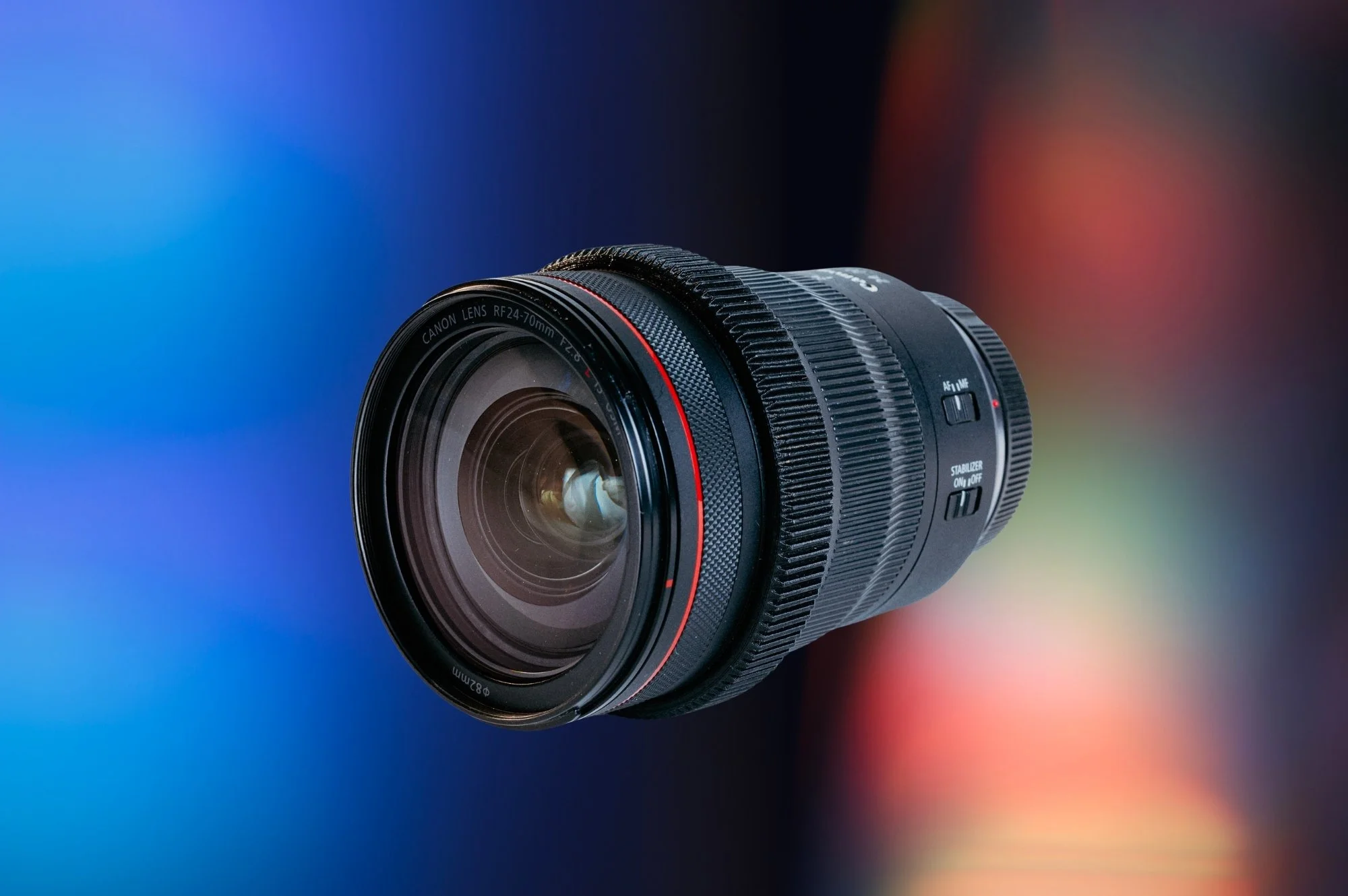
ESSENTIAL LENSES
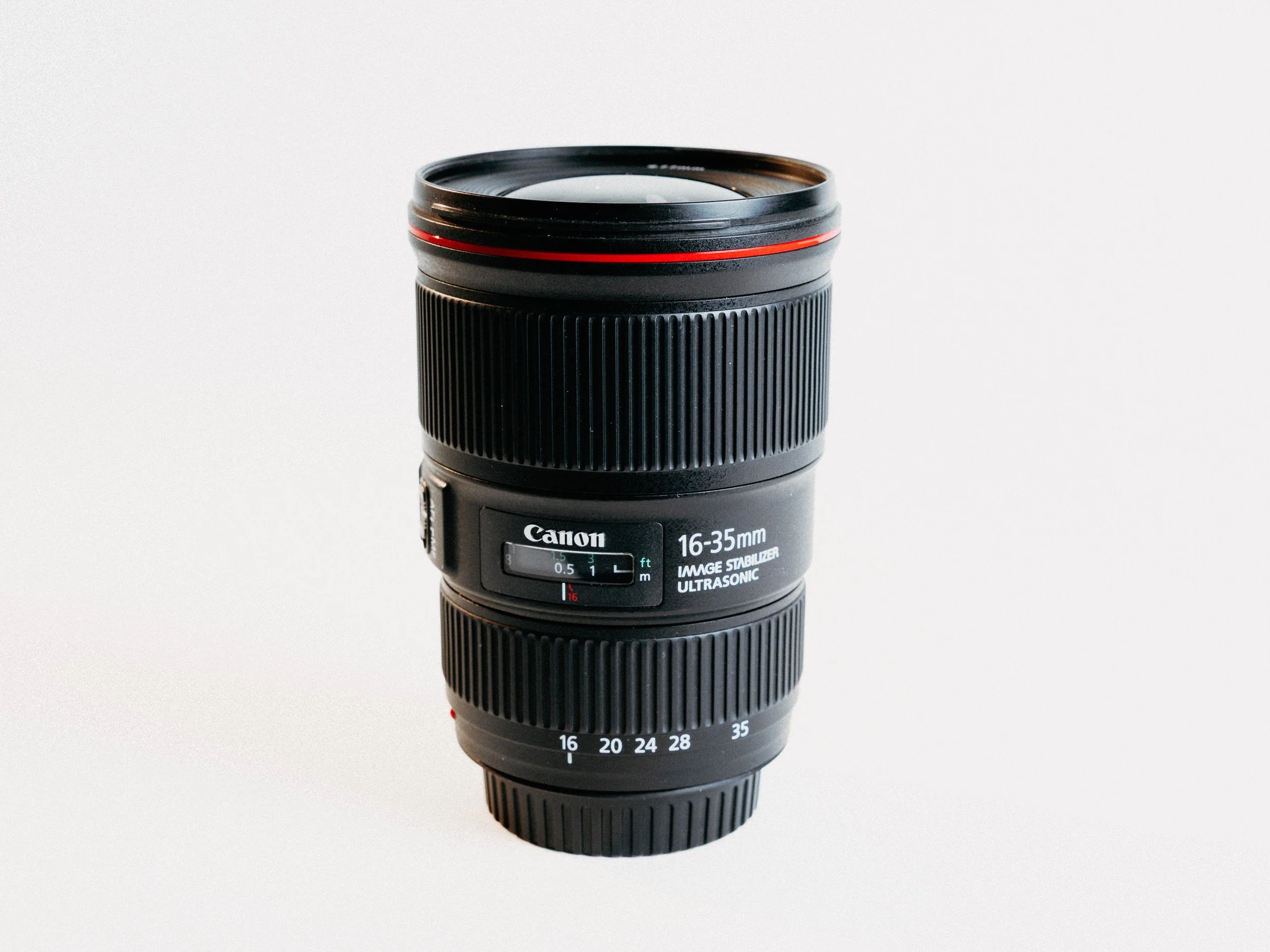
Canon EF 16-35mm f/4 IS L
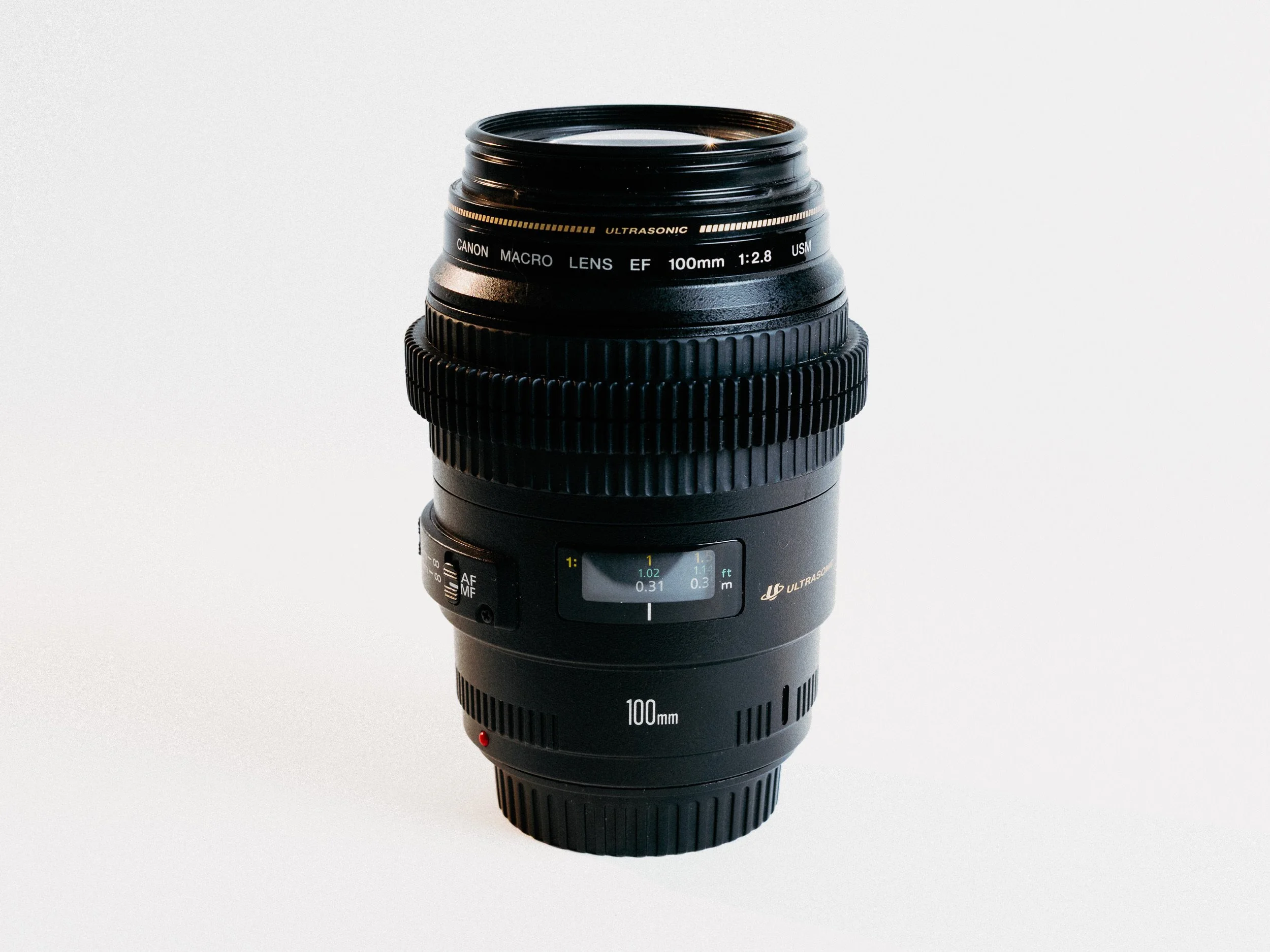
Canon EF Macro 100mm f/2.8 USM
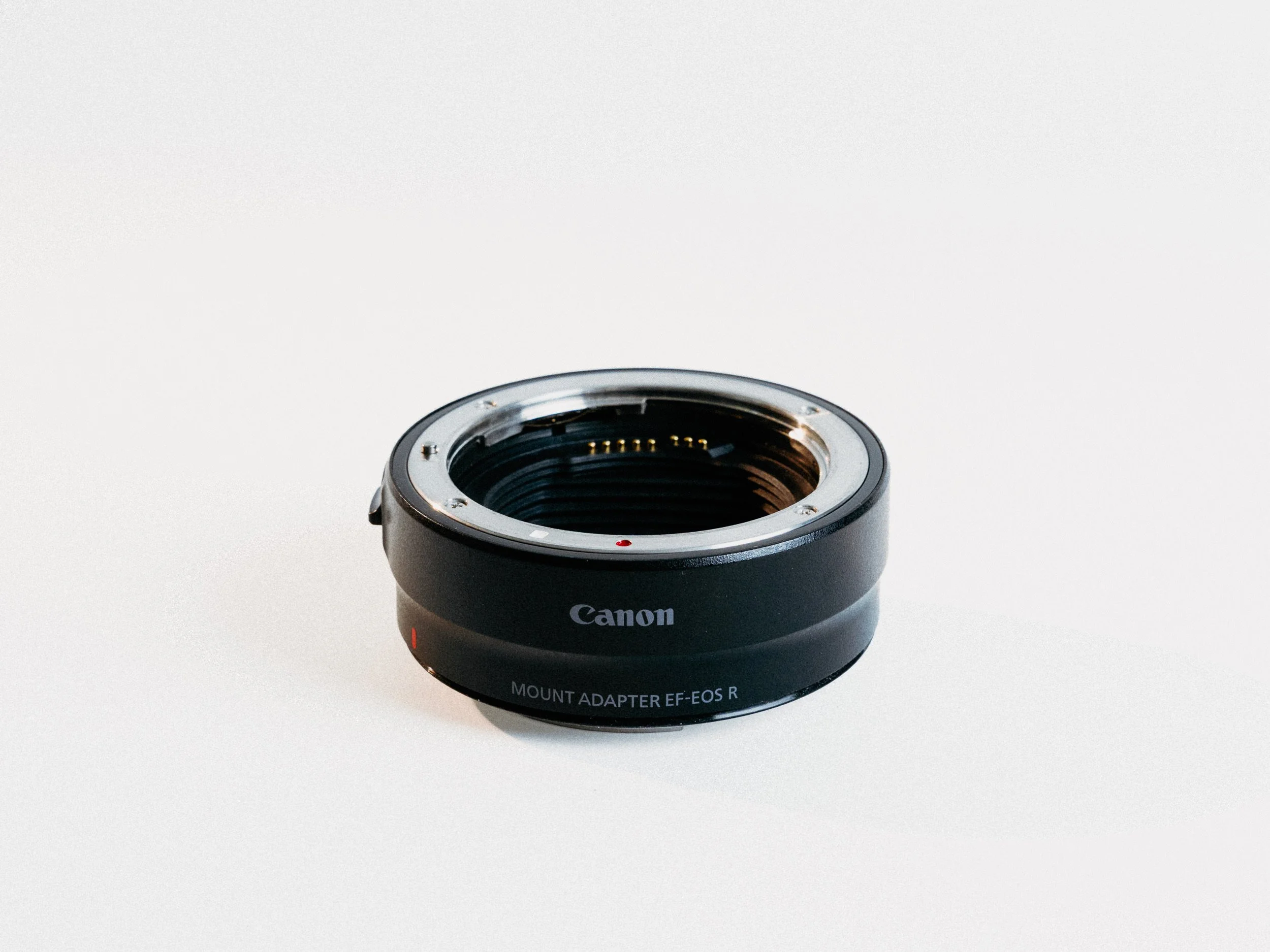
Canon EF to RF Lens Adapter
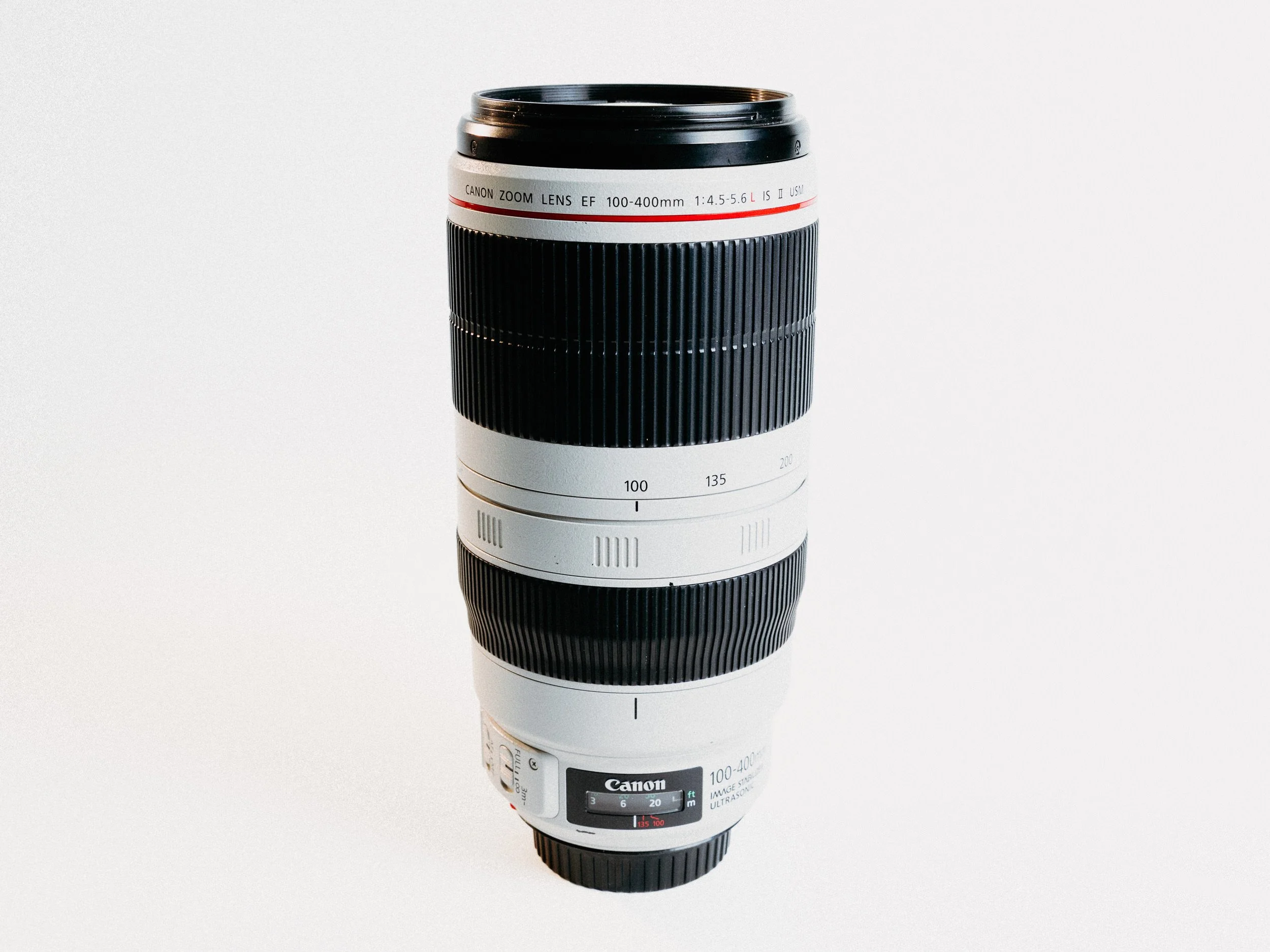
Canon EF 100-400mm f/4.5-5.6 IS L II
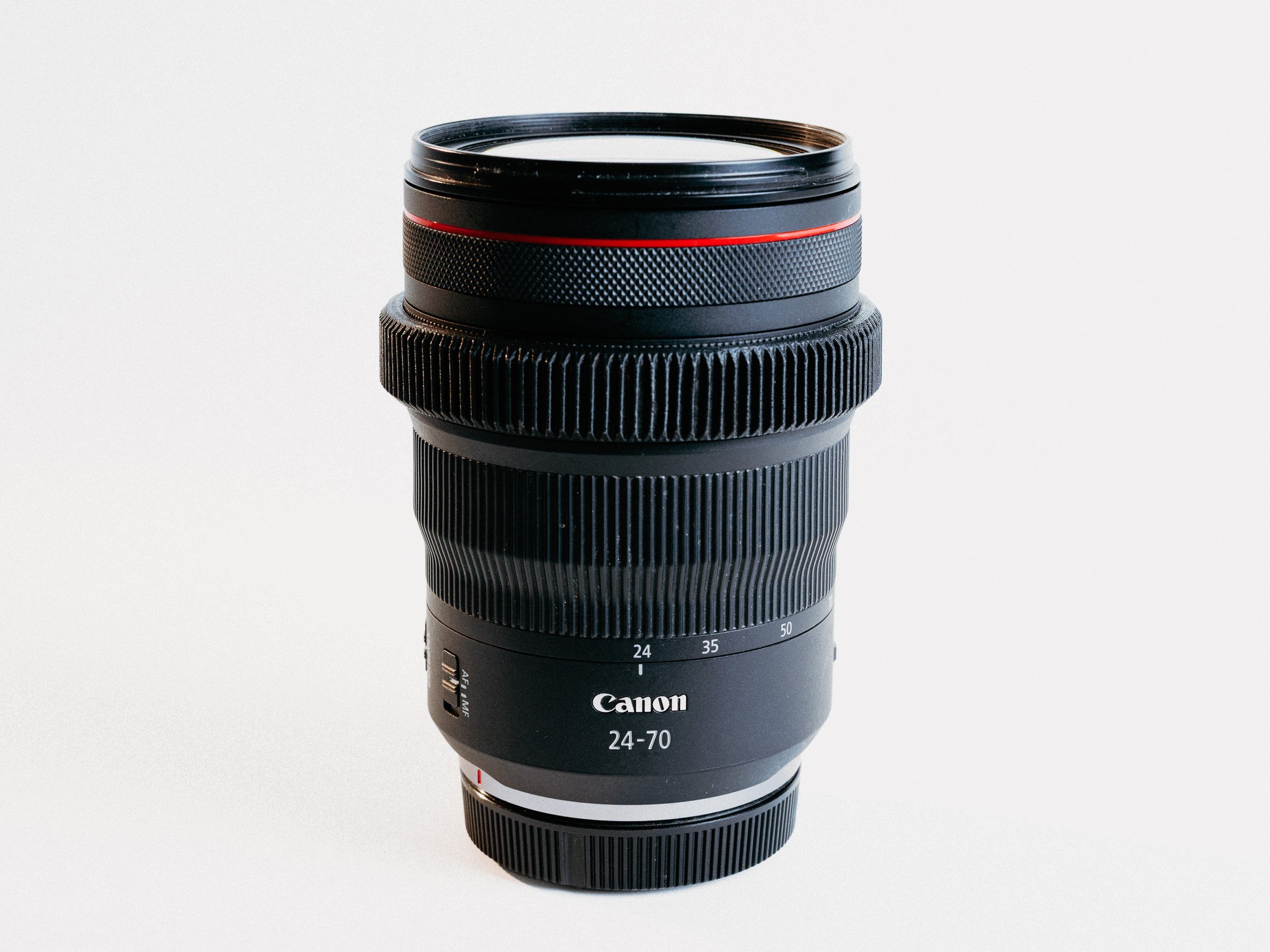
Canon RF 24-70 f/2.8 IS L
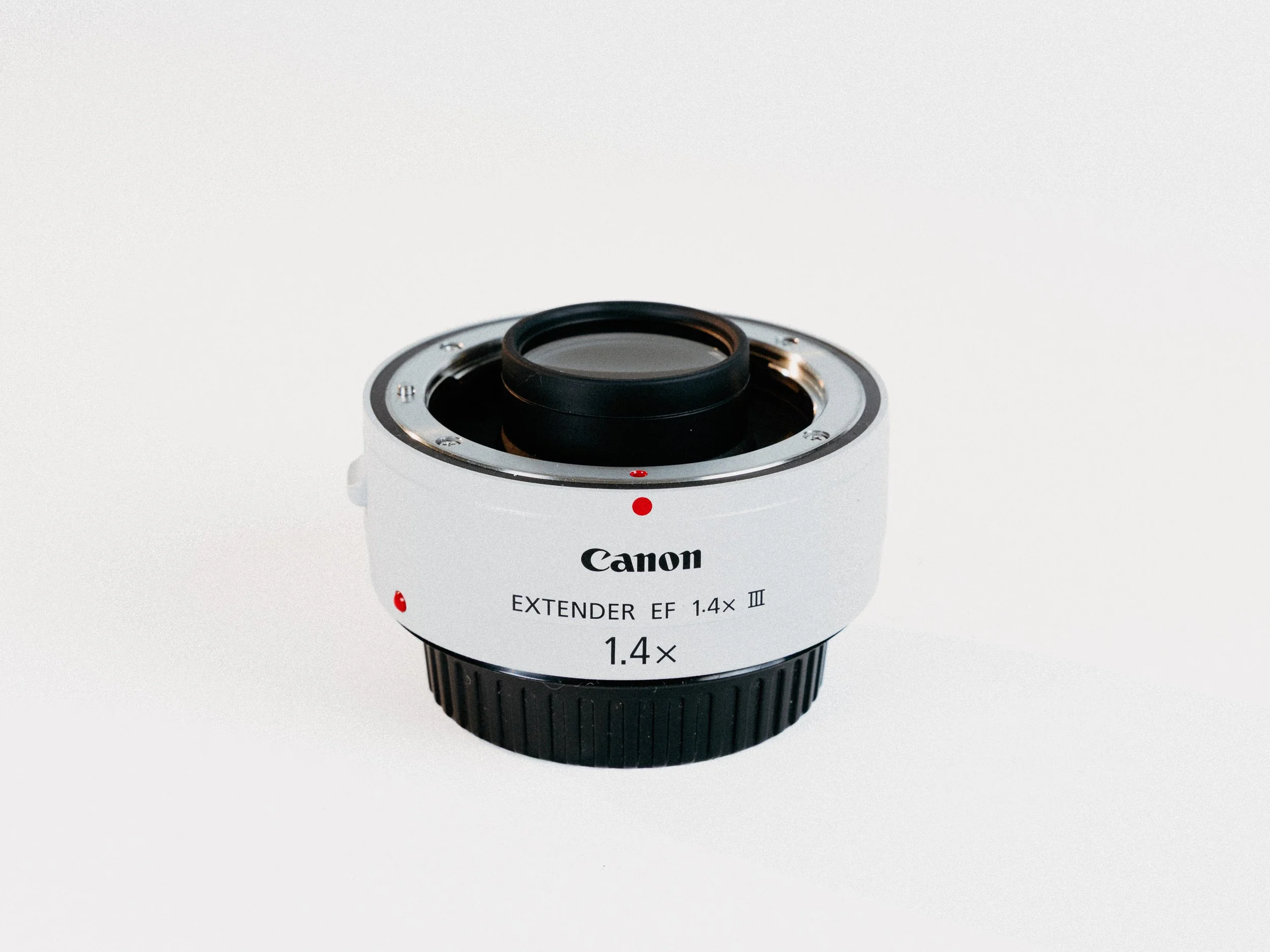
Canon EF Extender 1.4x III
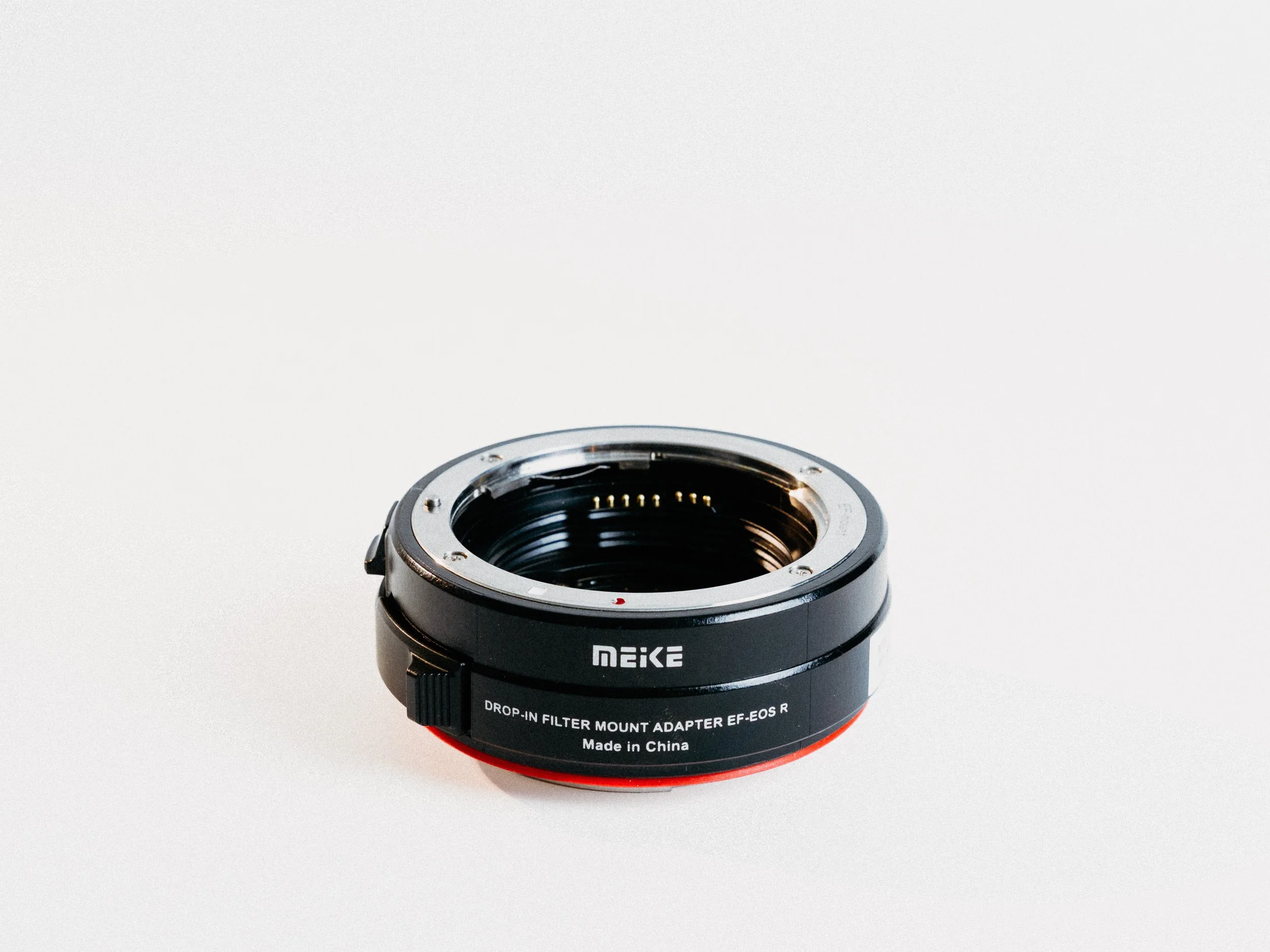
Meike EF to RF Lens Adapter with Drop-in VND Filter
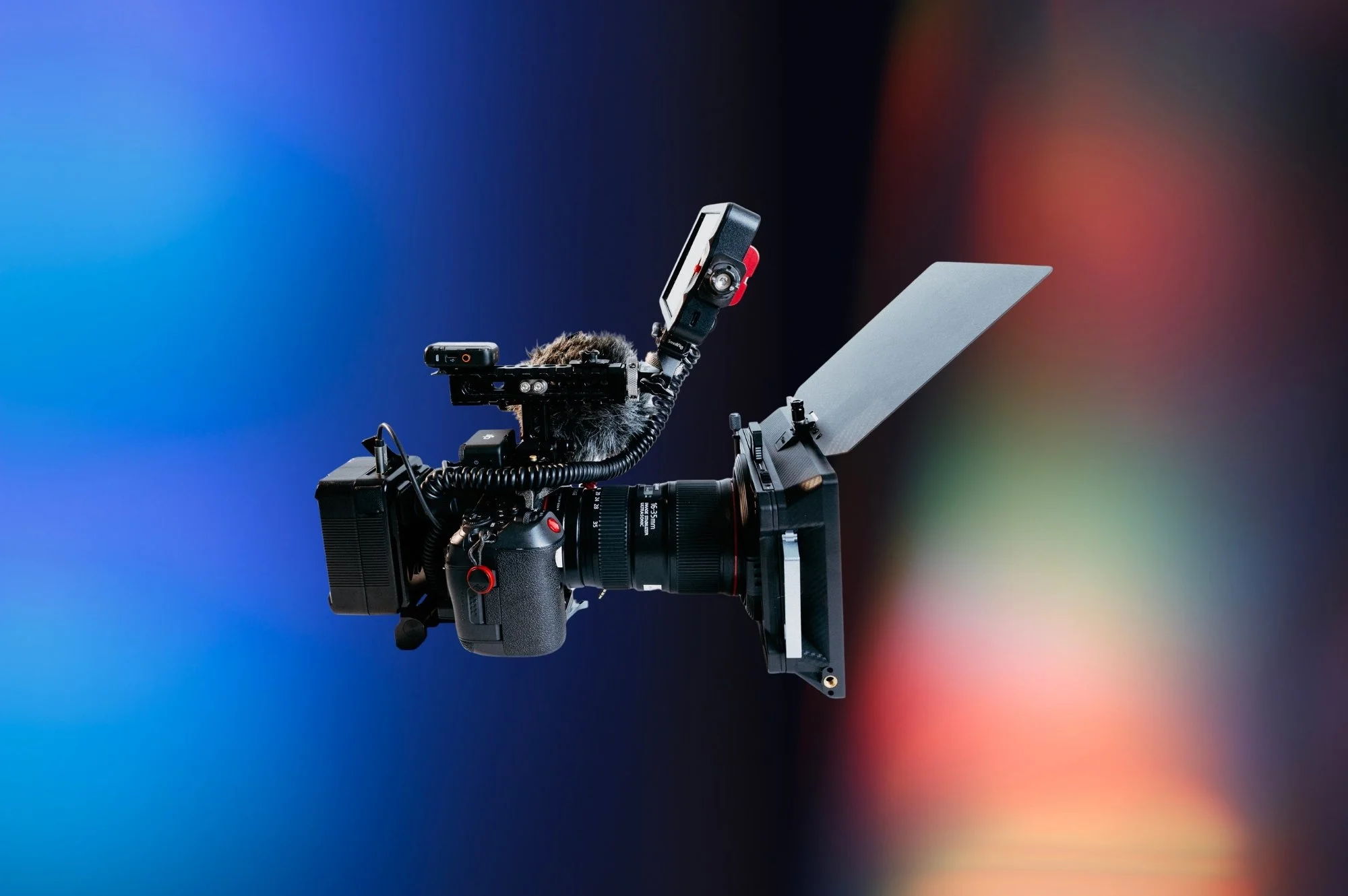
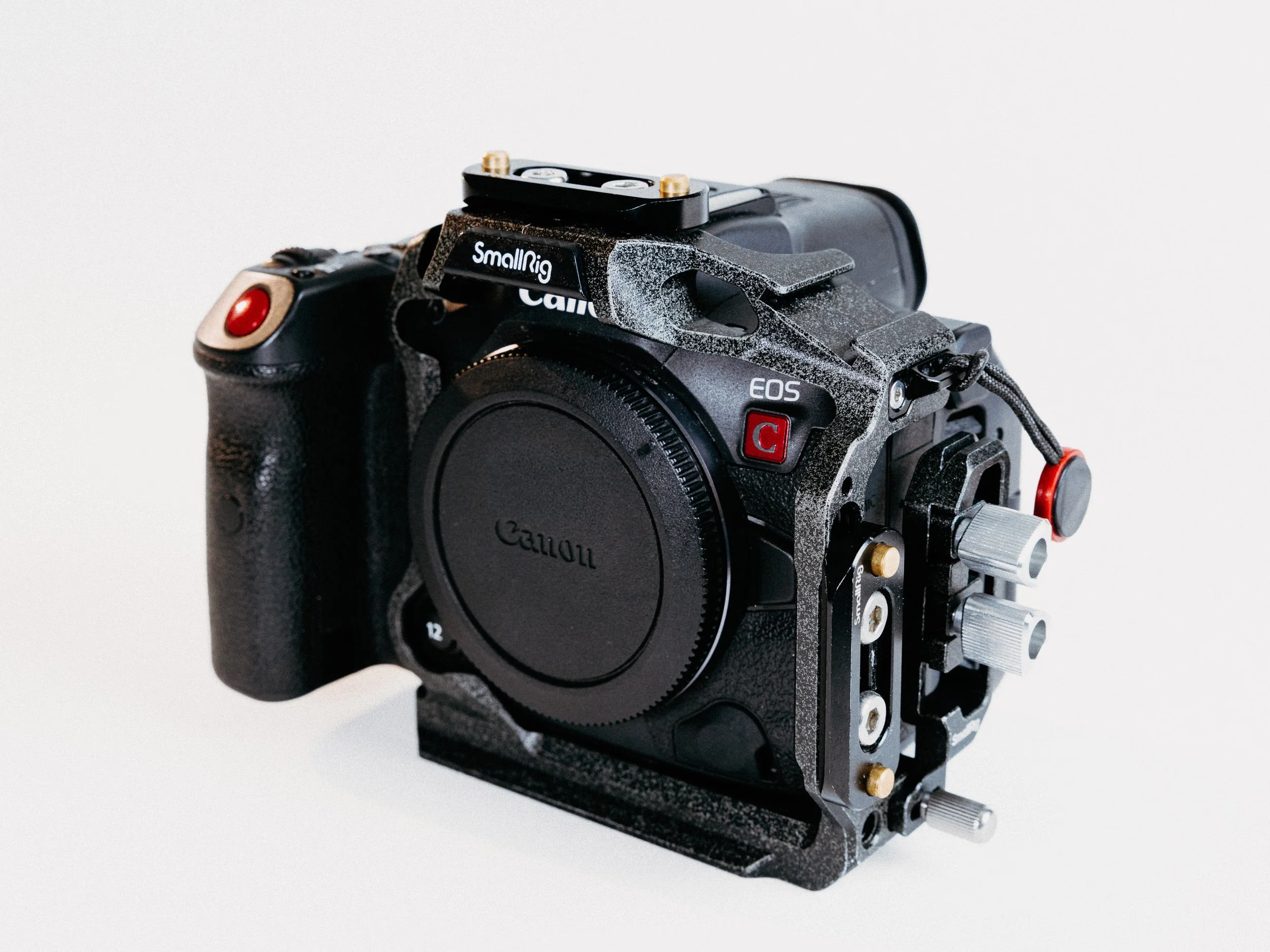
CINE RIG ACCESSORIES
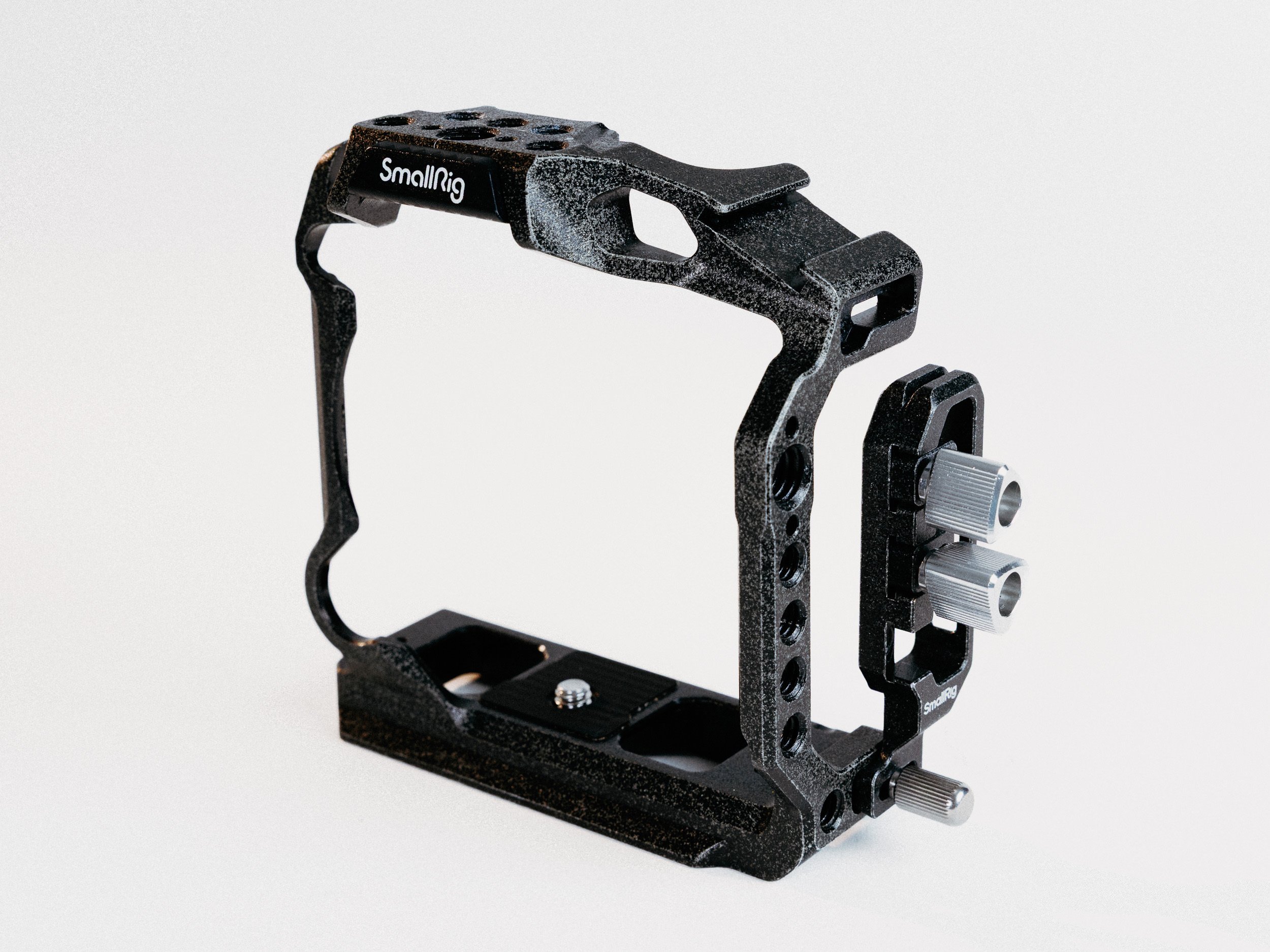
SmallRig Half-Cage (3656)
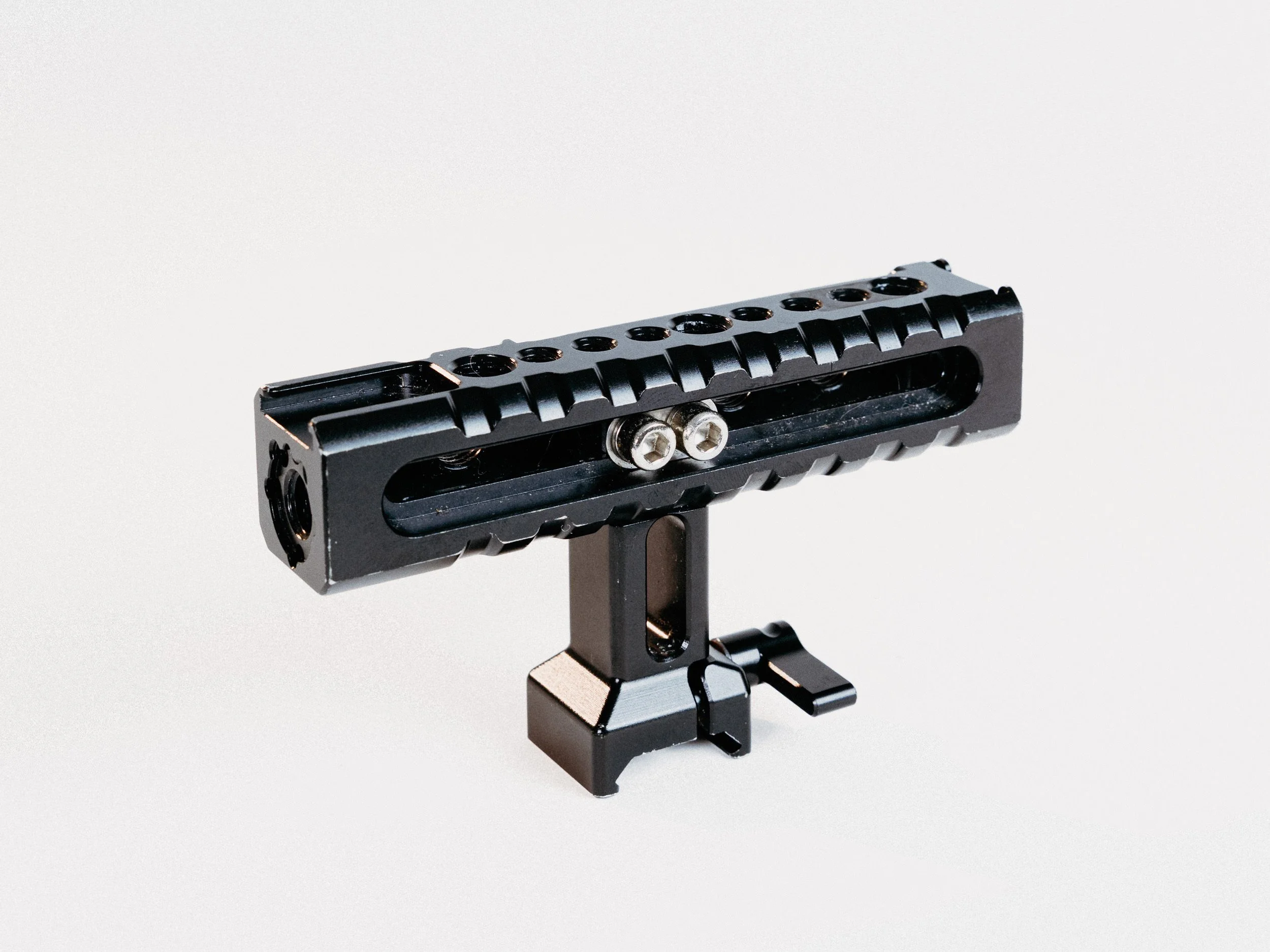
SmallRig Top Handle (1955)
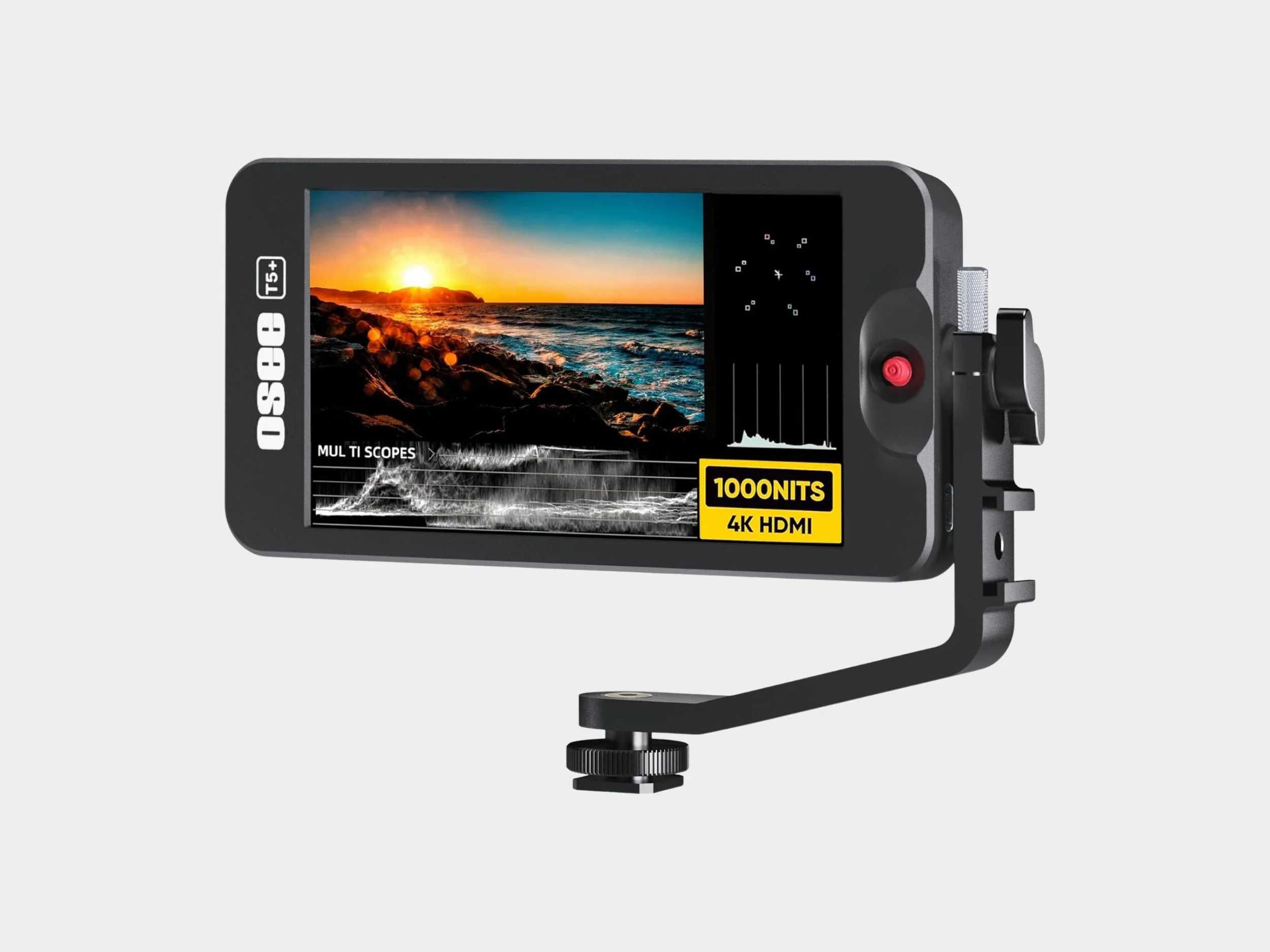
Osee T5+ 5.5” Monitor 1000nits
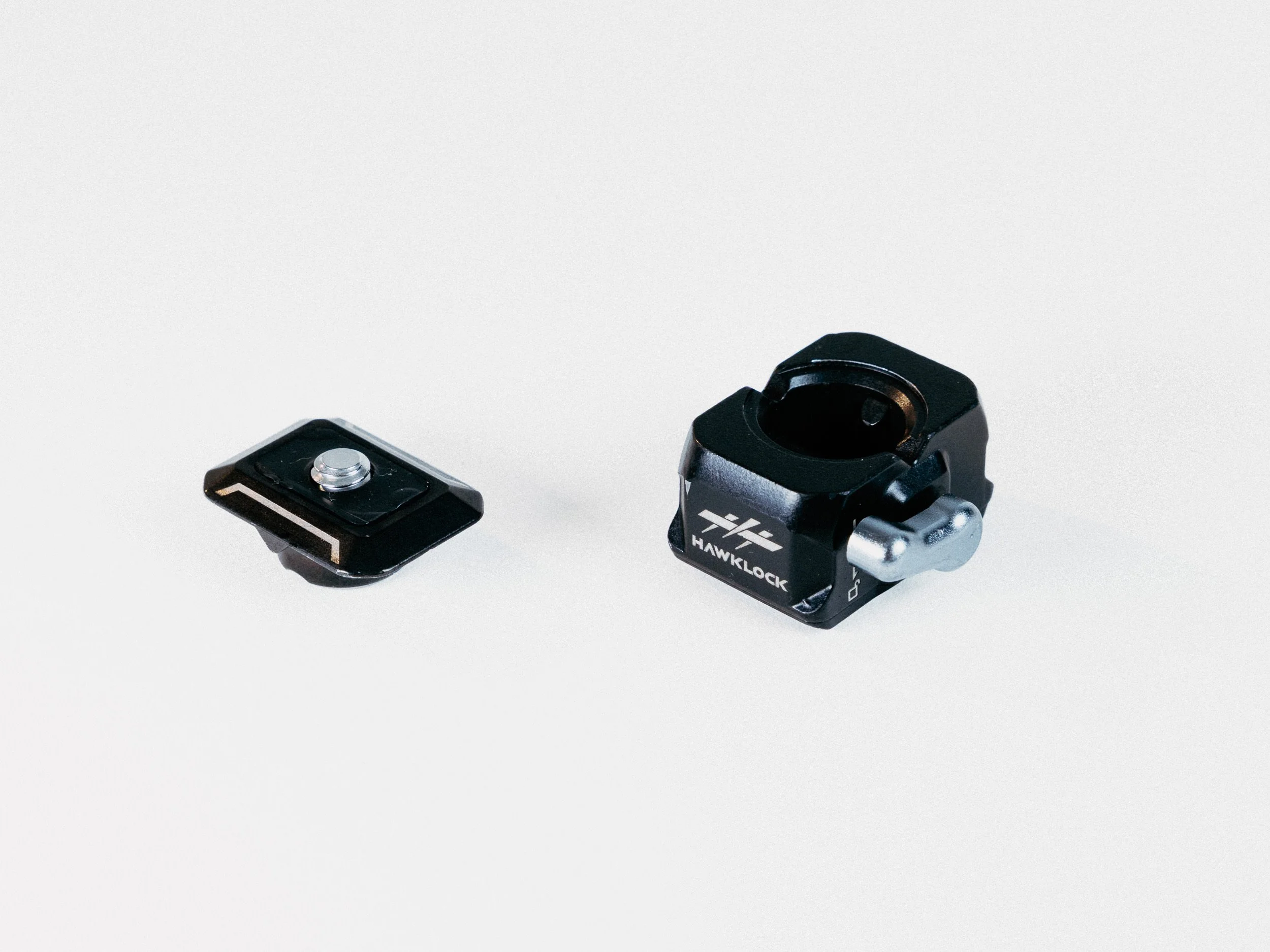
SmallRig Hawklock System 3513C
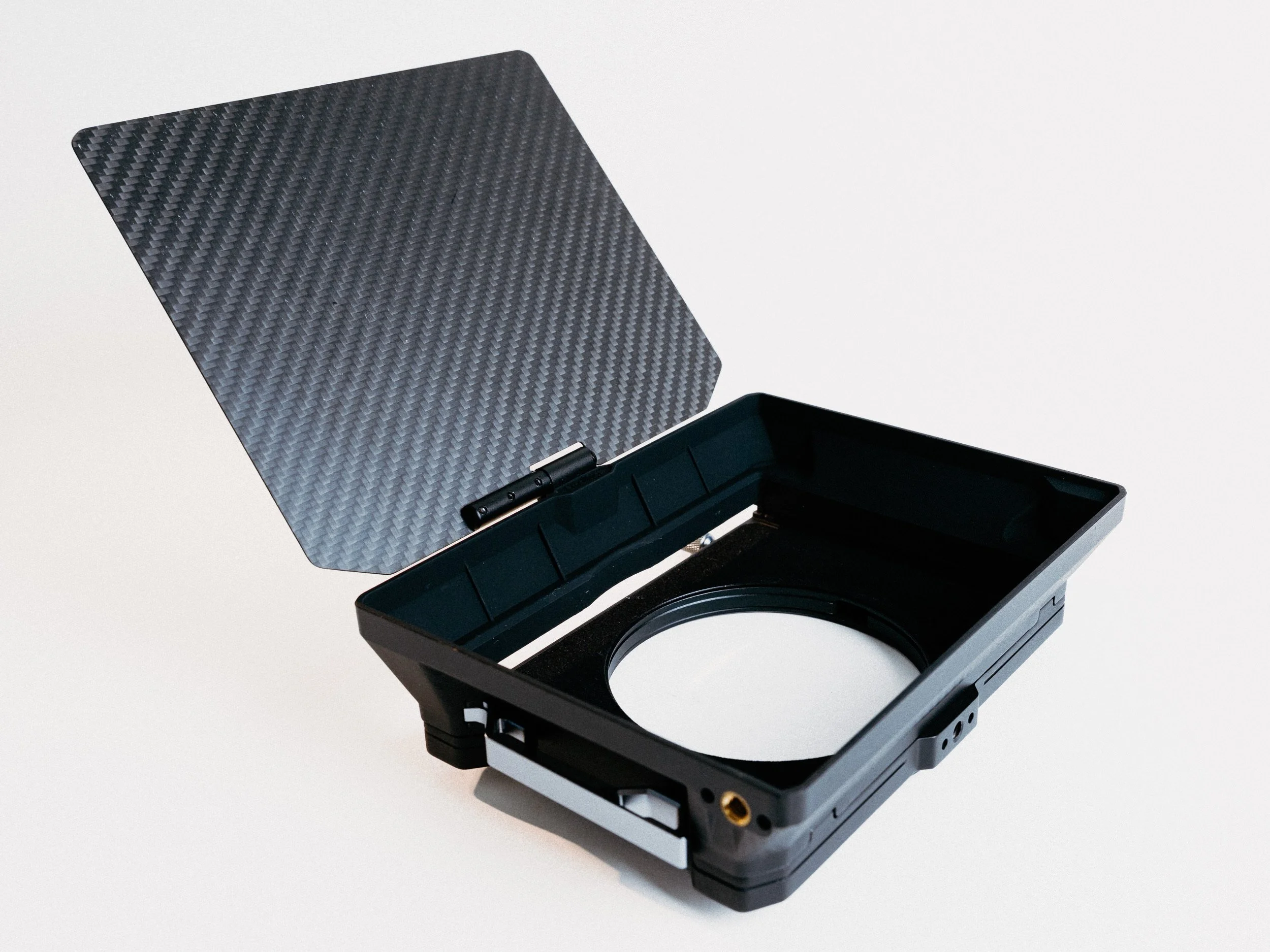
SmallRig Startrail Mattebox with VND Kit
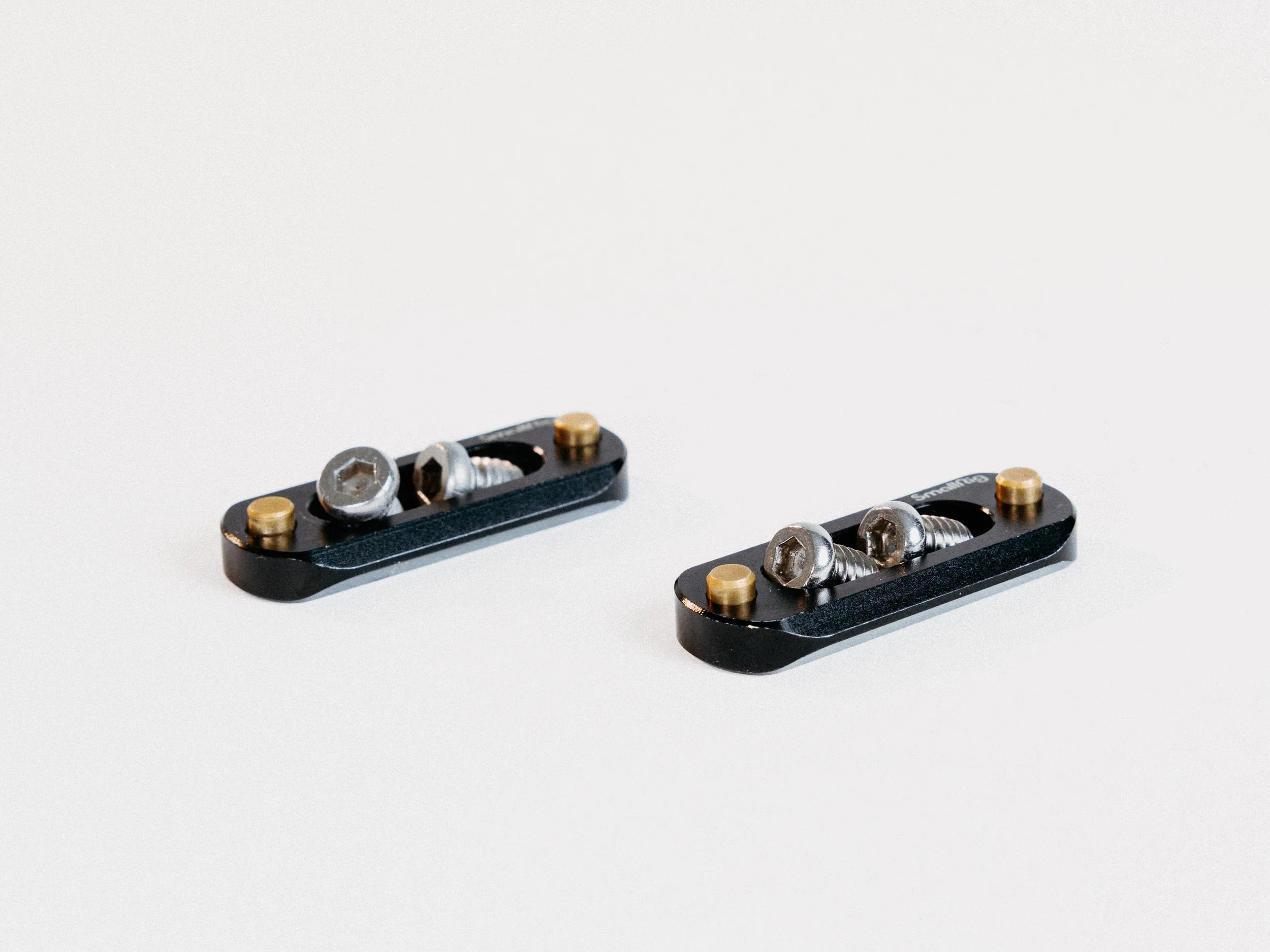
SmallRig Mini Quick Release Nato Rail (2172)
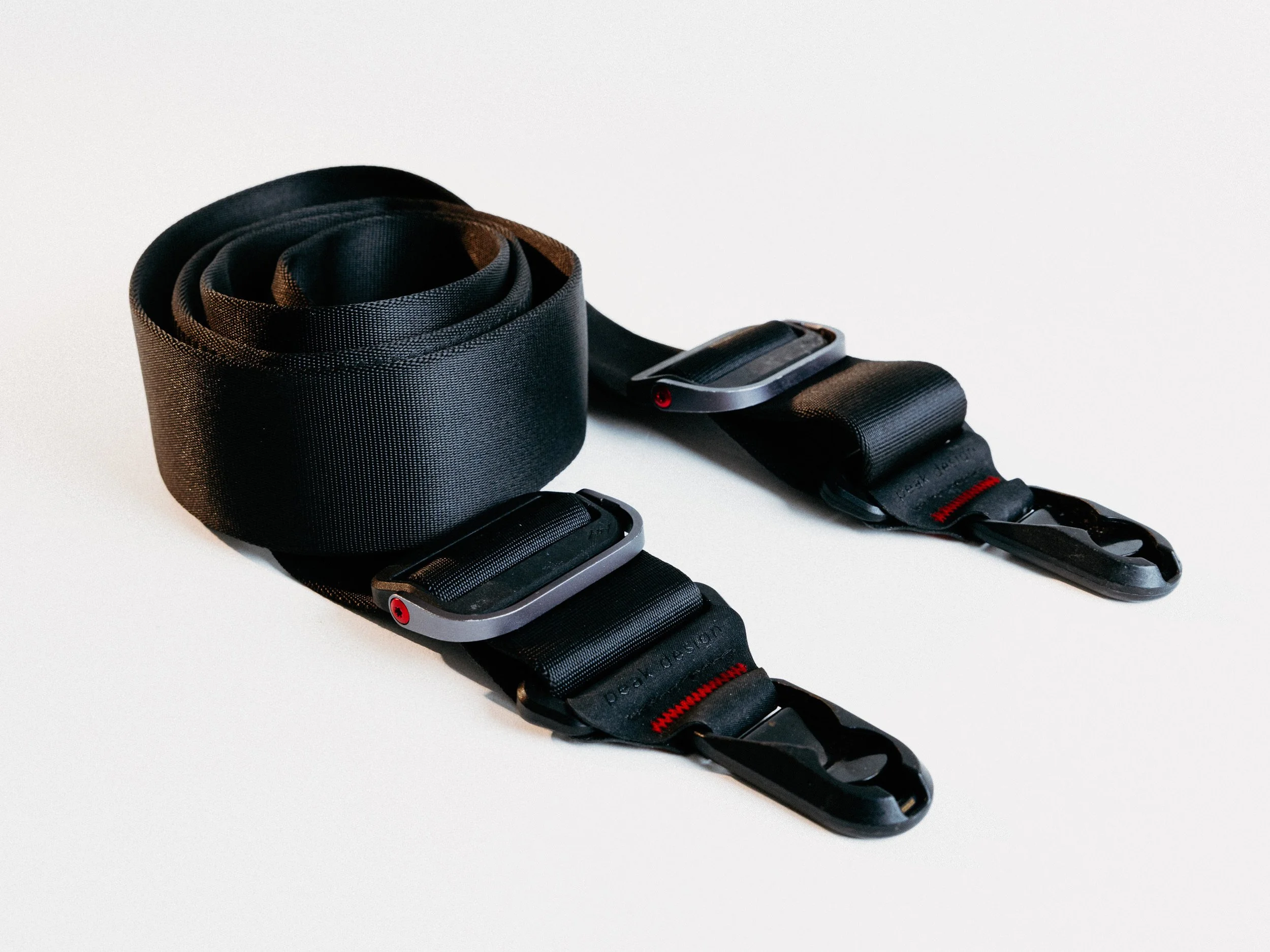
PeakDesign Slide Straps
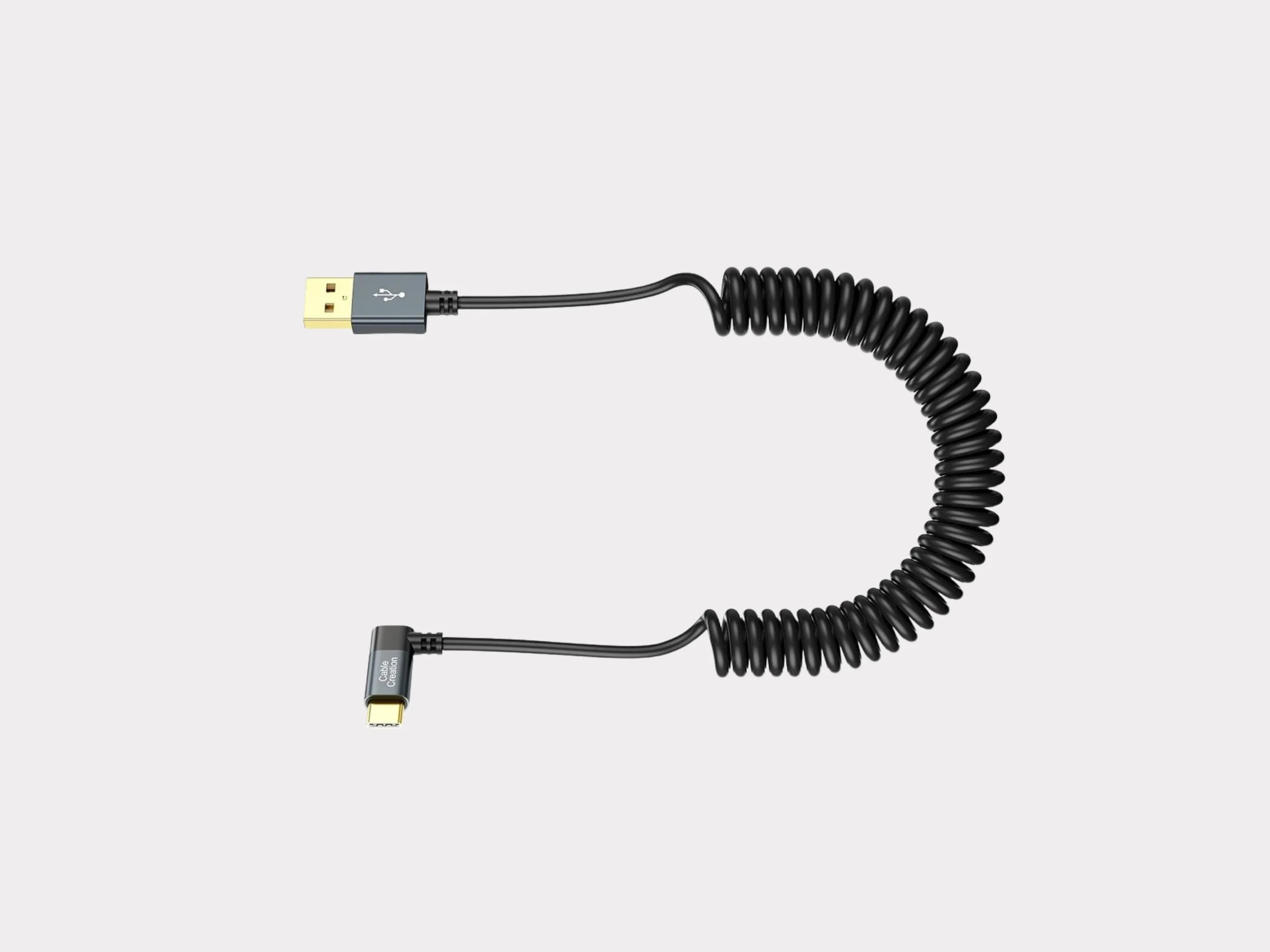
CableCreation Coiled USB C to USB A Angled Cable

Kondor Blue 8.5" Right Angle USB-C Braided Cable for 8K Data and Power Delivery
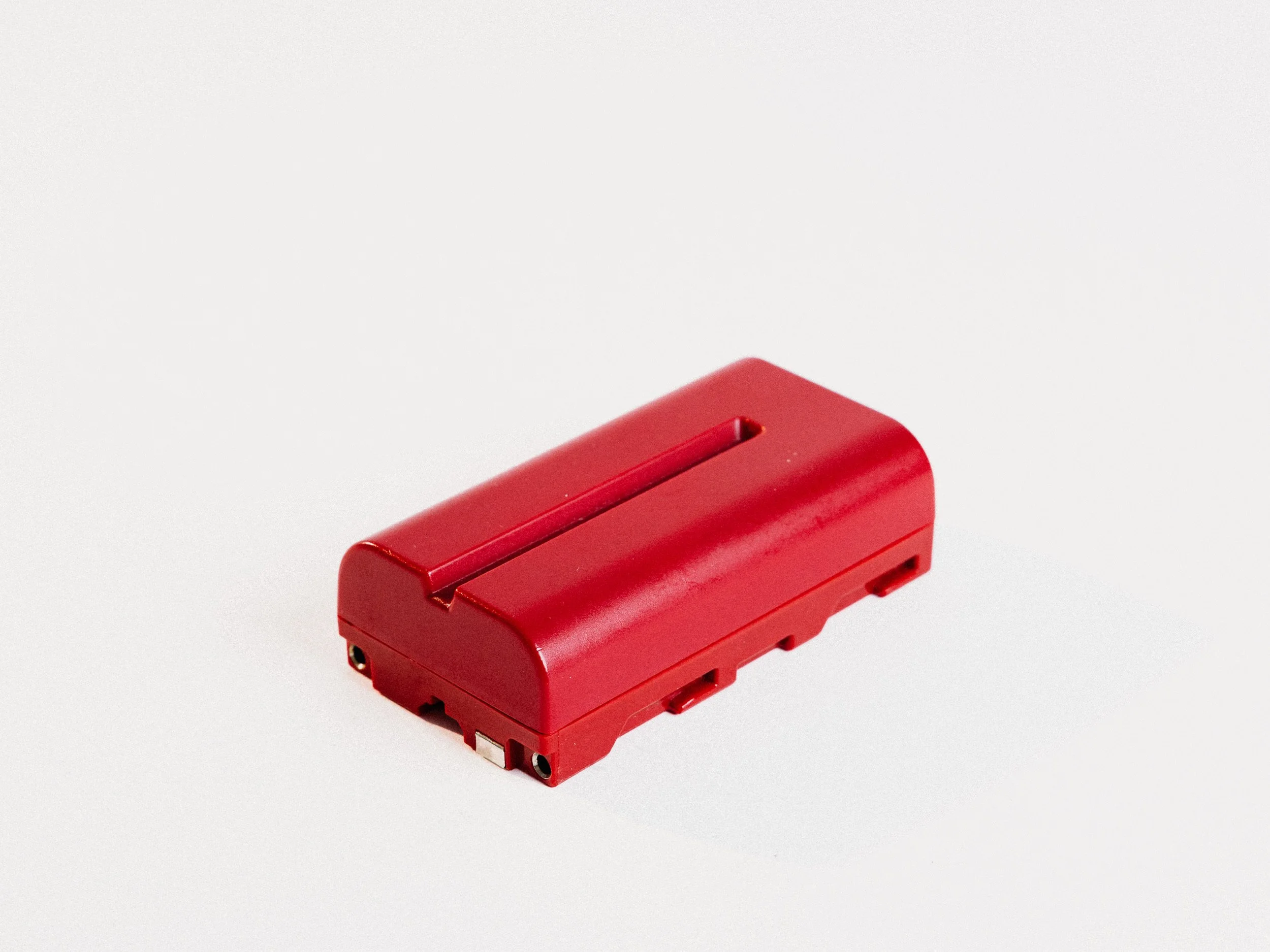
Neewer NP-F550 Battery
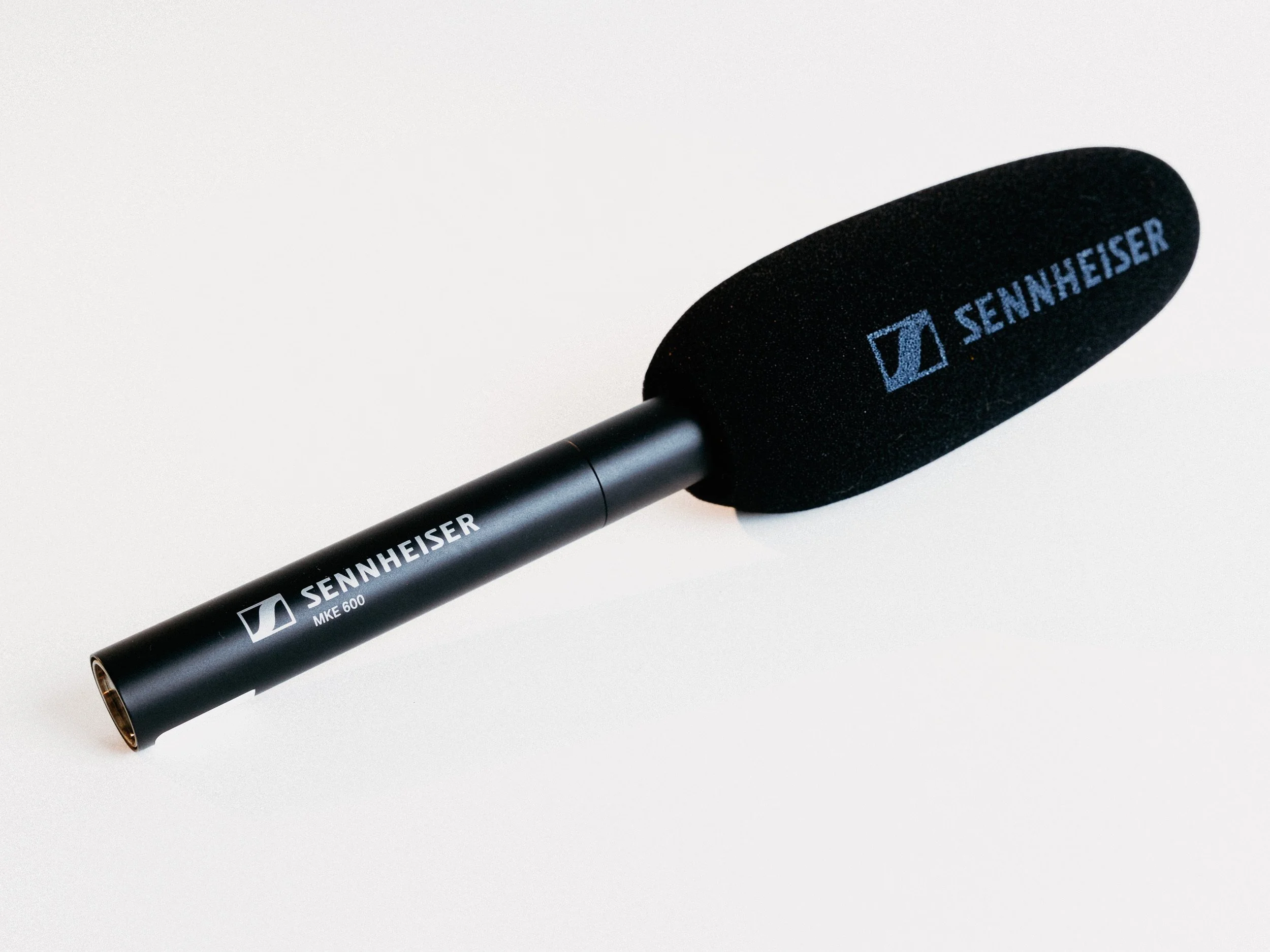
Sennheiser Shotgun Microphone MKE600
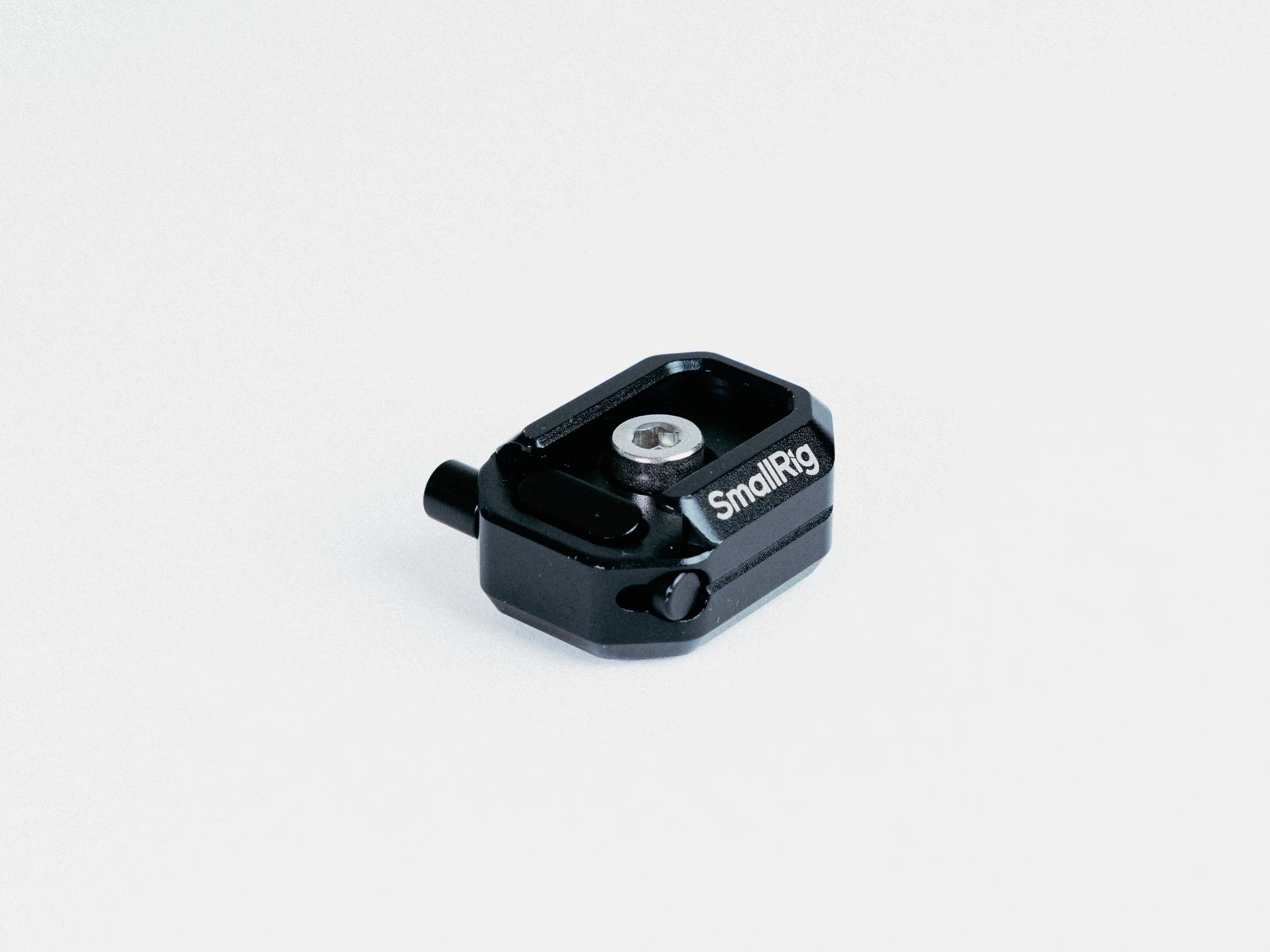
SmallRig Multi-Functional Cold Shoe Mount (2797)
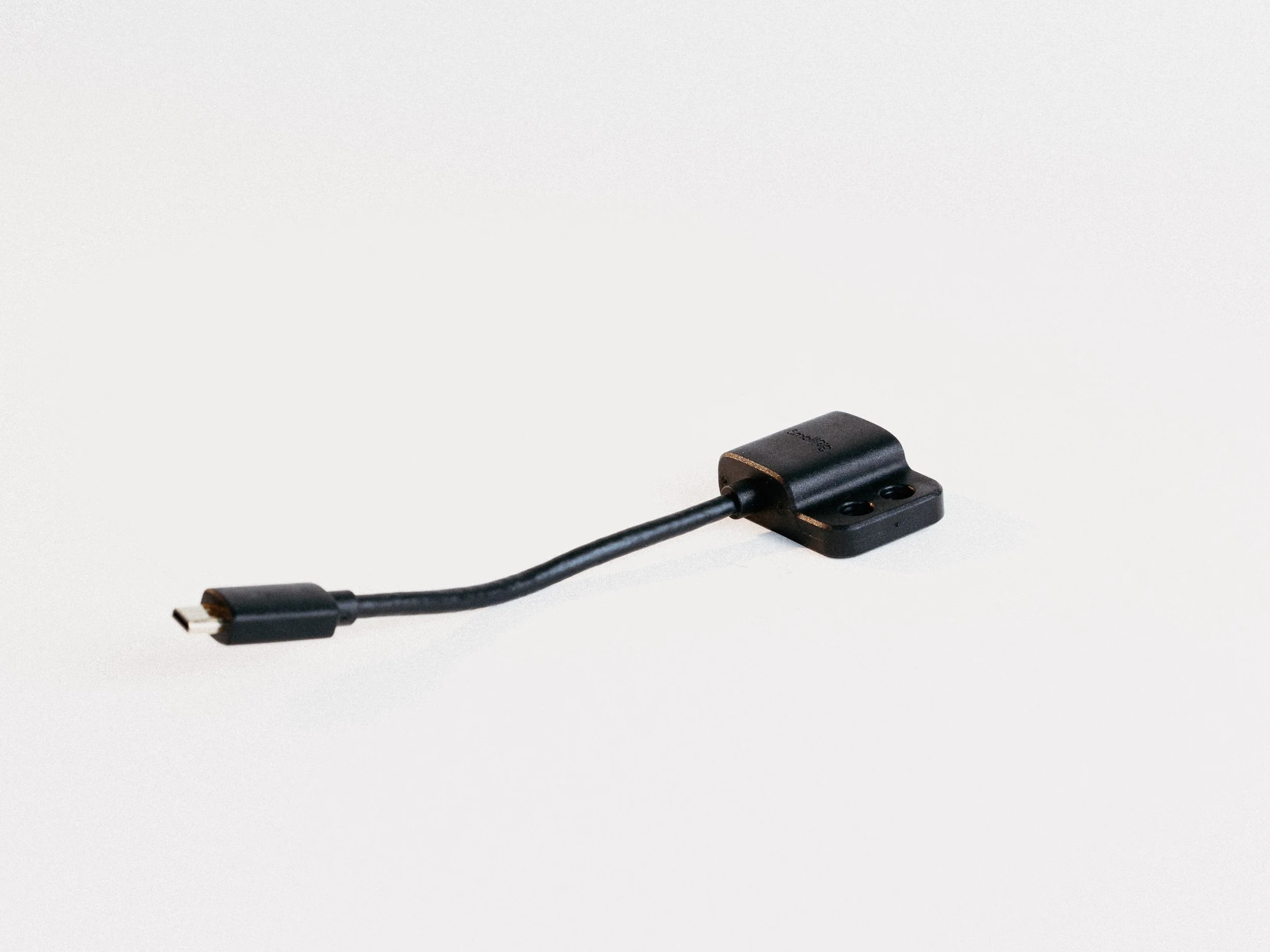
SmallRig Ultra Slim 4K Micro HDHMI Adapter Cable (D to A) (3021)
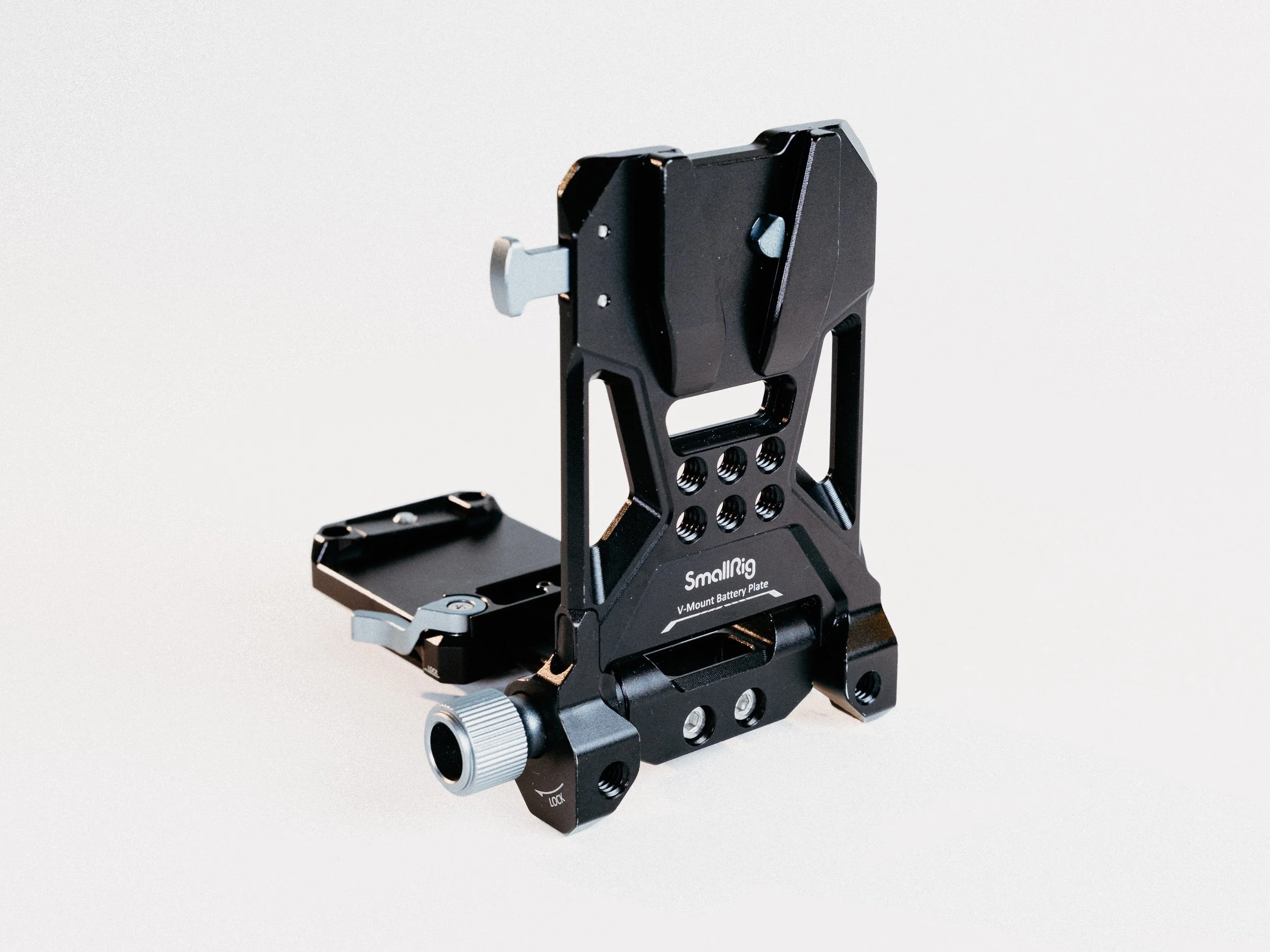
SmallRig V-Mount Battery Plate (4505B)
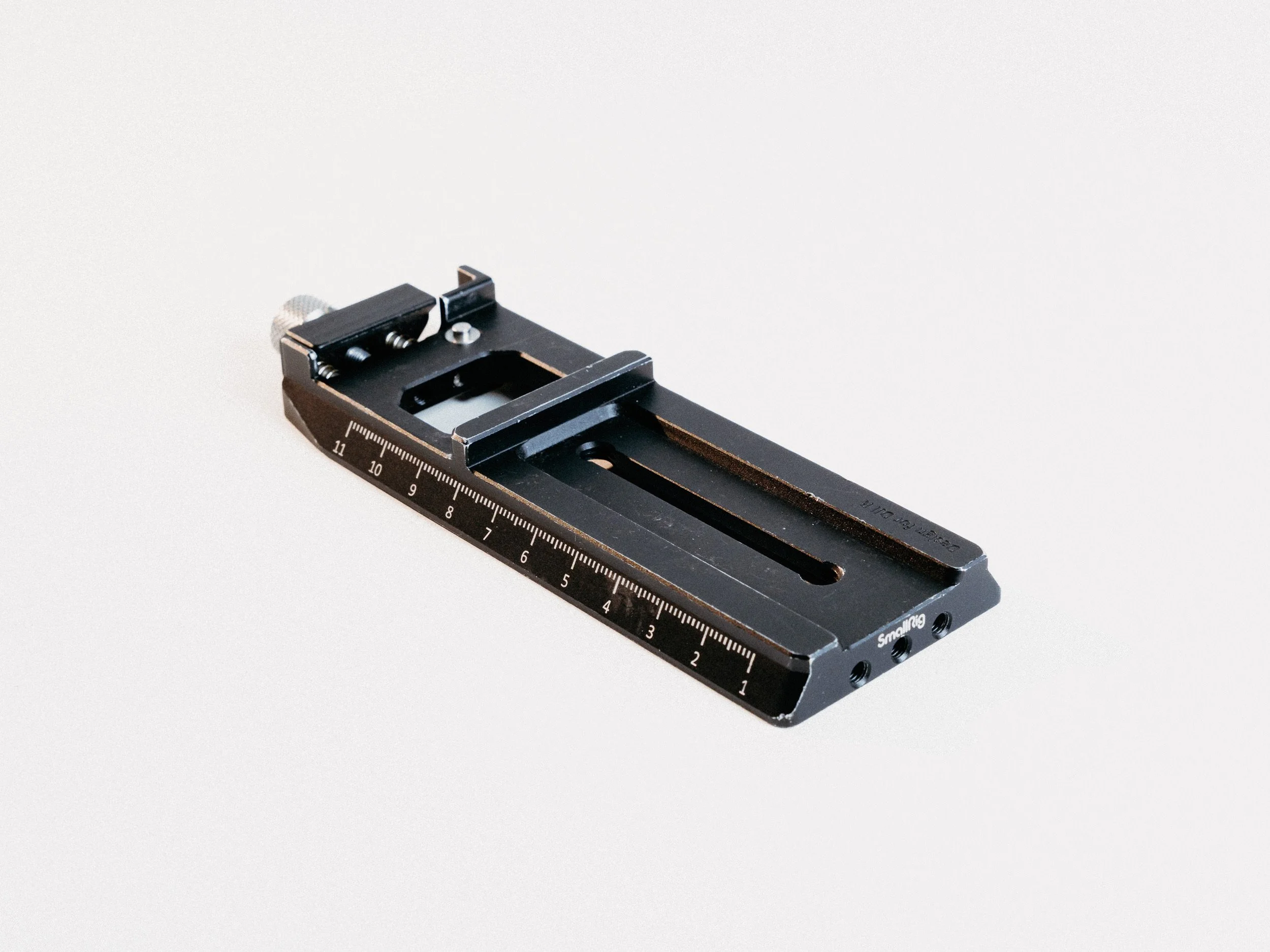
SmallRig 5.5'' Camera Plate Arca-Swiss and DJI Gimbal (3061)
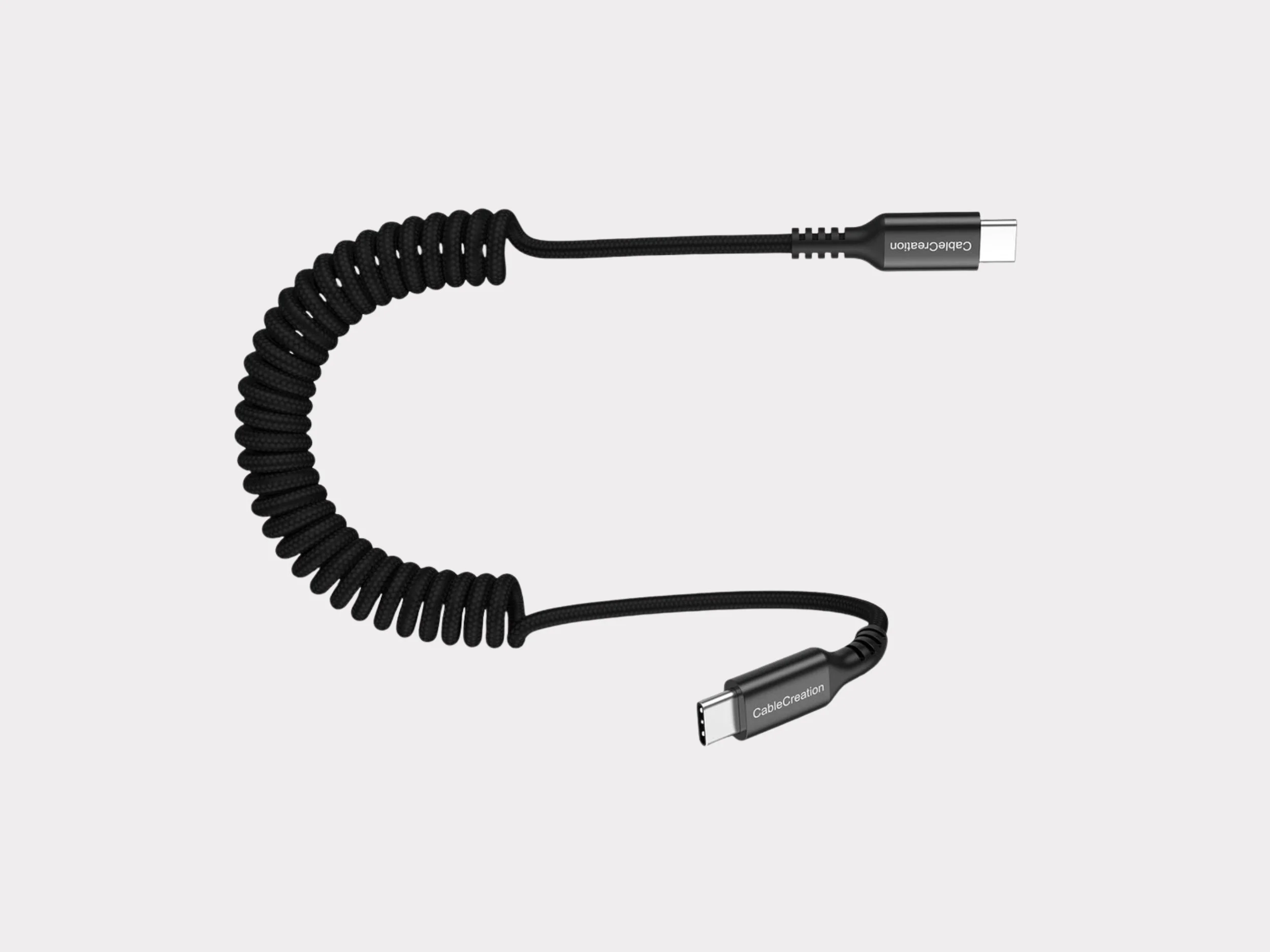
CableCreation Coiled USB C to USB C Cable
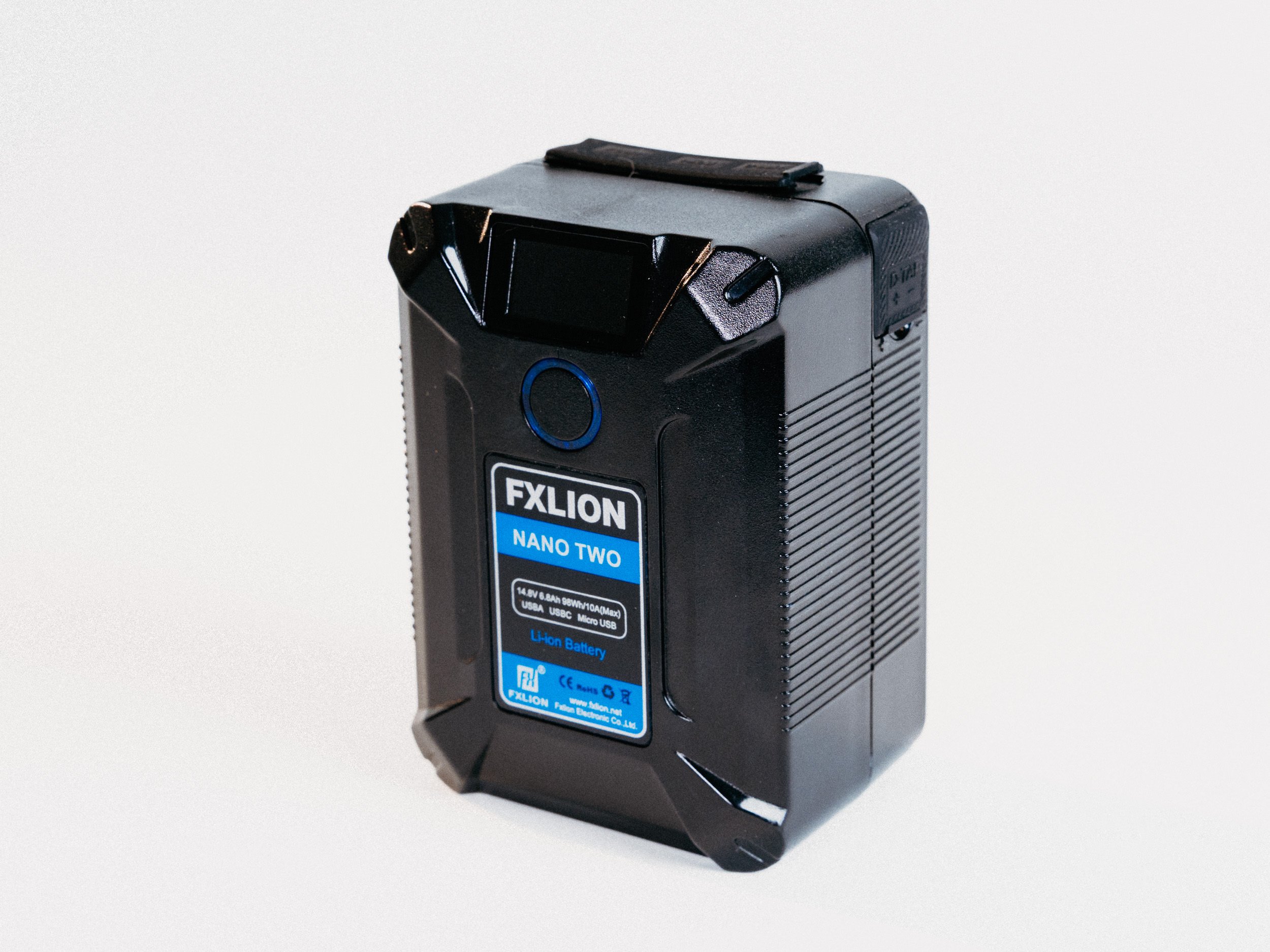
FX Lion Nano II VMount Battery
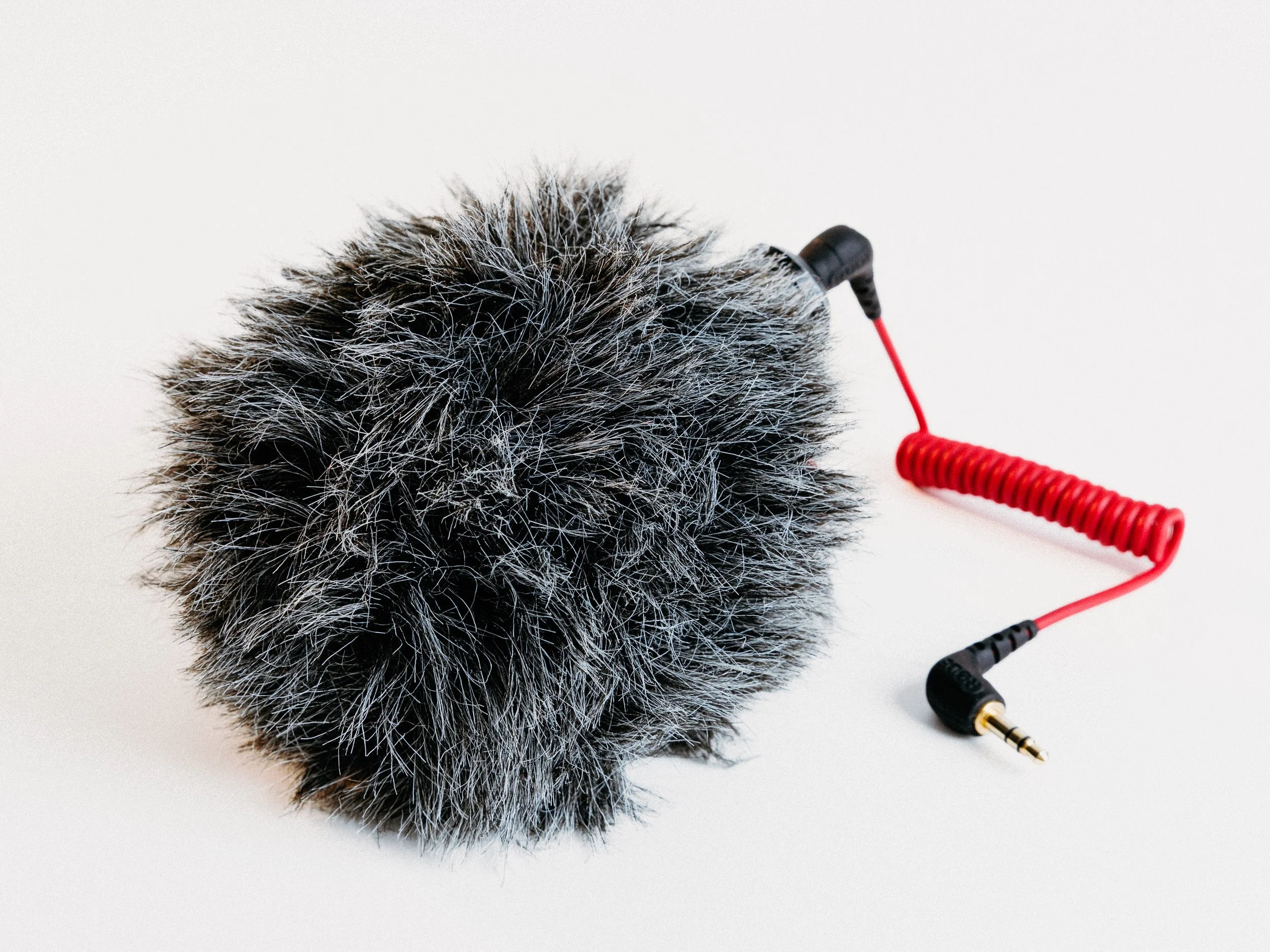
Rode VideoMicro Shotgun Mic
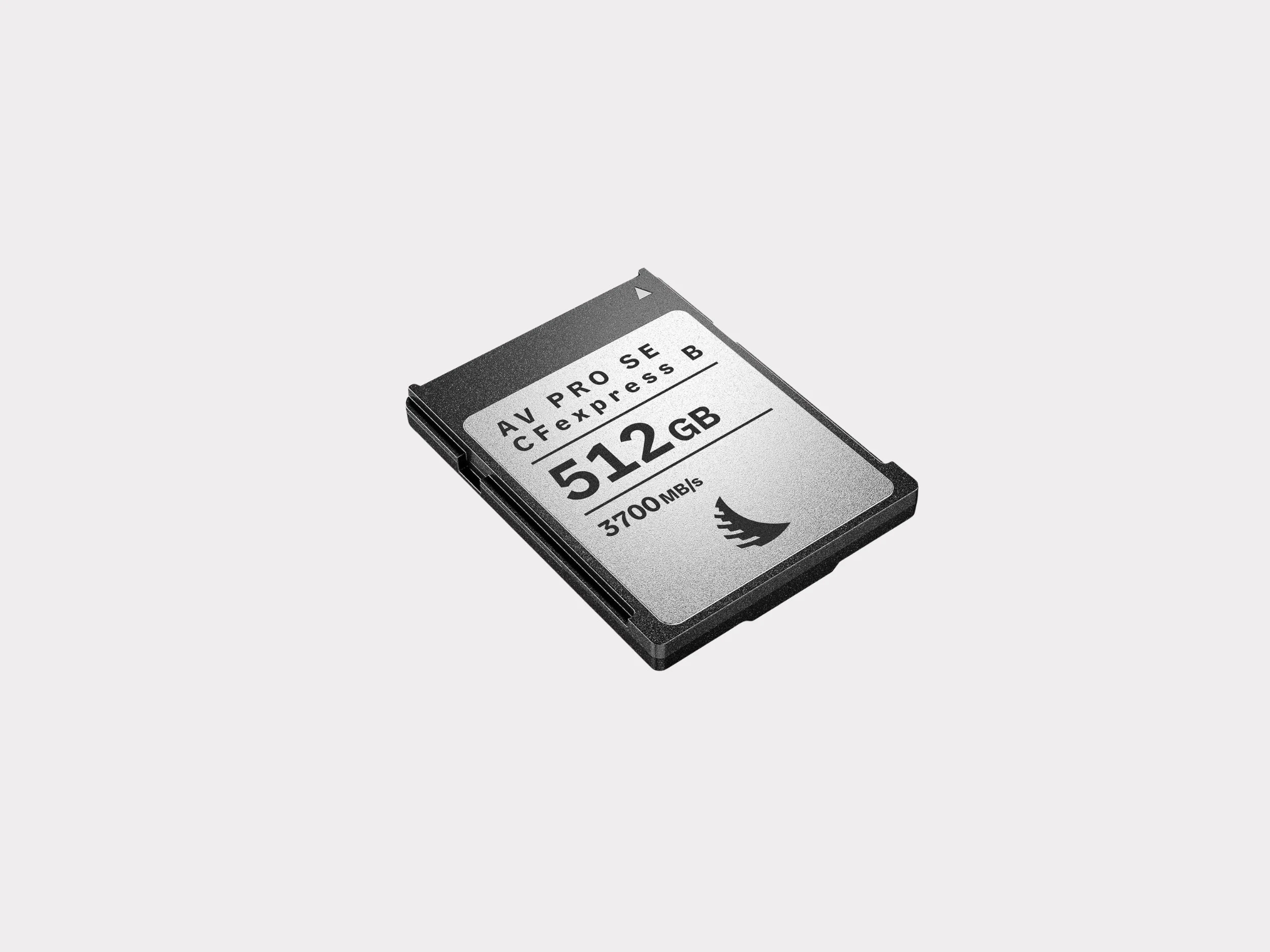
Angelbird AV PRO SE 512GB CF-Express Type B
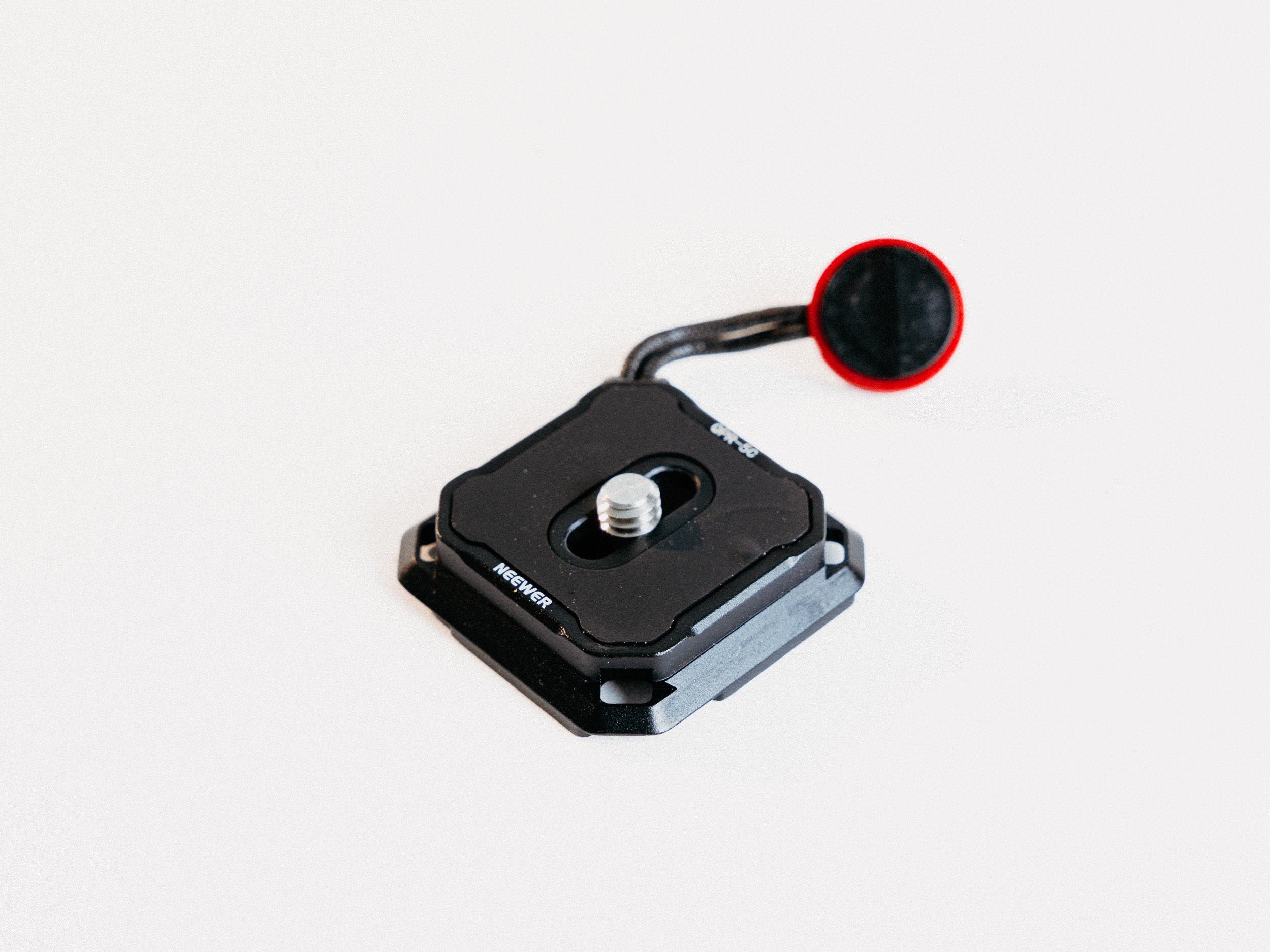
Neewer Quick Release Plate Arca-Swiss, 38mm (compatible PD V3 + SmallRig VMount Plate)
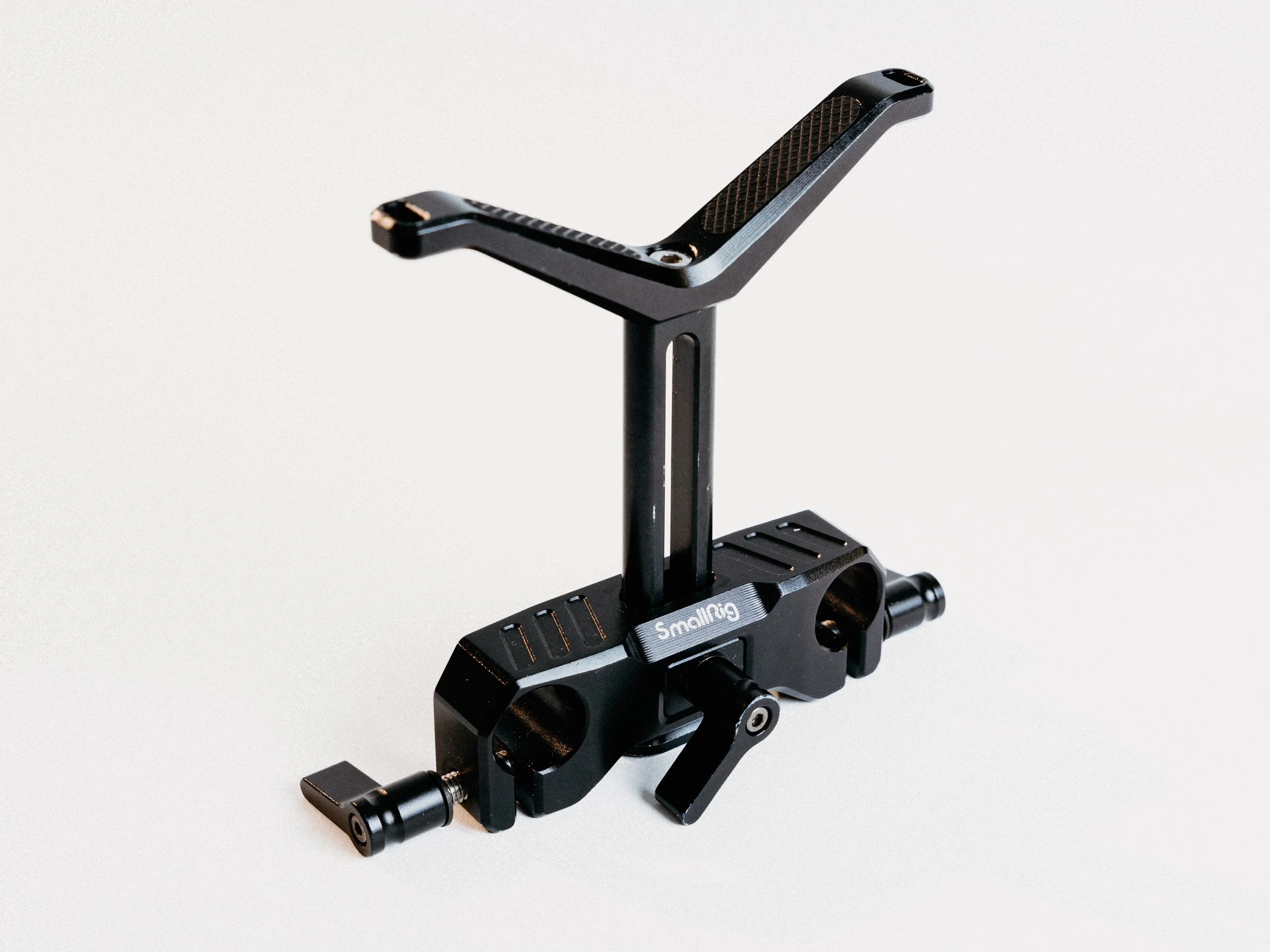
SmallRig 15mm LWS Universal Lens Support (BSL2681)
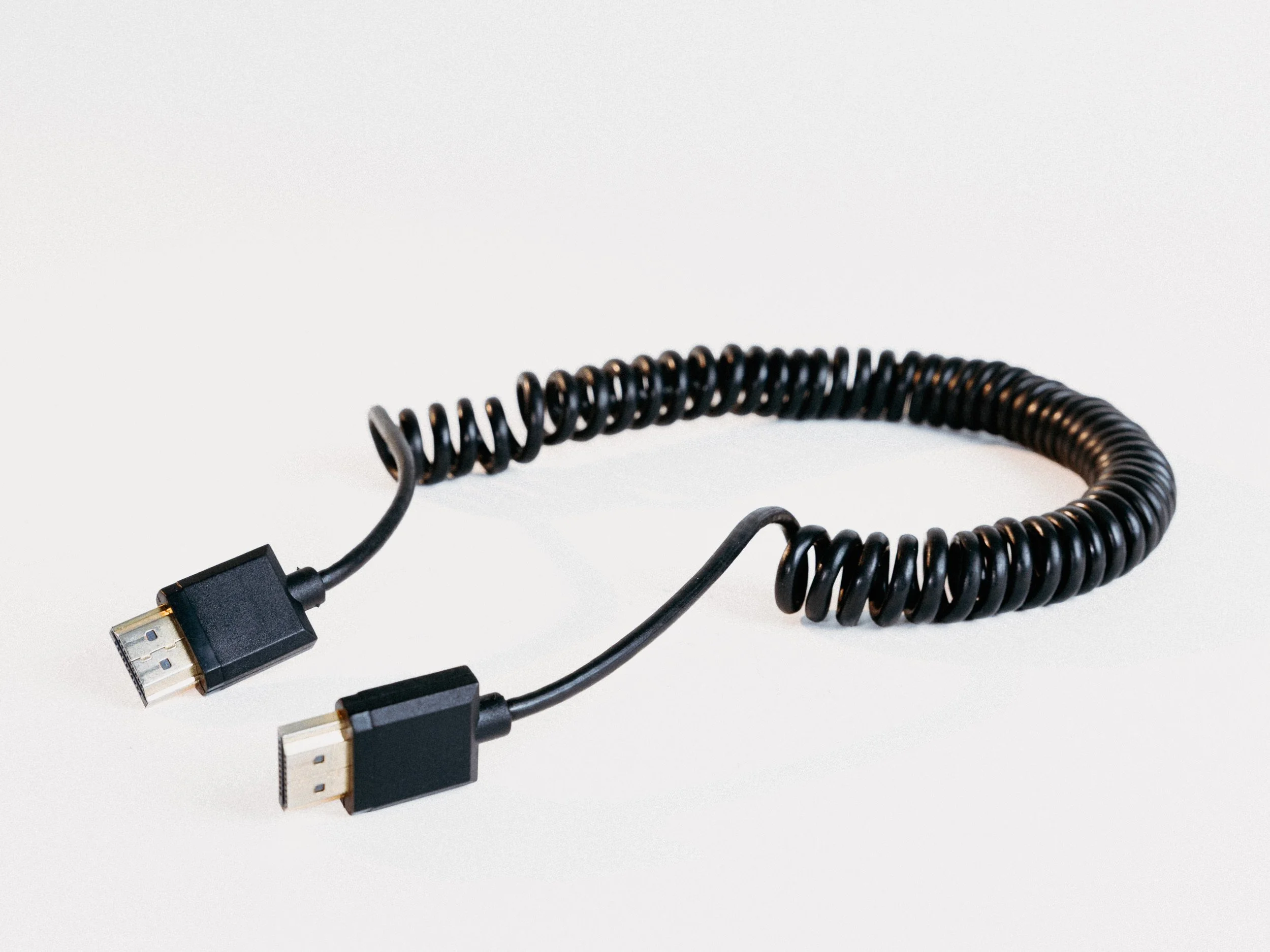
Duttek HDMI to HDMI Coiled Cable
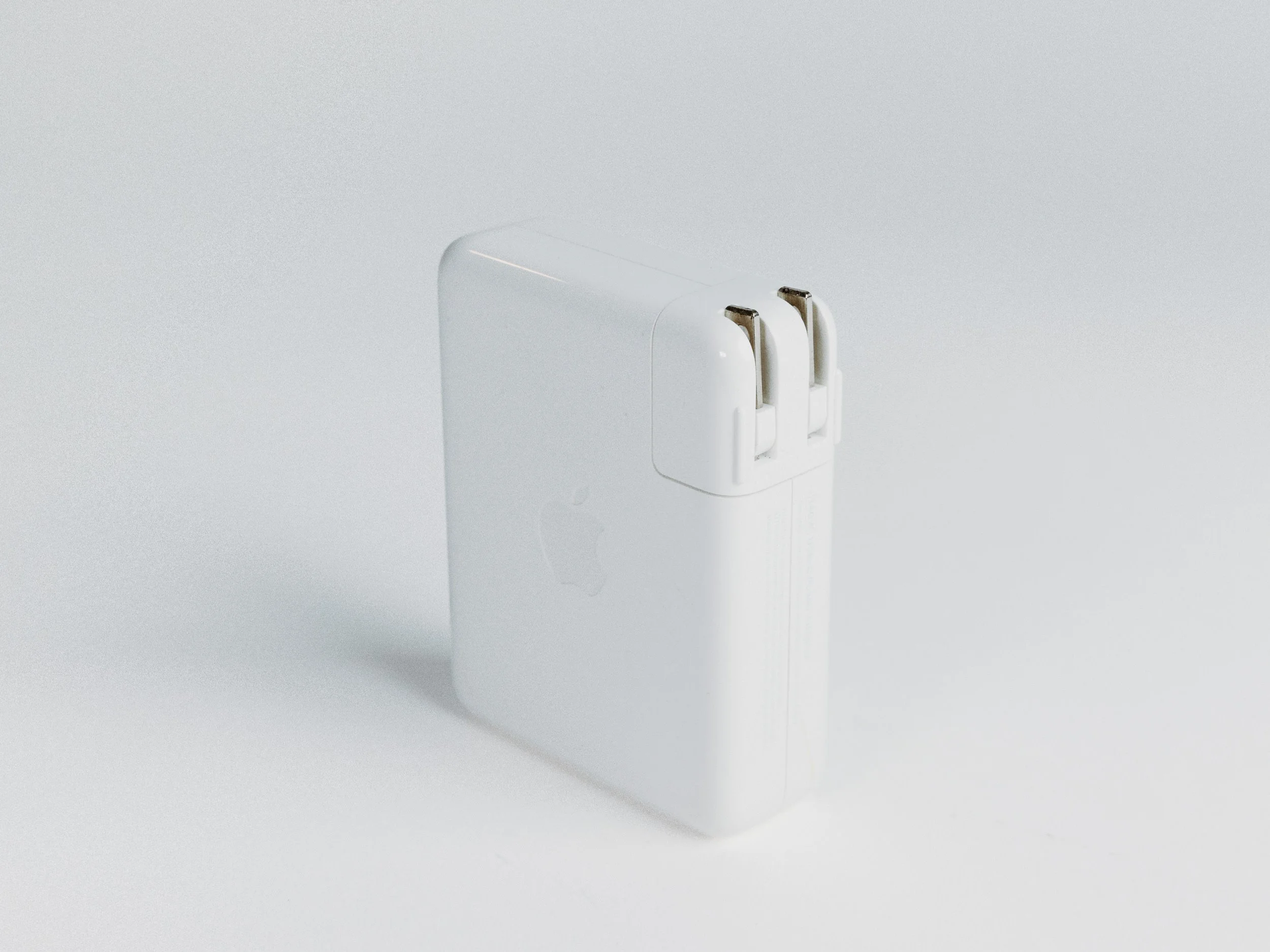
Apple 140W Charger
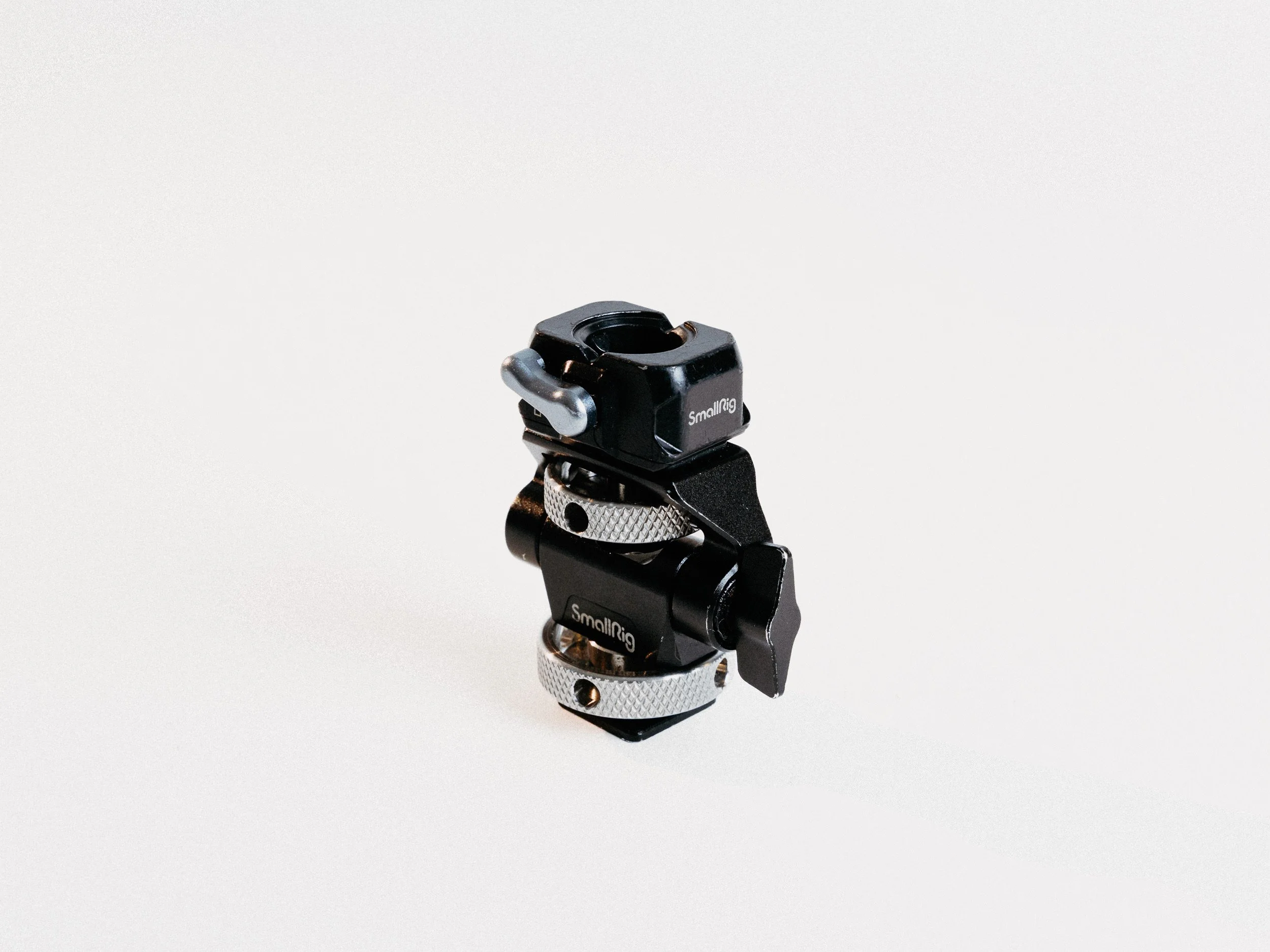
SmallRig Swivel Monitor Mount (2905B) + Hawklock (3513C)
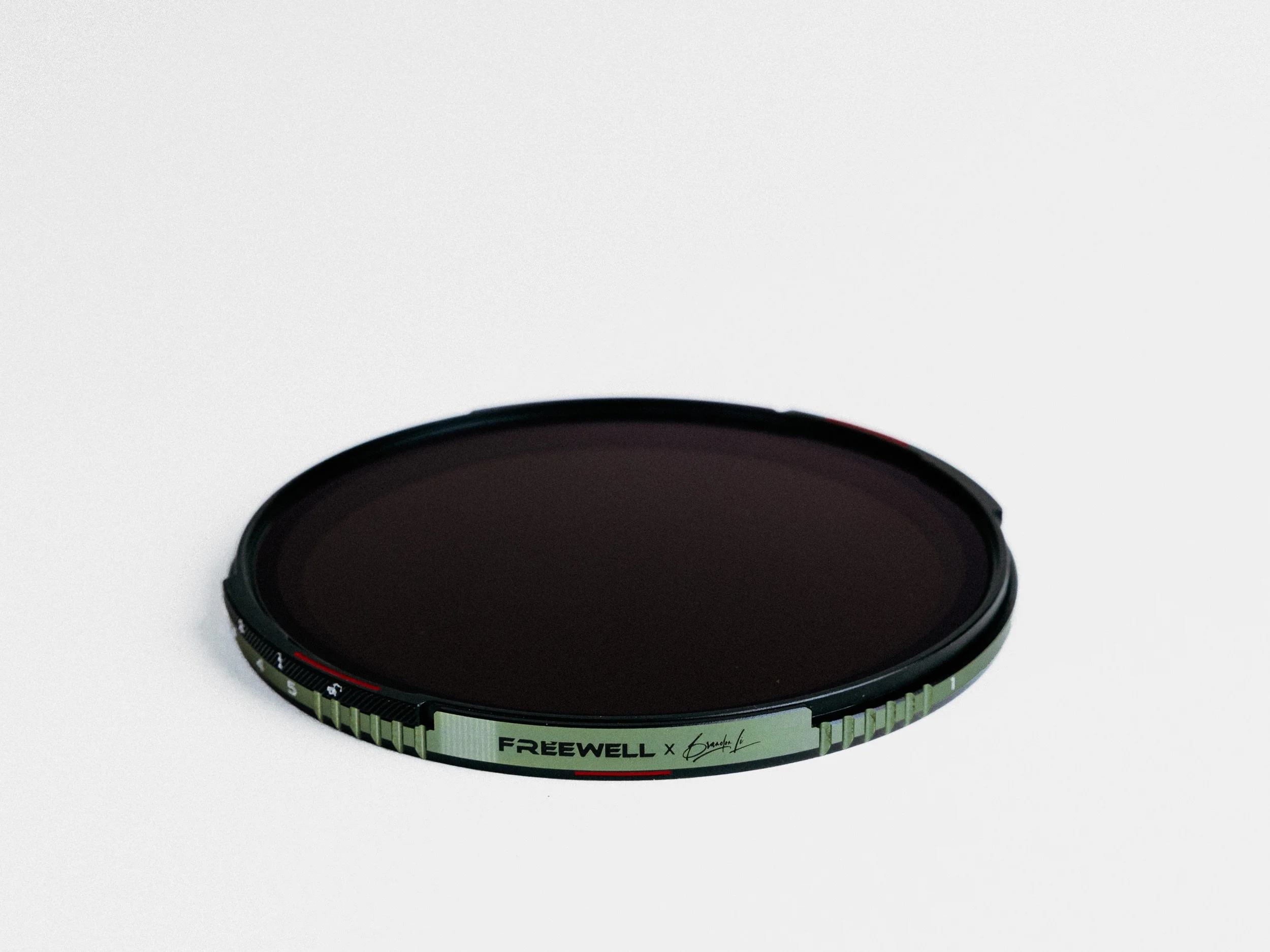
Freewell x Brandon Li Magnetic VND+CPL Kit
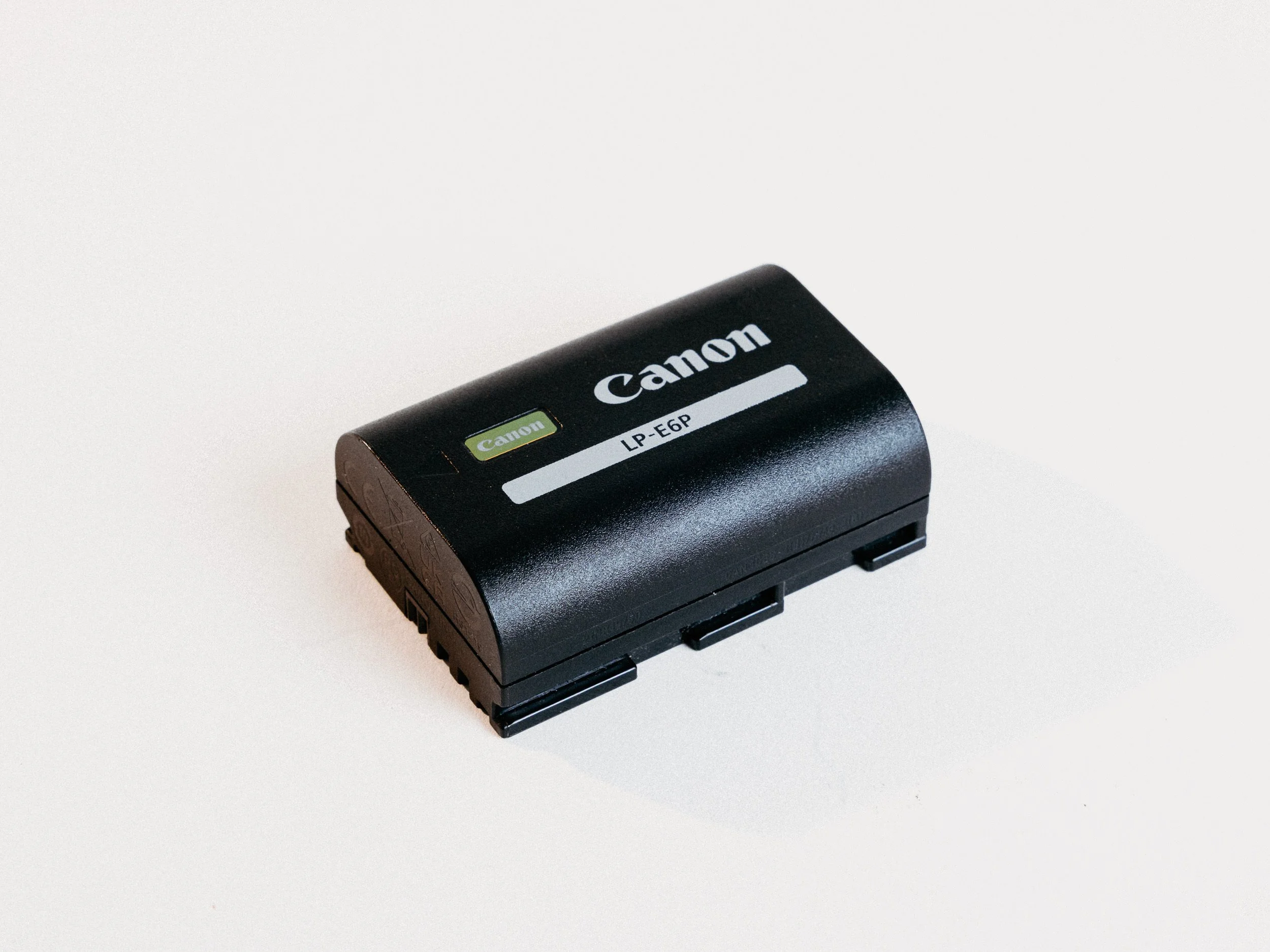
Canon LP-E6P Battery
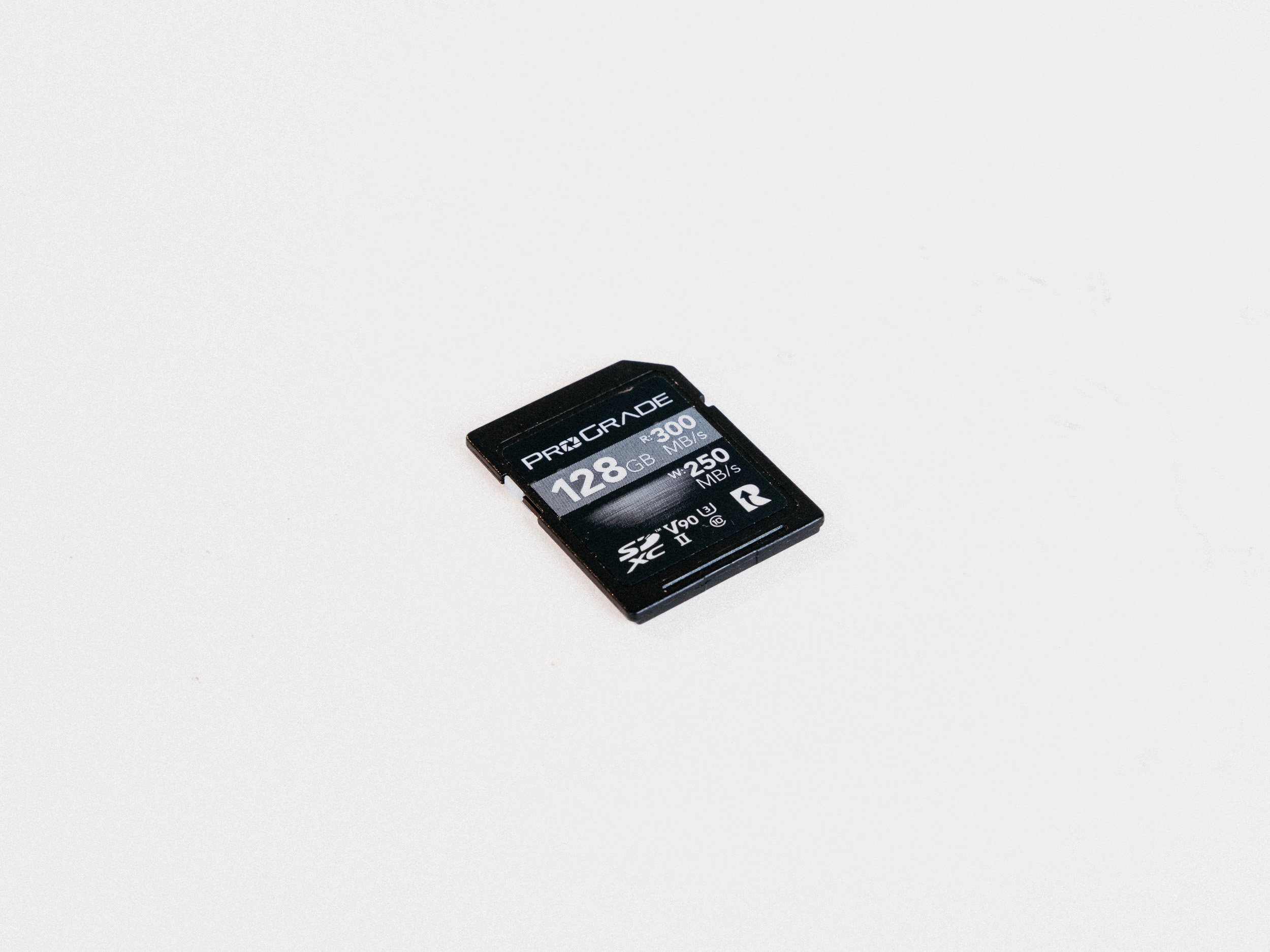
ProGrade Digital SDXC UHS-II V90 Iridium
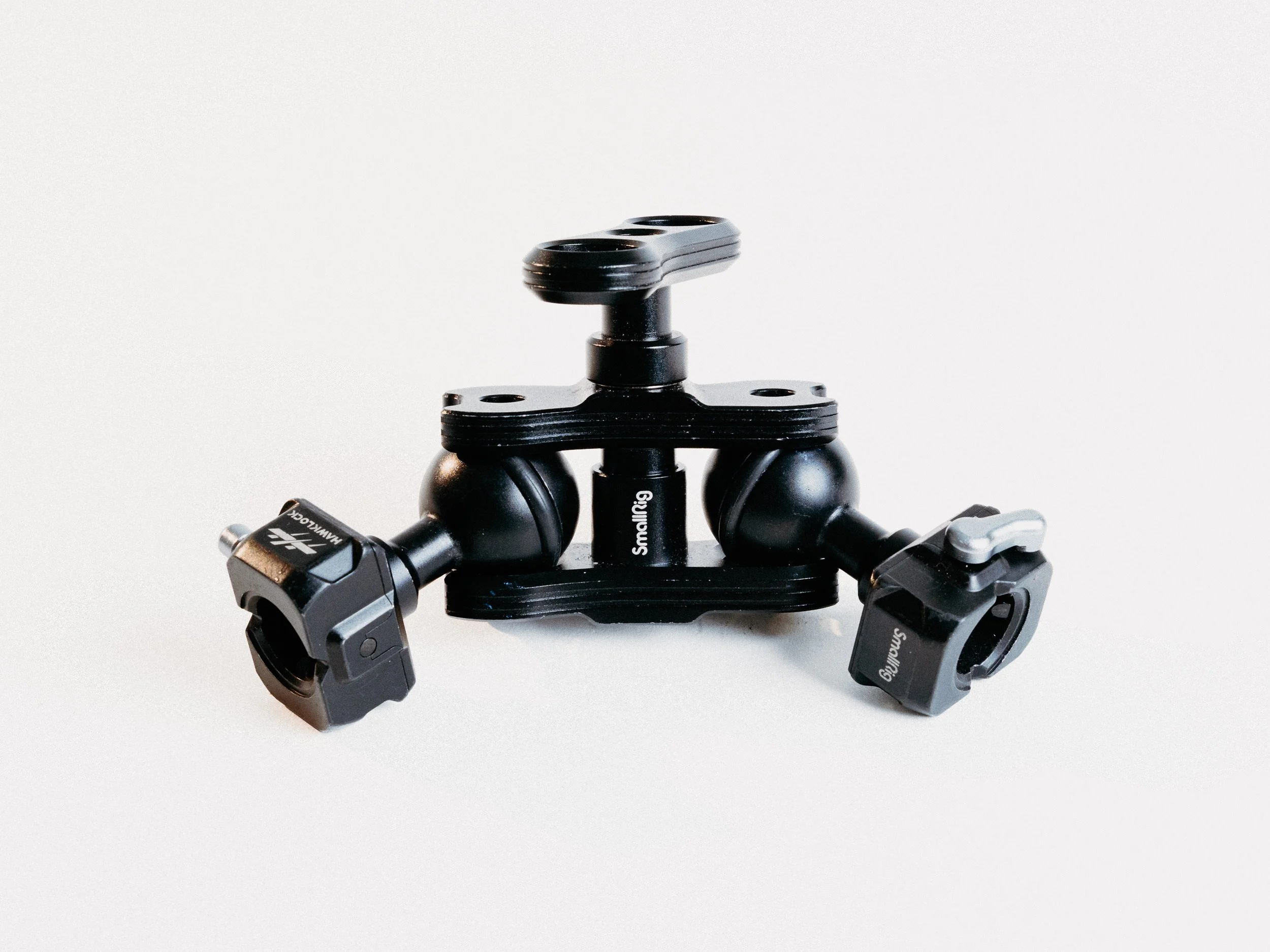
SmallRig HawkLock Ballhead Magic Arm 3515C
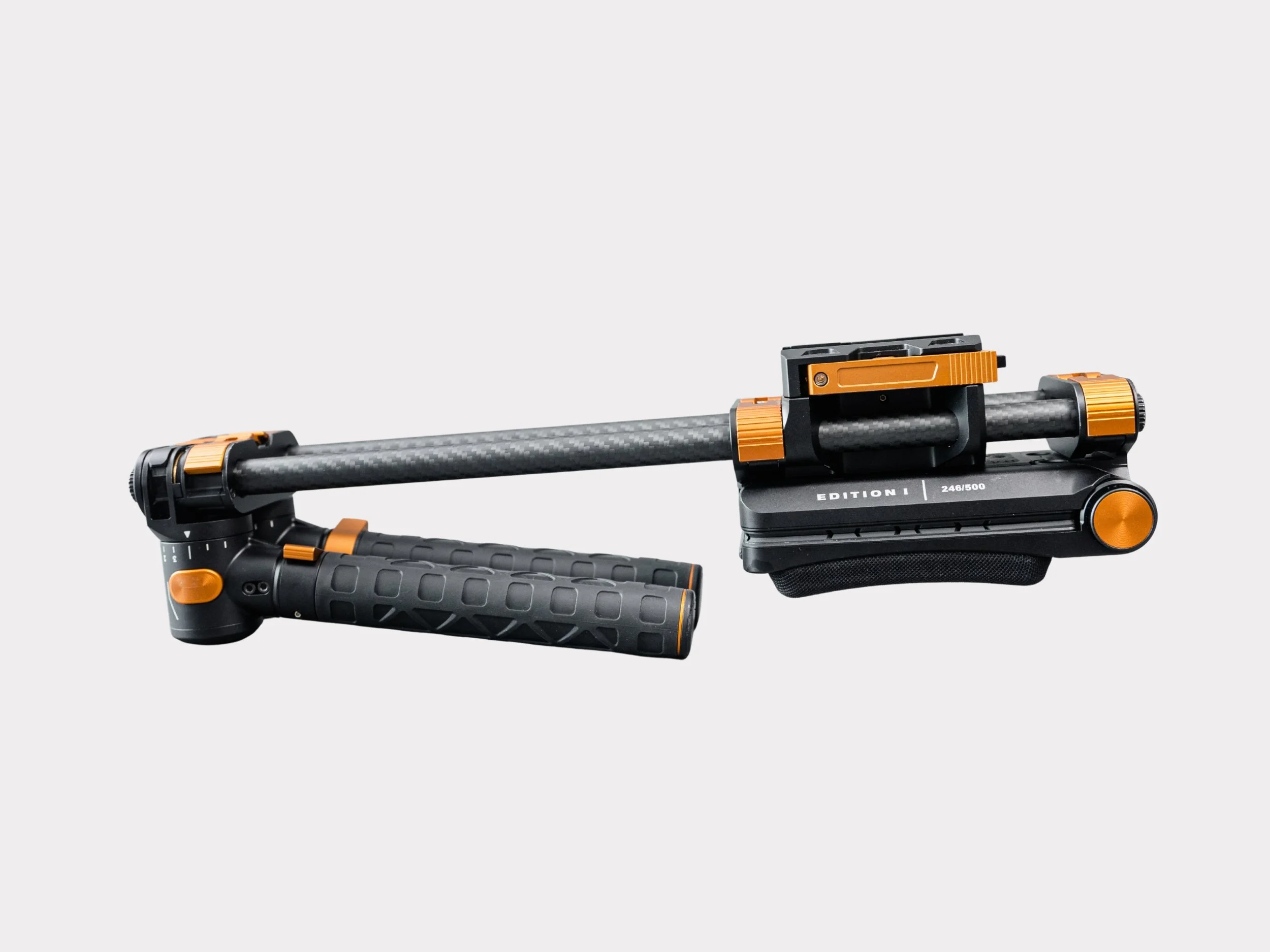
PolarPro Shoulder Rig PIVOT
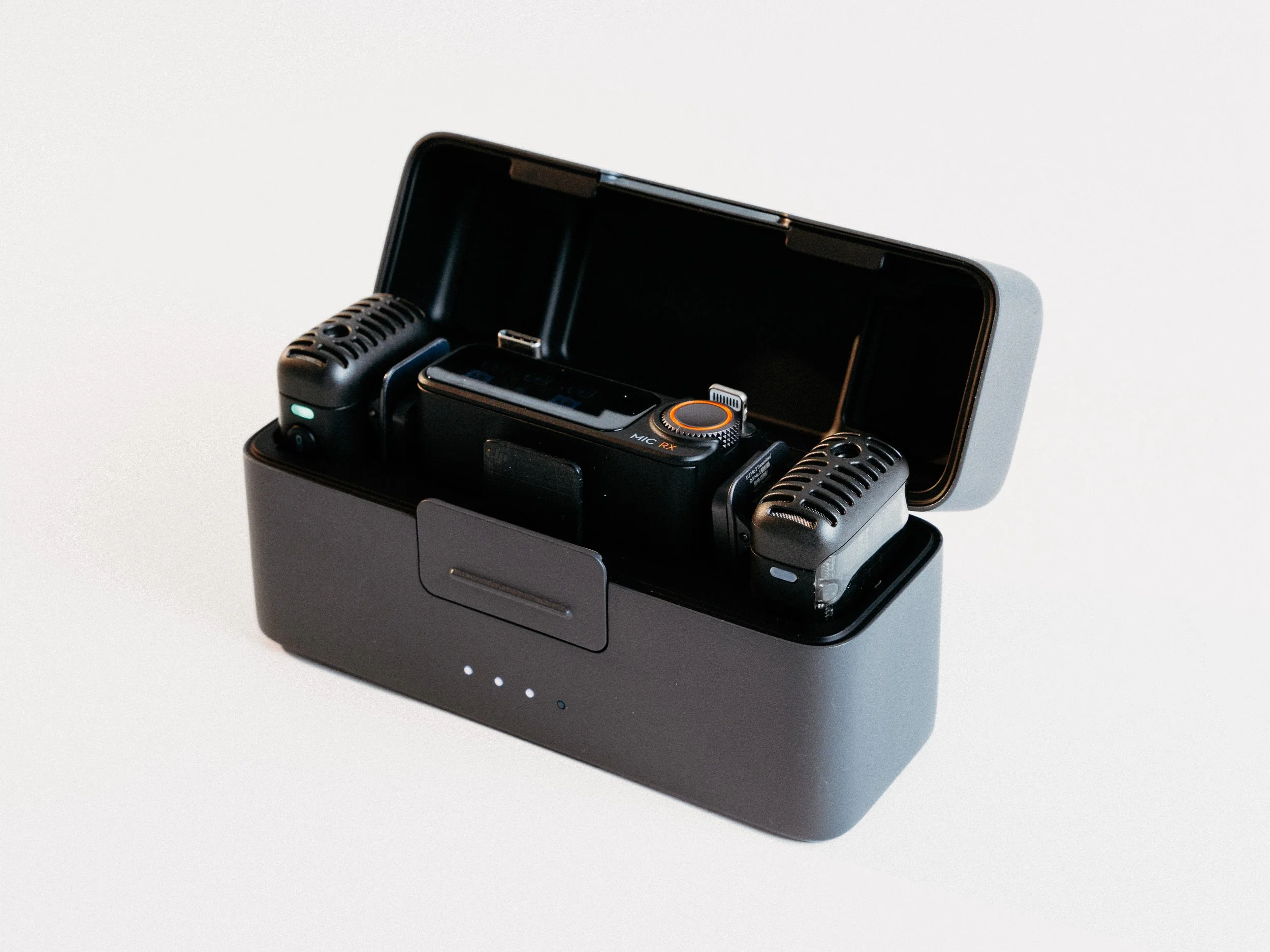
DJI Mic 2
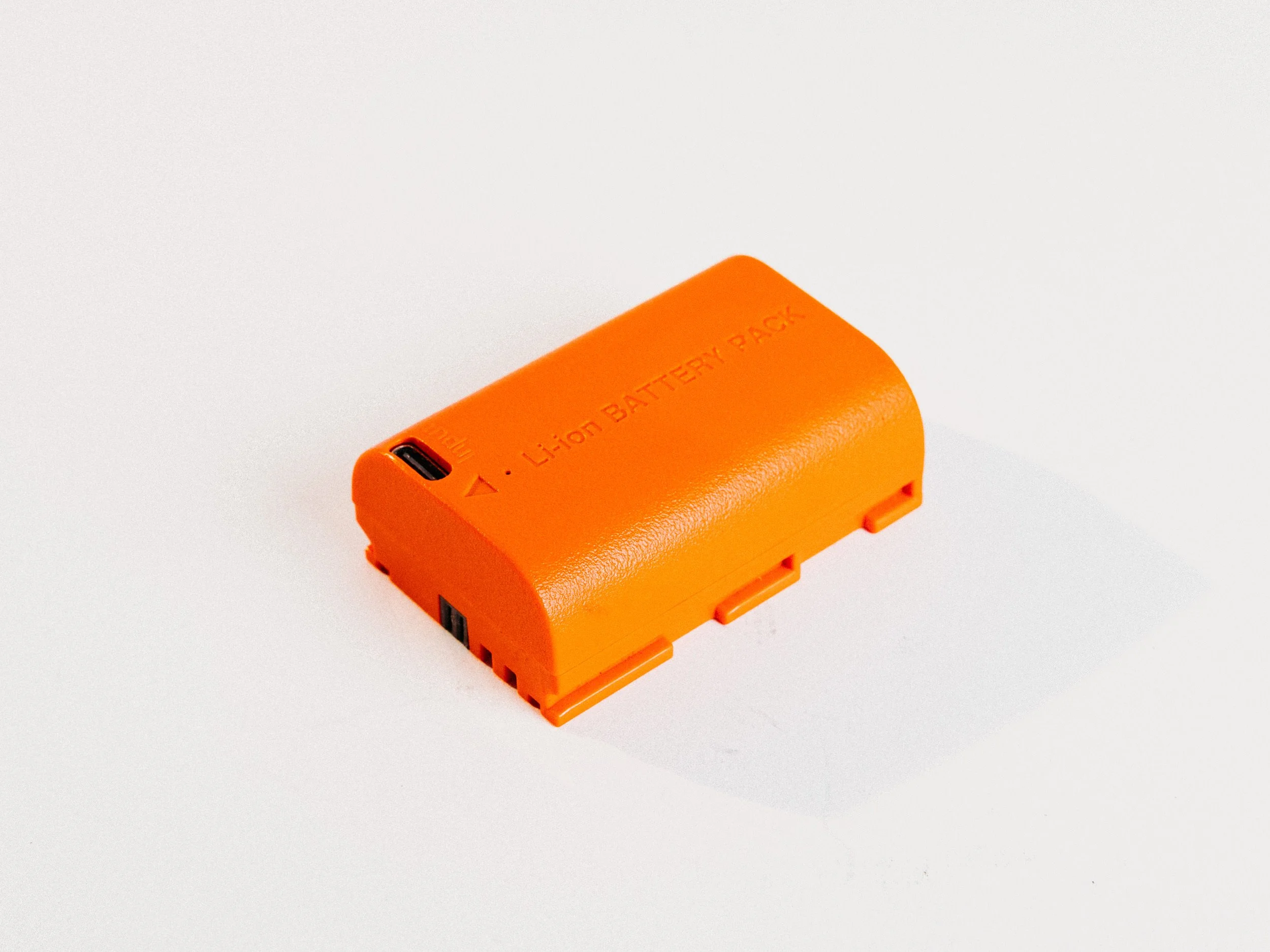
Smallrig LP-E6P Battery (5407)
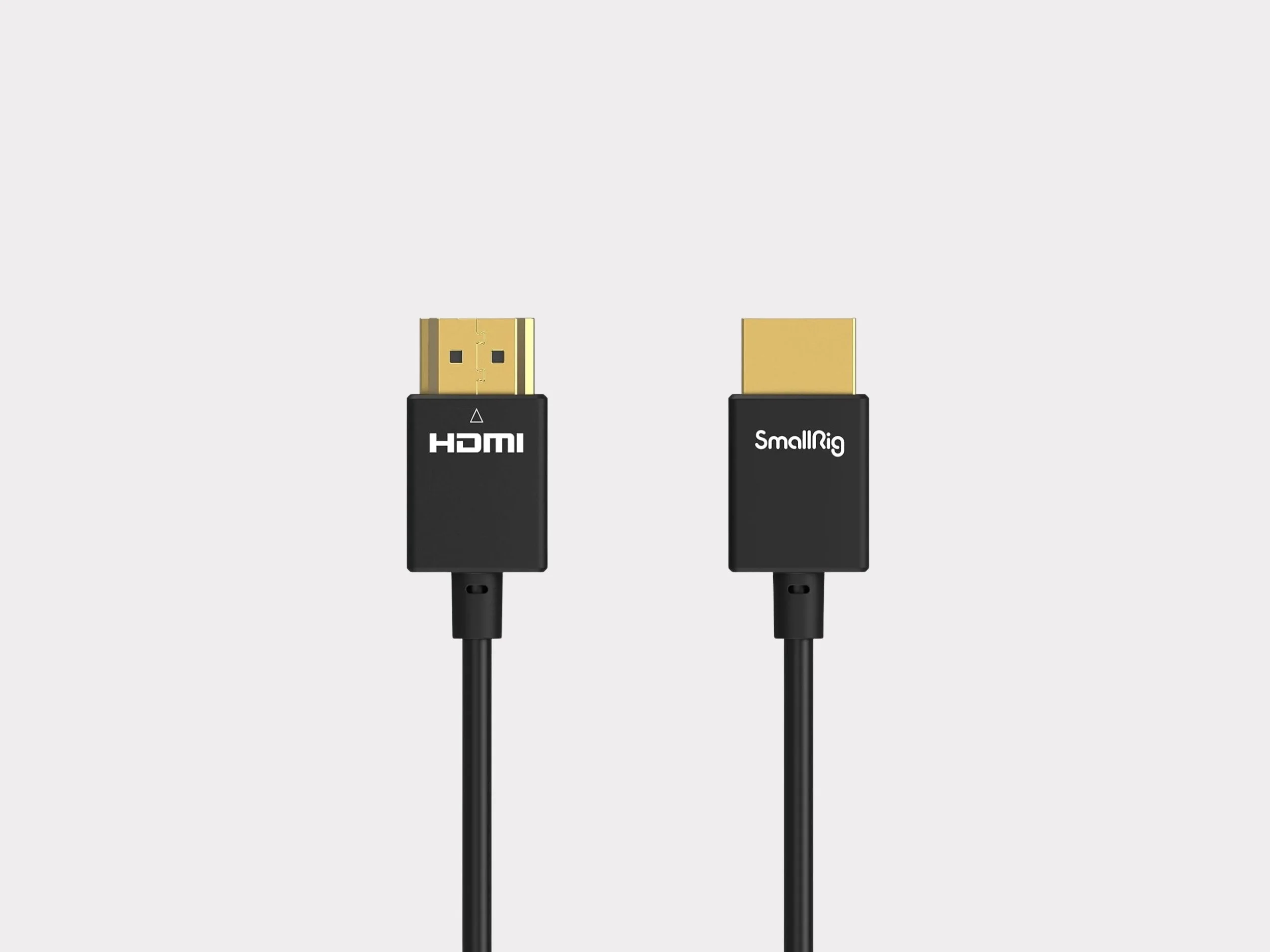
SmallRig Ultra Thin HDMI Cable 55cm/1.8Ft (2957B)