
About
Hello There!
I’m Robin Ferand, a French filmmaker and photographer with over nine years of experience in commercial and corporate media production. My commercial work is showcased on robinferandstudio.com, where you’ll find projects I’ve created for brands like Travel Alberta, BCSPCA, The Polygon Art Gallery, PwC Canada, and EA Sports.
This website is different. It’s personal, a space dedicated to my love for film photography and my ongoing project of capturing places today that may look different tomorrow. Here, I document my process, share my thoughts on photography, and explore the evolving relationship between images and time.

Once There Was a Time
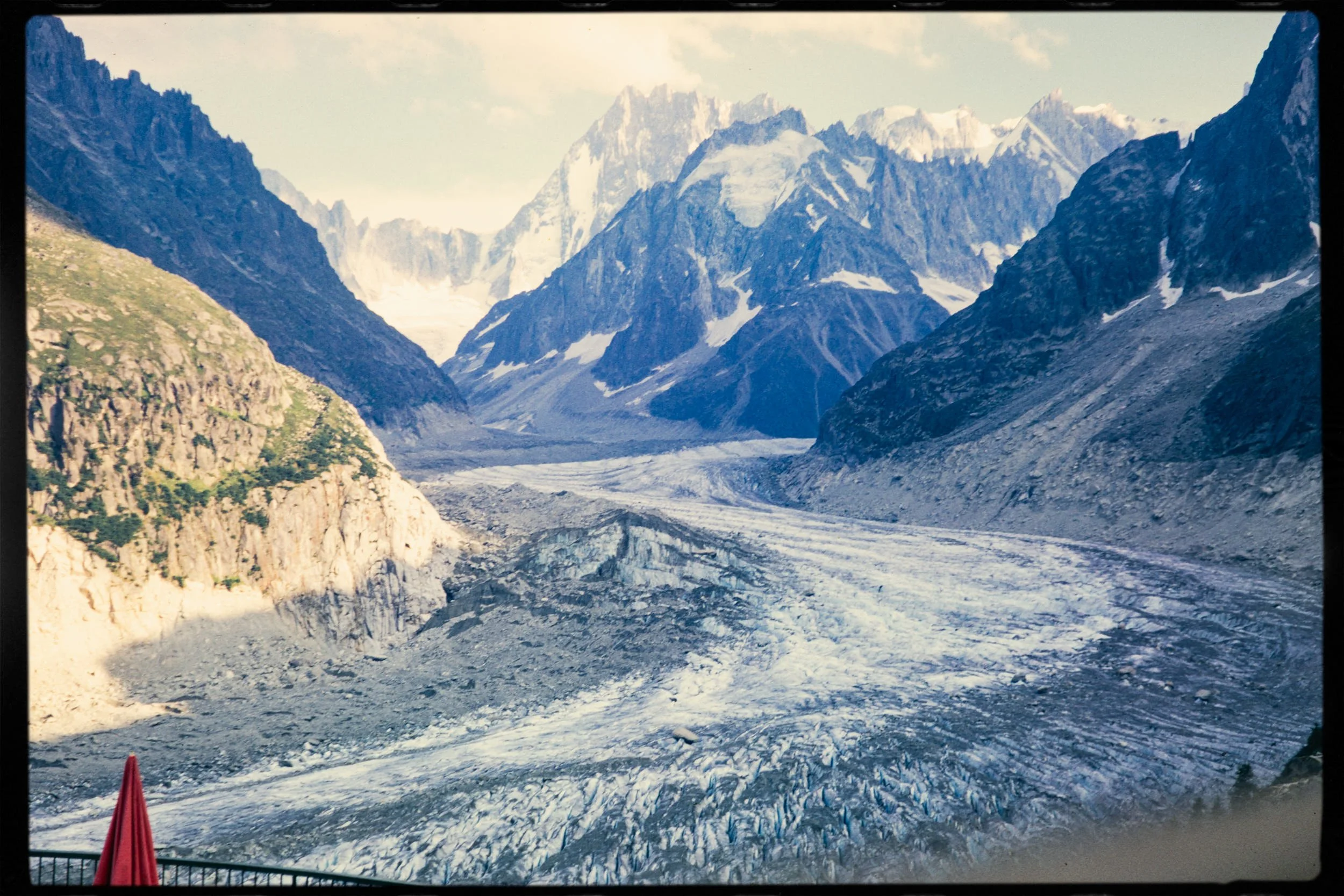
(Top Left) Mer de Glace - 1962 | Shot by my grandfather on Kodachrome
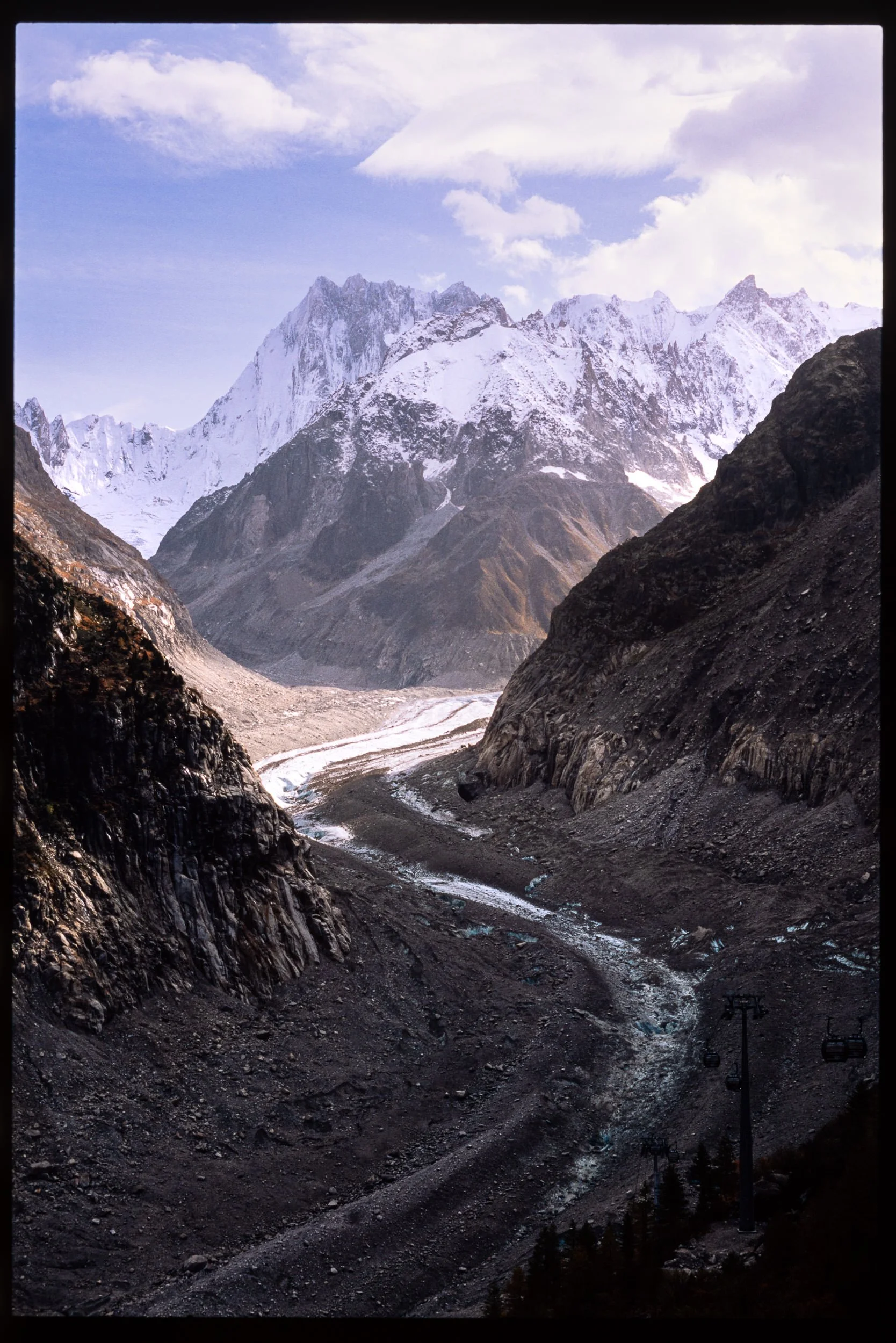
(Bottom) Mer de Glace - 2025 | Shot by me on Fuji Velvia 50
Much of my work is driven by the idea that the places we know today may not look the same tomorrow. This stems from childhood memories of driving through my father’s hometown, where he would point out places that had once been open land or forests but had since turned into malls and housing developments.

Three years-old me
That connection to time and place is also why I recently started a long-term project—revisiting locations my grandfather and father once photographed to document how they’ve changed over decades. It’s an ongoing visual archive, a bridge between past and present.
Three years-old me | Haute-Savoie, 74

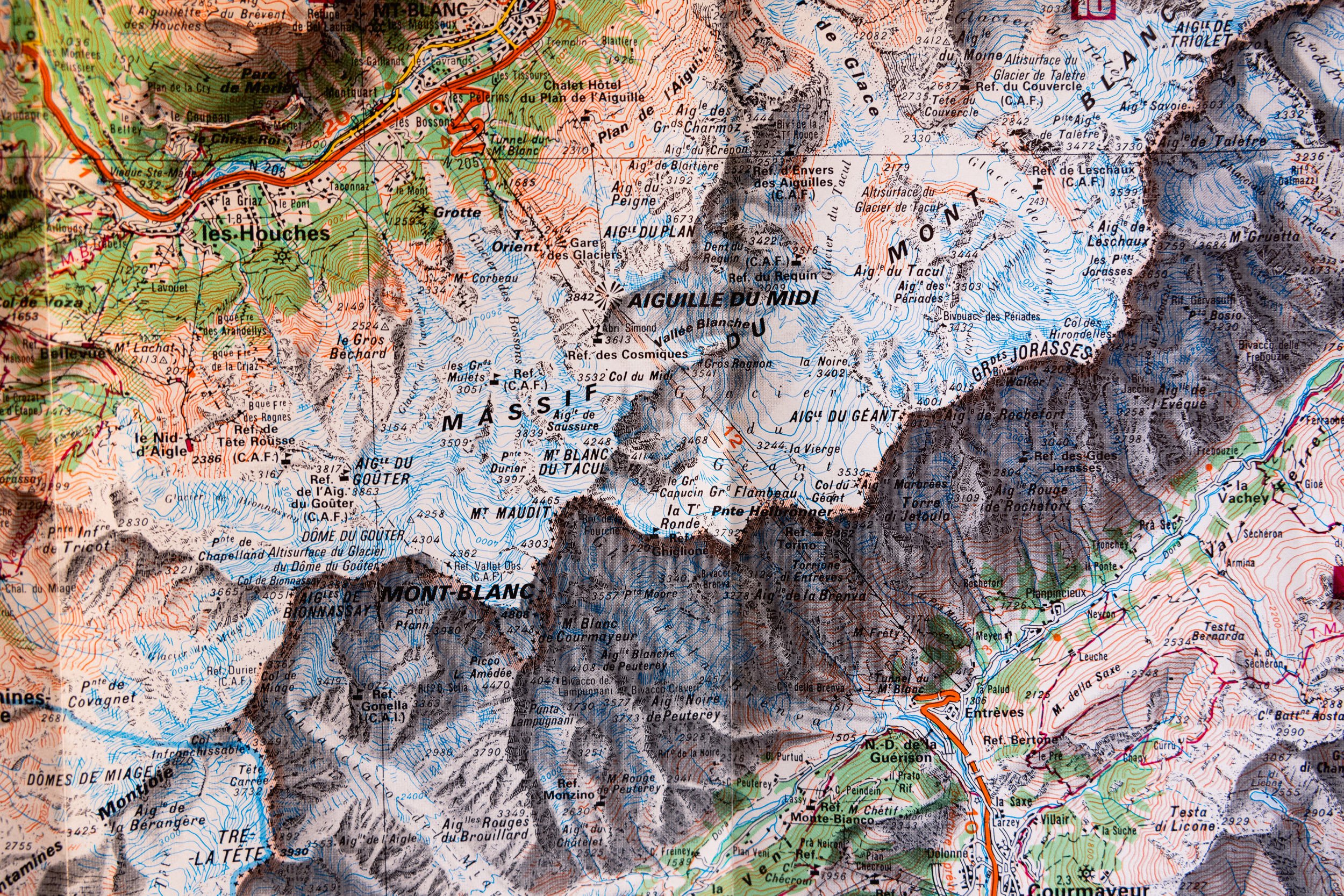
I’ve always been drawn to old photographs, catalogues, and maps, which might explain my appreciation for film and the physicality of the medium. But this doesn’t mean that I’m all about analog for every aspect of my life. My workflow blends digital efficiency with analog tactility, like using pen and paper, making prints, and building a physical archive alongside digital backups.
It’s not about choosing one over the other but picking the best of both worlds. Maybe that comes from growing up in the mid-90s when digital technology took off, but we still had an analog foundation. Or, as the French say, Avoir le cul entre deux chaises—sitting between two chairs. Perhaps that should be my motto.


Why Film?
I first picked up a film camera in 2012 when my brother had dusted off our father’s old film cameras. At the time, I was shooting with a DSLR and thought it would be fun to try that analog process. Initially, it was simply to learn the fundamentals—ISO, shutter speed, and aperture. And what better than a manual film camera to understand the exposure triangle?
Film photography also forced me to slow down. With 36 exposures (or less) per roll, you have to think twice before pressing the shutter. There is also no instant feedback and no screen to check. You then have to wait for the roll to be back from the lab to see if you got it right and be happy with yourself or to be frustrated because you messed it up, which, in the beginning, happened quite a lot. But it’s all part of the process.
What began as a technical exercise soon turned into a philosophy. Unlike digital, where my editing style constantly evolves (coupled with the notion of never really being happy with an edit ), film exposures remain timeless. I never feel the urge to rework a negative years later—it simply holds its place in time.
Film stocks are like different brushes. Each has its character, and I choose them based on the subject and location rather than relying too much on post-processing to shape the final image. Digital, on the other hand, offers limitless possibilities in editing. Both have their place, but film offers something digital often struggles to replicate—an inherent, organic quality straight out of the camera.
Is film better than digital?
Not necessarily. From a technical standpoint, film isn’t superior to digital. A bad photograph remains a bad photograph, regardless of the #ShotonFilm hashtag. However, the process of shooting film—the deliberation, the patience, the connection to the image. It can make all the difference. I believe the first person you should make photos for is yourself. The rest will follow.
That said, digital still plays an essential role in my work (and everything I said above can be adjusted to digital photography). I don’t see film and digital as opposing forces; I use digital for its speed, flexibility, and affordability. However, even when working with digital files, I often find myself trying to replicate the aesthetic of film. Sometimes it works, sometimes it doesn’t.
Another reason I enjoy film is the hands-on process of developing negatives. There’s something fascinating about the transformation a film roll goes through inside the developing tank and the joy of seeing the strip of negatives slowly unravelling between your fingers. It feels more tangible than clicking through sliders on a screen.
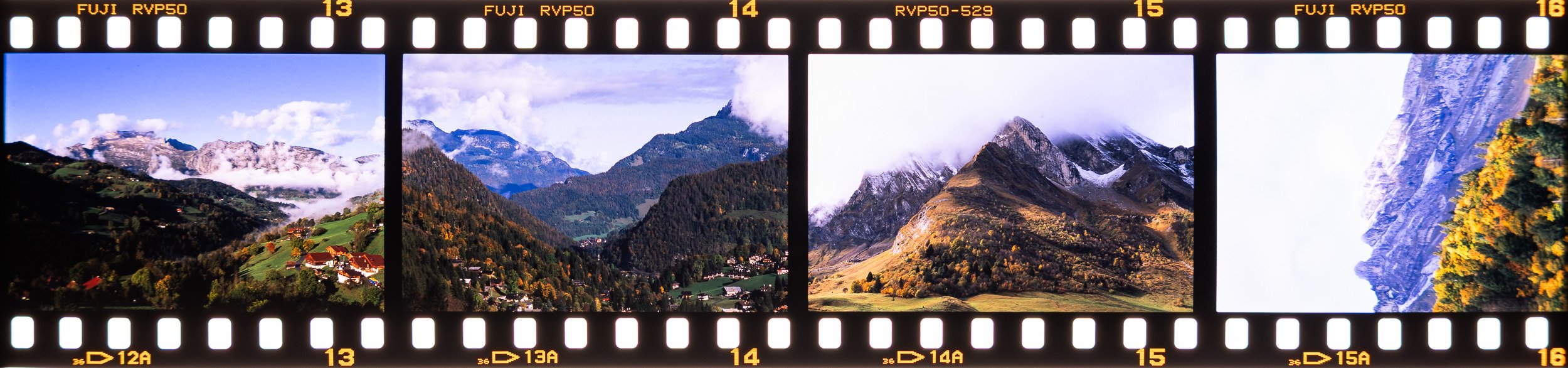


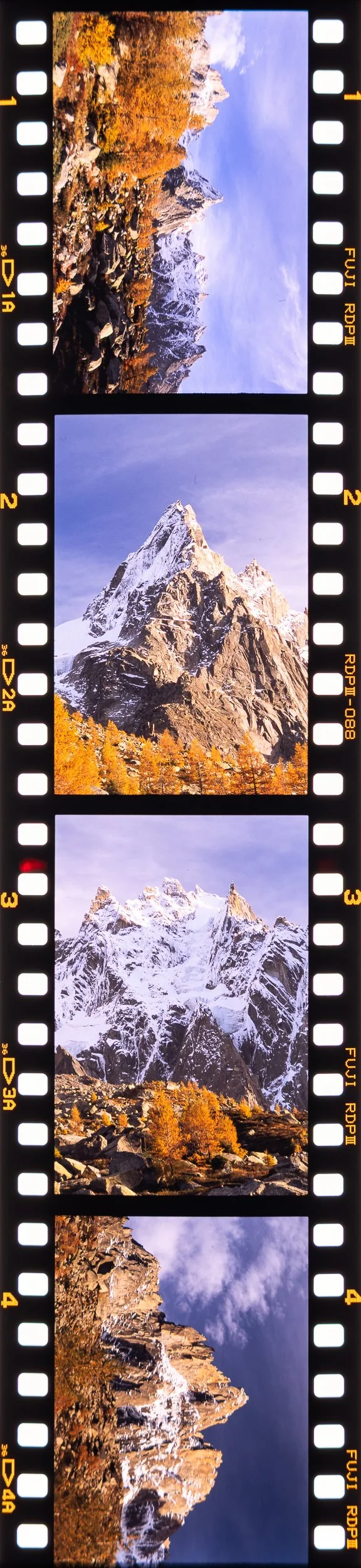
With the Tide

Moving to Vancouver Island deepened my connection to nature. It provided more opportunities to document wildlife and amplified my desire to work with sustainable outdoor-focused brands and tourism companies.
Many people assume that moving to Vancouver Island means you'll end up in Victoria, a vibrant historical city with a rich cultural blend. However, I decided to settle further north in Nanaimo. This location places me in the heart of the island, providing easy access to both the rugged coastline and the secluded wilderness. More importantly, nature is all around me. I feel incredibly fortunate to be just minutes from the ocean, where I can observe marine wildlife right from the shore.
More than ever, I want my work to highlight the importance of protecting natural spaces and wildlife. Through photography and filmmaking, I aim to tell stories that cultivate awareness and appreciation for the lands, seas and species around us.


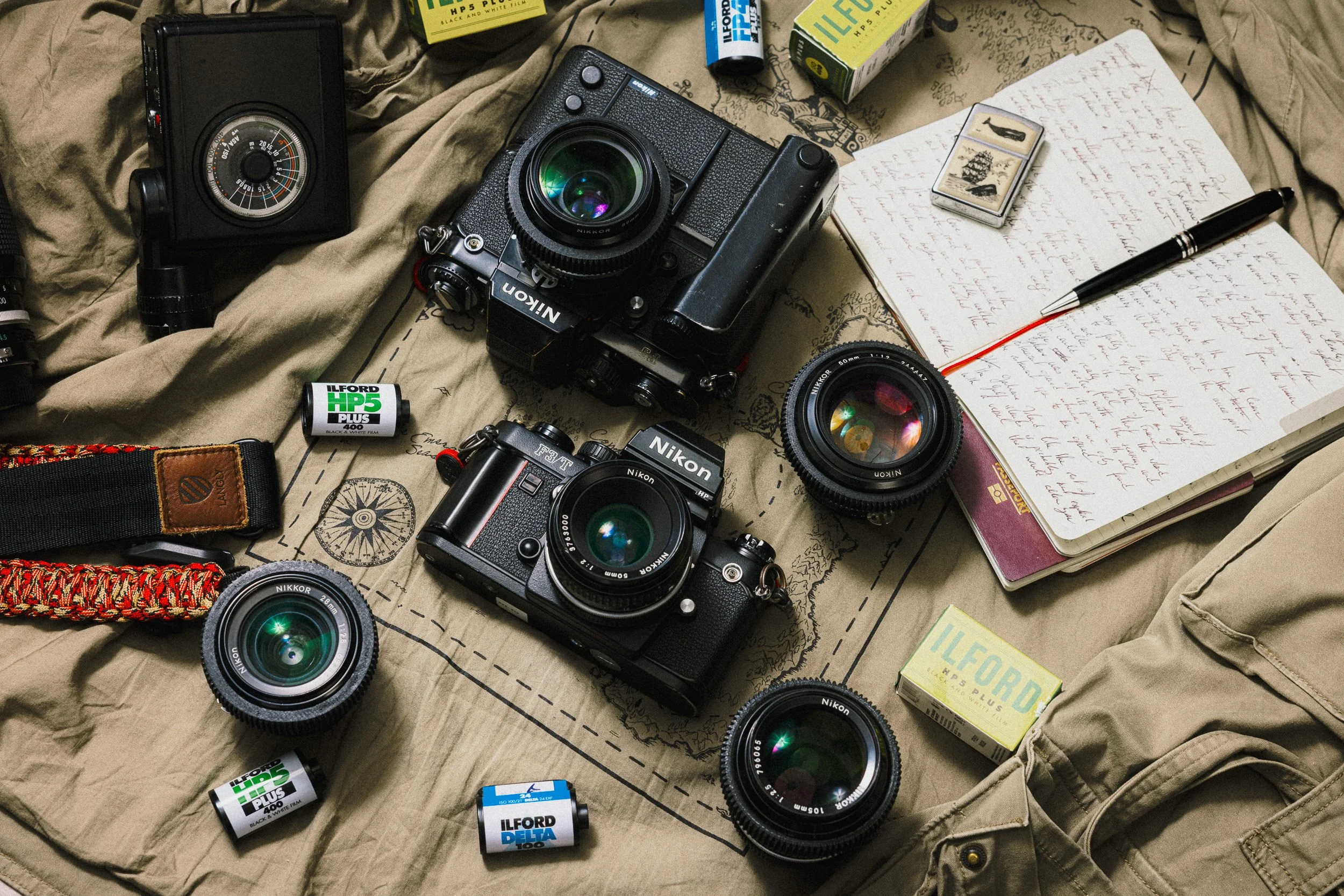
Beyond photography and video production, I also run a YouTube channel where I share a bit of everything: gear reviews, film photography insights, filmmaking, and tutorials. It doesn’t fit into a niche, which the YouTube algorithm doesn’t exactly love.

Sharing the Process
I also write for Moment Journal and publish articles on Medium. All of this comes together here on my blog—a space where I share my writings, videos, and thoughts on photography, along with new content I’ll continue to develop over time.
