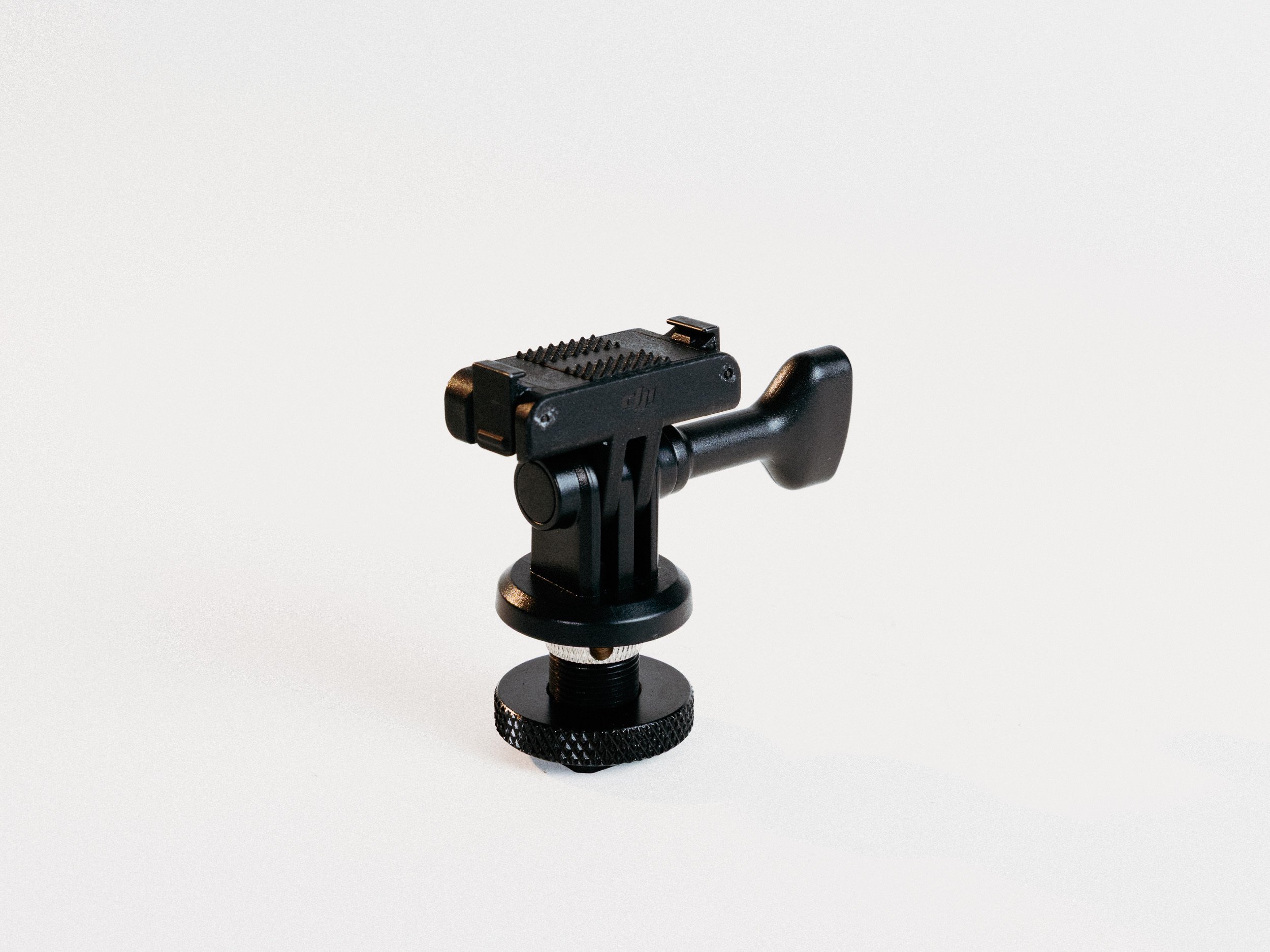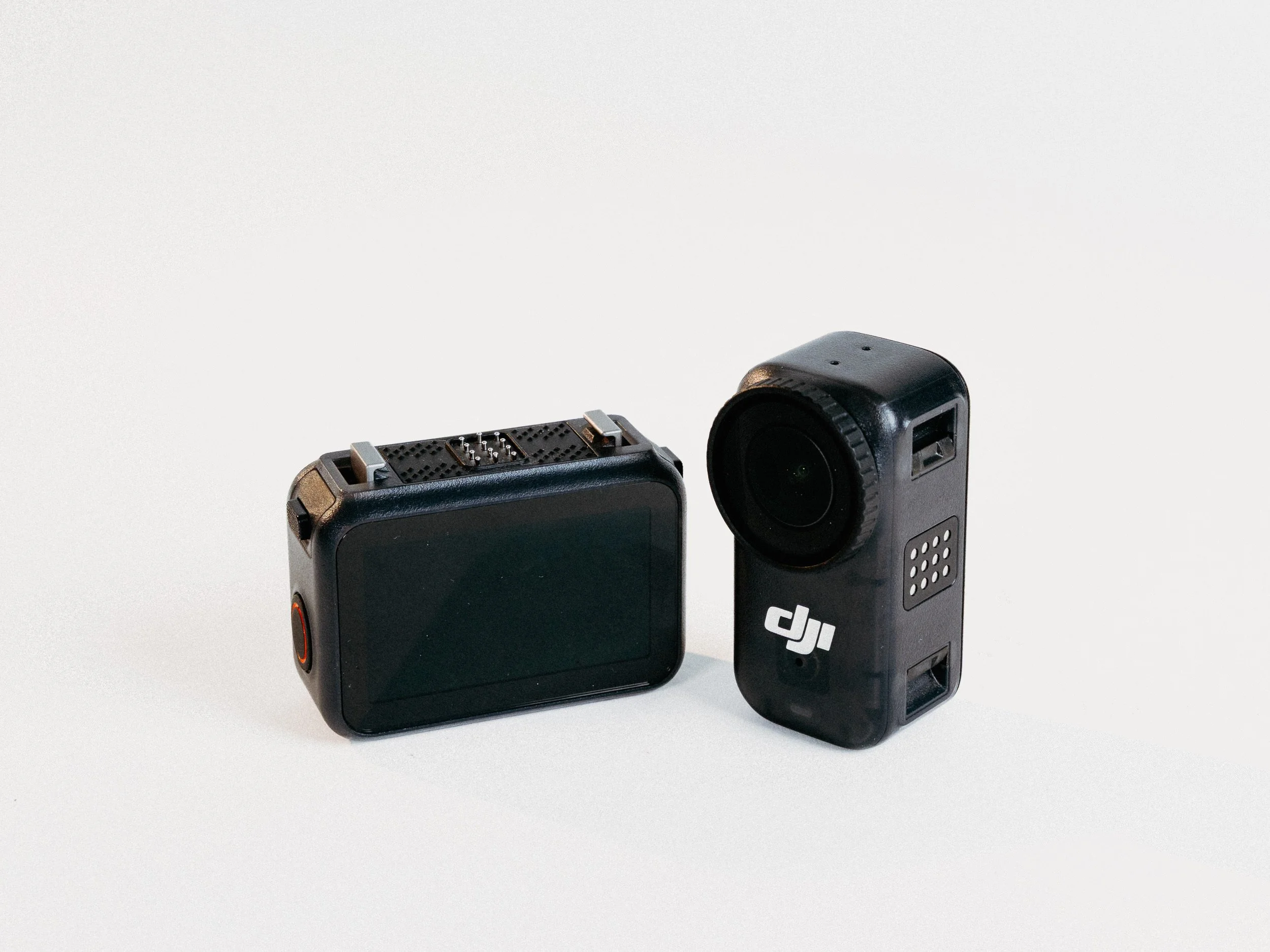
DJI Osmo Nano
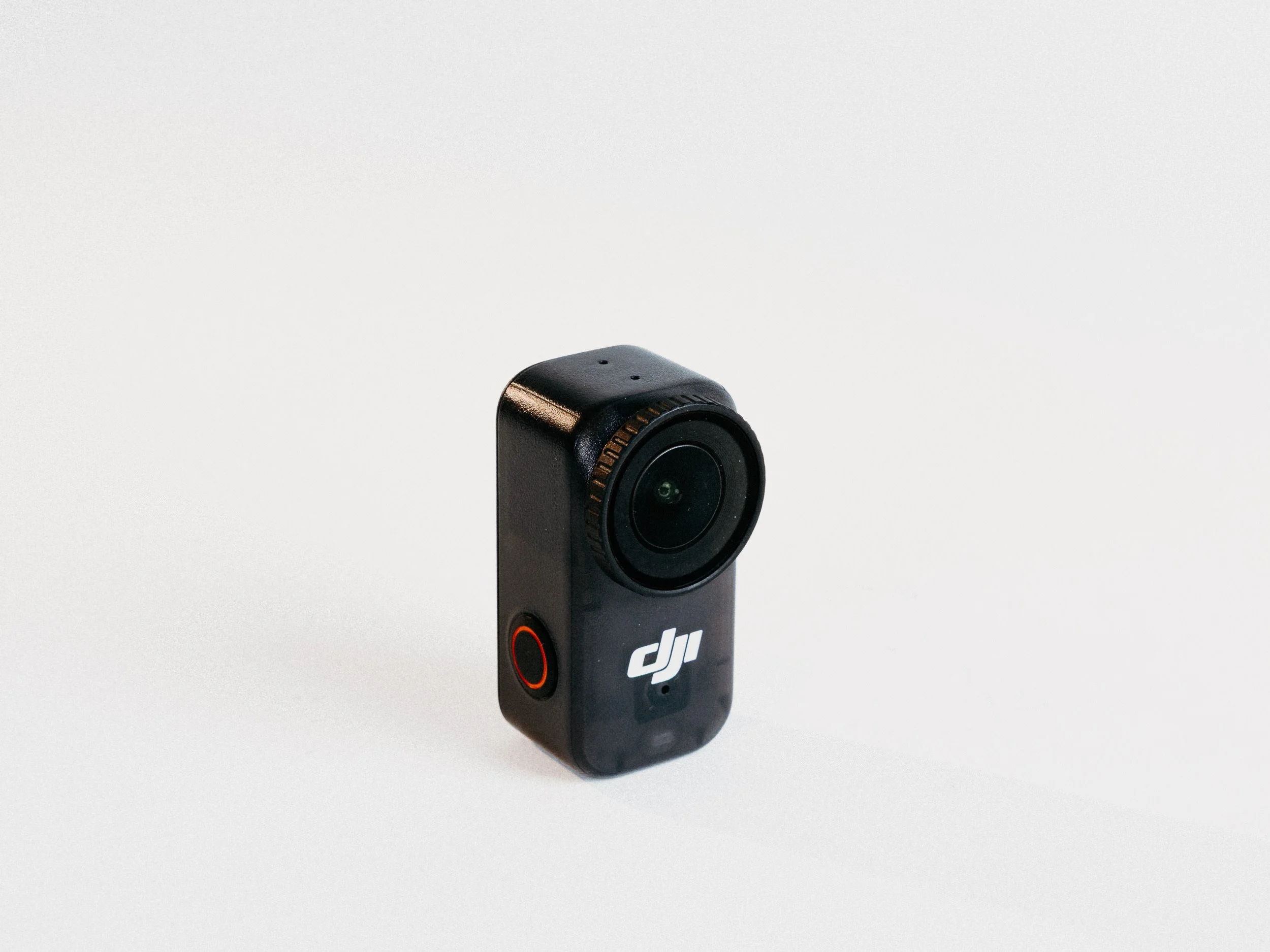
DJI OSMO Nano
-
1/1.3-inch CMOS sensor, 143° field of view, f/2.8 lens, and 0.35m to infinity focus range.
Approx. 35MP stills with JPEG/RAW capture.
4K 4:3 video up to 50 fps and 4K 16:9 video up to 60p.
Slow motion up to 4K/120, 2.7K/120, and 1080p/240.
MP4 recording in HEVC with up to 120 Mbps bitrate, 10-bit D-Log M colour performance, and 48 kHz 16-bit AAC audio.
RockSteady 3.0 and HorizonBalancing electronic stabilization.
64GB or 128GB built-in storage, microSD expansion up to 1TB, pre-recording, hyperlapse, and timelapse modes.
52g camera body, 10m waterproof camera, magnetic wearable design, Multi-functional Vision Dock, and OsmoAudio direct microphone connection.
Battery rated up to 90 minutes for the camera or up to 200 minutes with the Vision Dock in controlled 1080p/24 testing.
-
While the Action 5 Pro has a place in my camera kit, one of the main reasons I originally bought it was for BTS and POV angles. It can do that, but it is still fairly bulky and heavy once you start mounting it on a body, strap, hat, small rig, or awkward corner of a setup. The DJI Osmo Nano feels like DJI’s answer to that problem. It is basically the Action 5 idea, but in a much smaller wearable body.
I am still testing it, but so far the image quality feels very close to the Action 5 Pro, which makes sense since it uses a similar 1/1.3-inch sensor and the same general DJI colour/stabilization ecosystem. The size, however, is the real selling point. The other day, I had it sitting in my shirt pocket, and when I pulled it out, I had that small moment of disbelief: this tiny thing can shoot 4K footage in Log.
For me, the Osmo Nano is the small “always available” action camera in the kit. It makes the most sense when the camera needs to disappear into the setup: clipped to a strap, mounted to a small rig, tucked somewhere discreet, or used for quick POV angles where a larger action camera would be too visible, too heavy, or too annoying to mount.
The Good:
Extremely compact, lightweight, and wearable.
Great for discreet POV angles, BTS footage, travel, and small mounted shots.
Image quality is surprisingly close to the Action 5 Pro for the size.
4K Log capture from something this small is genuinely impressive.
Built-in 64GB or 128GB storage keeps the setup simple.
Easier to mount than a standard action camera.
Works well with DJI Mic 2 and the Vision Dock together thanks to recent firmware updates.
Magnetic design makes it faster to place and reposition.
The Bad:
Smaller body still means compromises, especially battery life and handling.
Less flexible than a full-size action camera for some setups.
Needs the right accessories to really shine.
Built-in storage is convenient, but still requires a careful offload workflow.
No timecode.
Not the best choice if image quality is the only priority.
-
Get it if you want a tiny POV/action camera that is easier to wear and mount than a full-size action camera.
Get it if mounting flexibility matters more than traditional camera handling.
Get it if you shoot BTS, travel clips, body-mounted angles, or quick behind-the-scenes footage.
Get it if you already use DJI microphones, apps, or action cameras and want something smaller in the same ecosystem.
Pass if you prefer a larger screen and the traditional action-camera body.
Pass if you need timecode.
Pass if you are looking for the best possible image quality from an action camera.
-
Similar to other DJI action cameras, the Osmo Nano is sold in different combos built around specific activities such as skiing, biking, hiking, and more. If you already know exactly how you plan to use it, the matching bundle may make sense. However, if you are not sure, I would start with the Standard Combo. It already includes the essentials: the magnetic lanyard for neck wear, the excellent dual-direction magnetic ball-joint with suction cup, and the hat clip.
As for 64GB vs 128GB, I was originally going to buy the 64GB version because of the price. Unfortunately, a few days before purchasing, there was a $100 price increase in Canada, which made the 64GB version very close to the 128GB version. For about $20 more, the 128GB model made more sense.
Keep in mind that you cannot insert a microSD card directly into the Nano camera body. The microSD card goes into the dock and is used to transfer footage from the internal memory, so the internal storage size matters more than it would on a traditional action camera.
On the 128GB version, with about 107GB usable, you can record roughly 2 hours and 10 minutes in 4K 24p 4:3 at High Bitrate (120 Mbps). In Standard Bitrate, that jumps to about 4 hours and 24 minutes.

ACCESSORIES
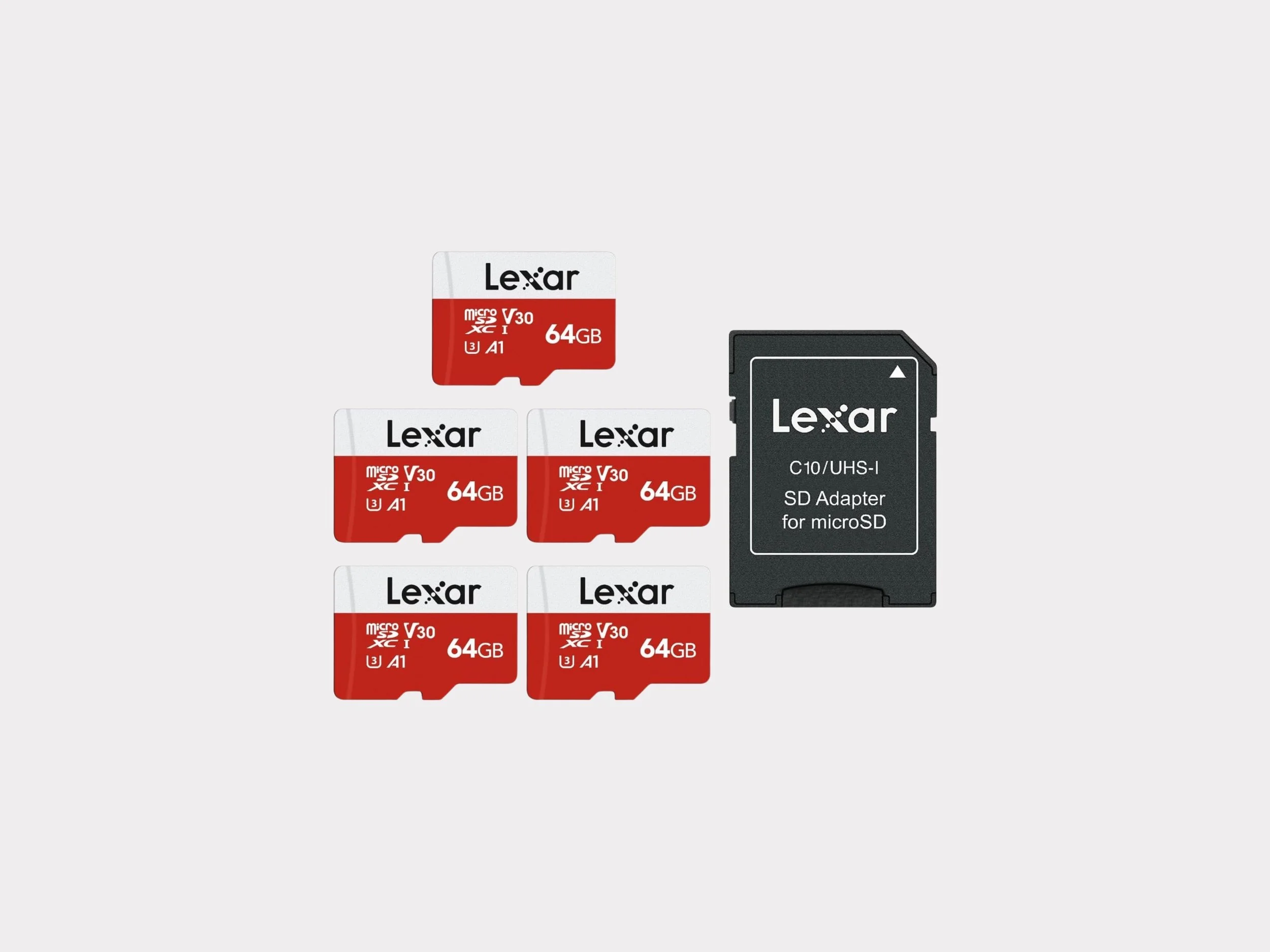
Lexar E-Series 64GB Micro SD Card Pack
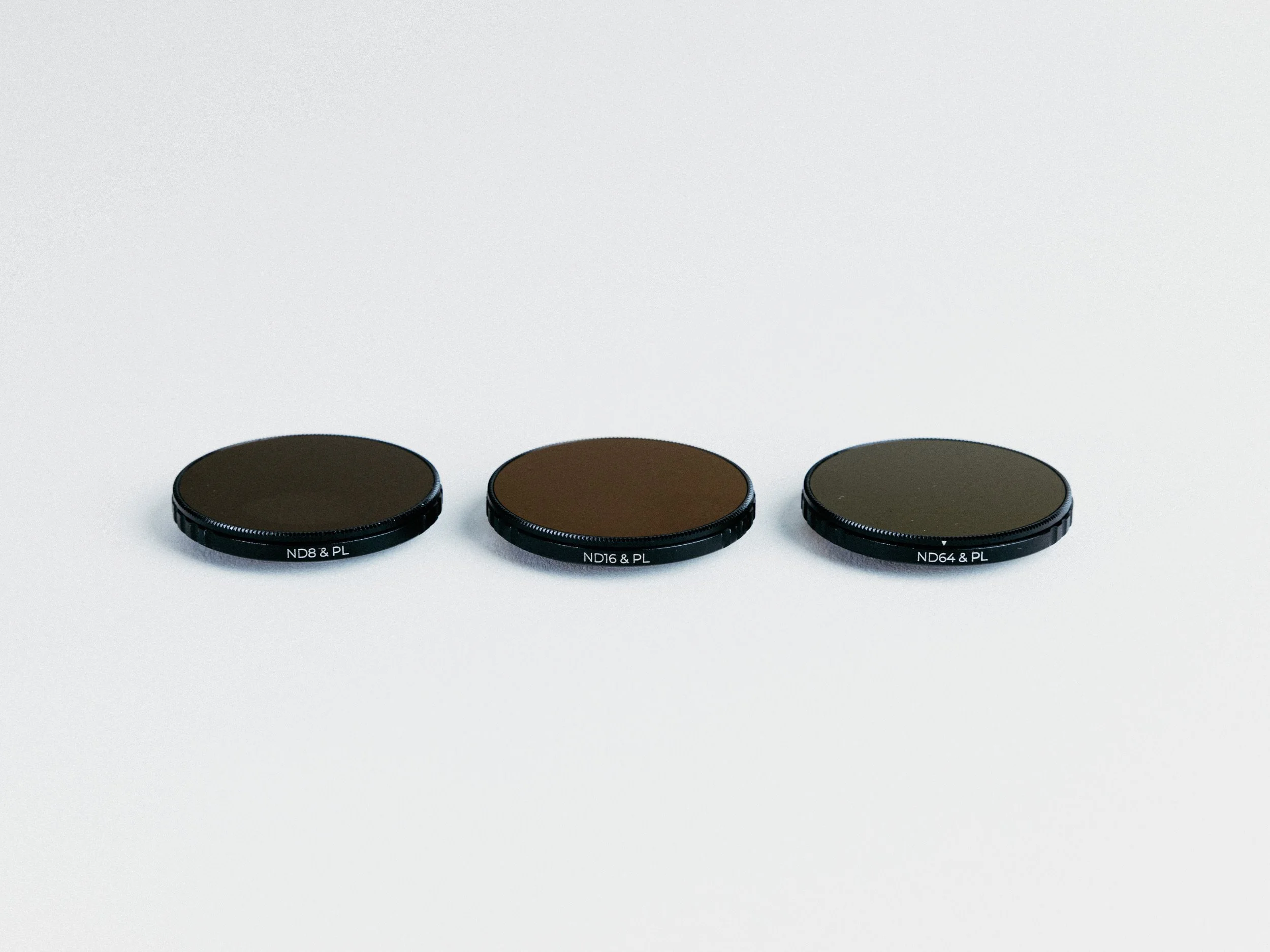
K&F CONCEPT ND/PL Filter Kit
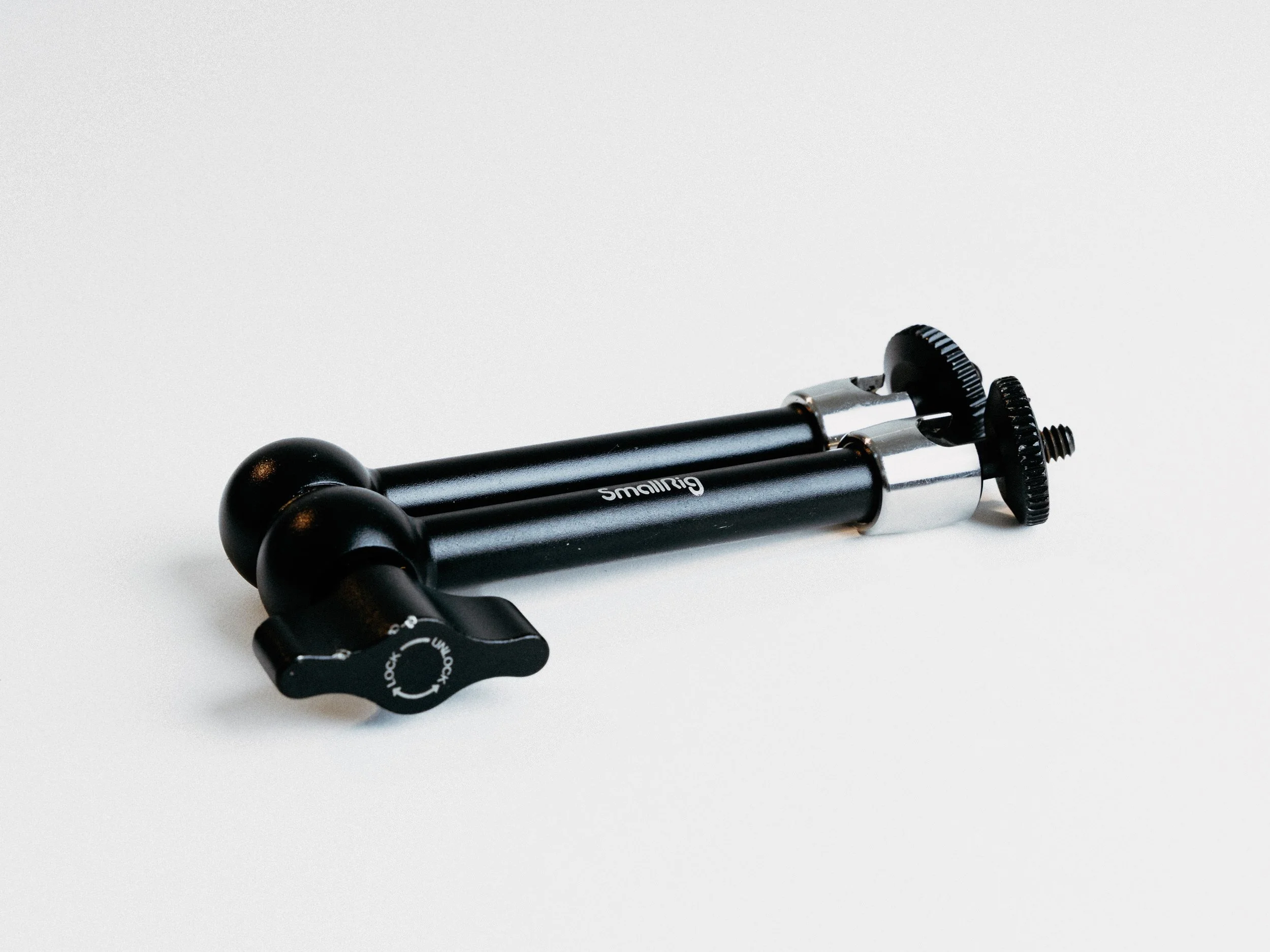
SmallRig Magic Arm with Super Clamp (5605)
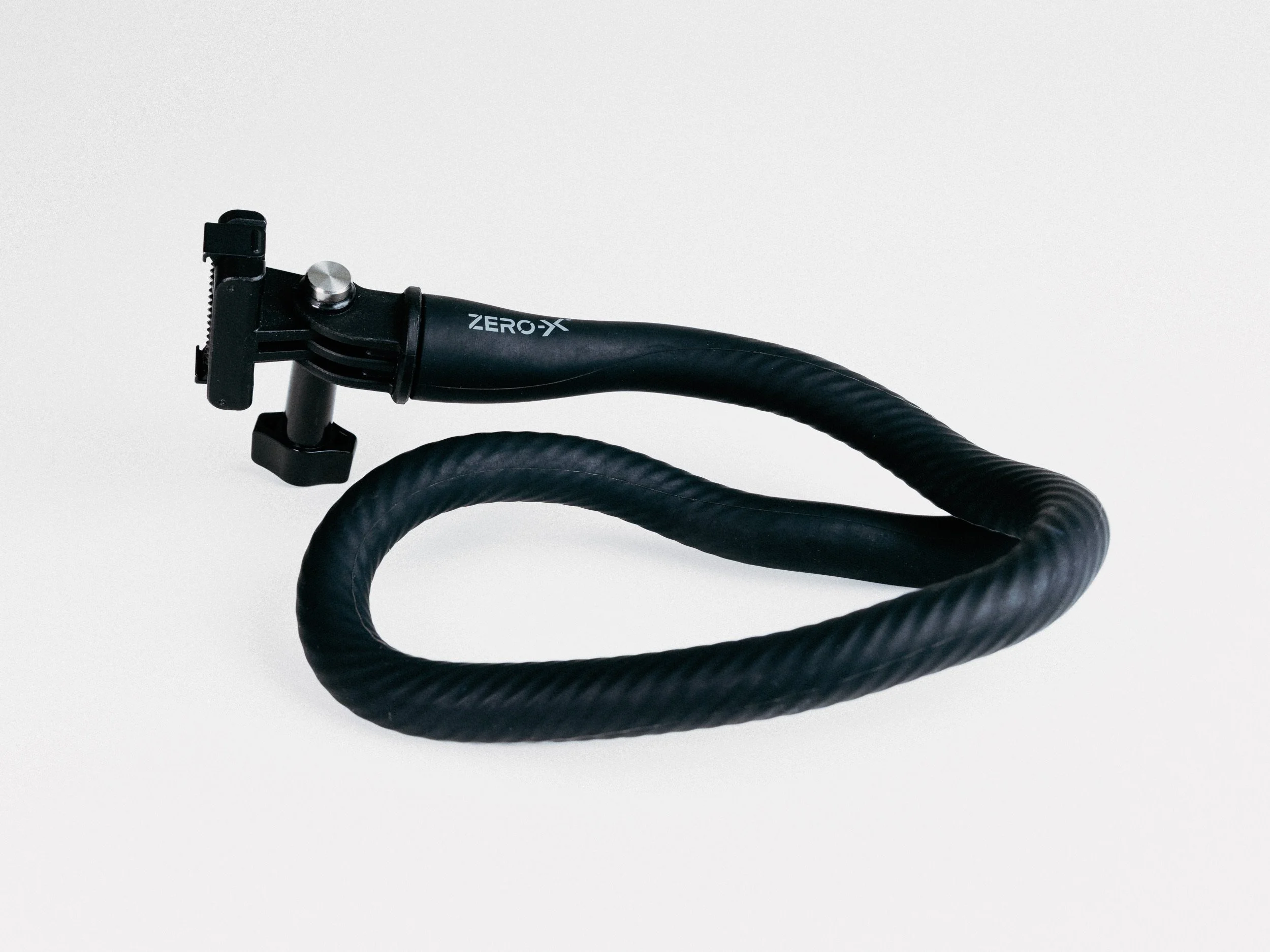
Zero-X Barflex Flexible Action Camera Mount (ZXC-ACZ04)
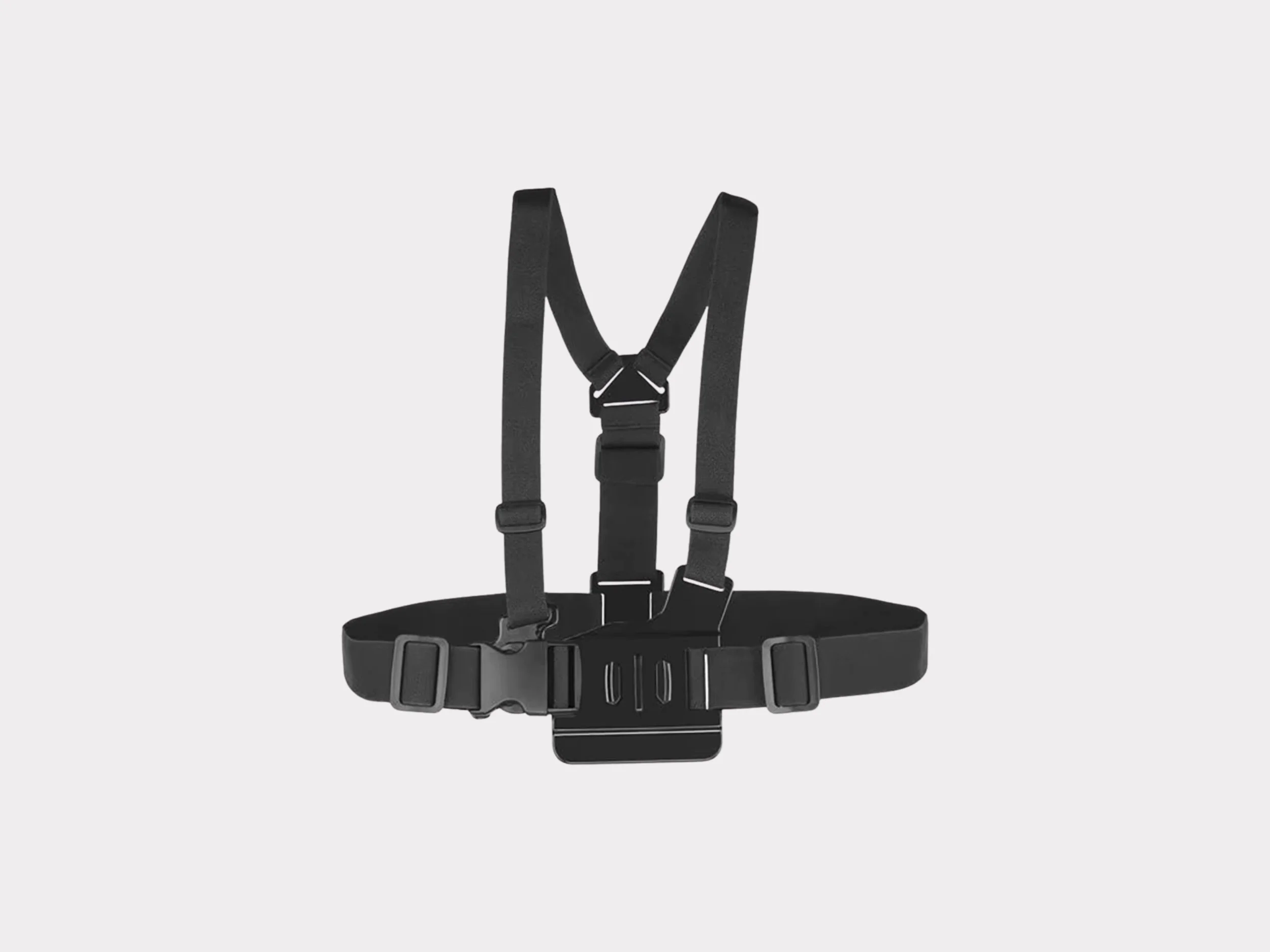
K&F CONCEPT 4-in-1 POV Mount Kit Plus
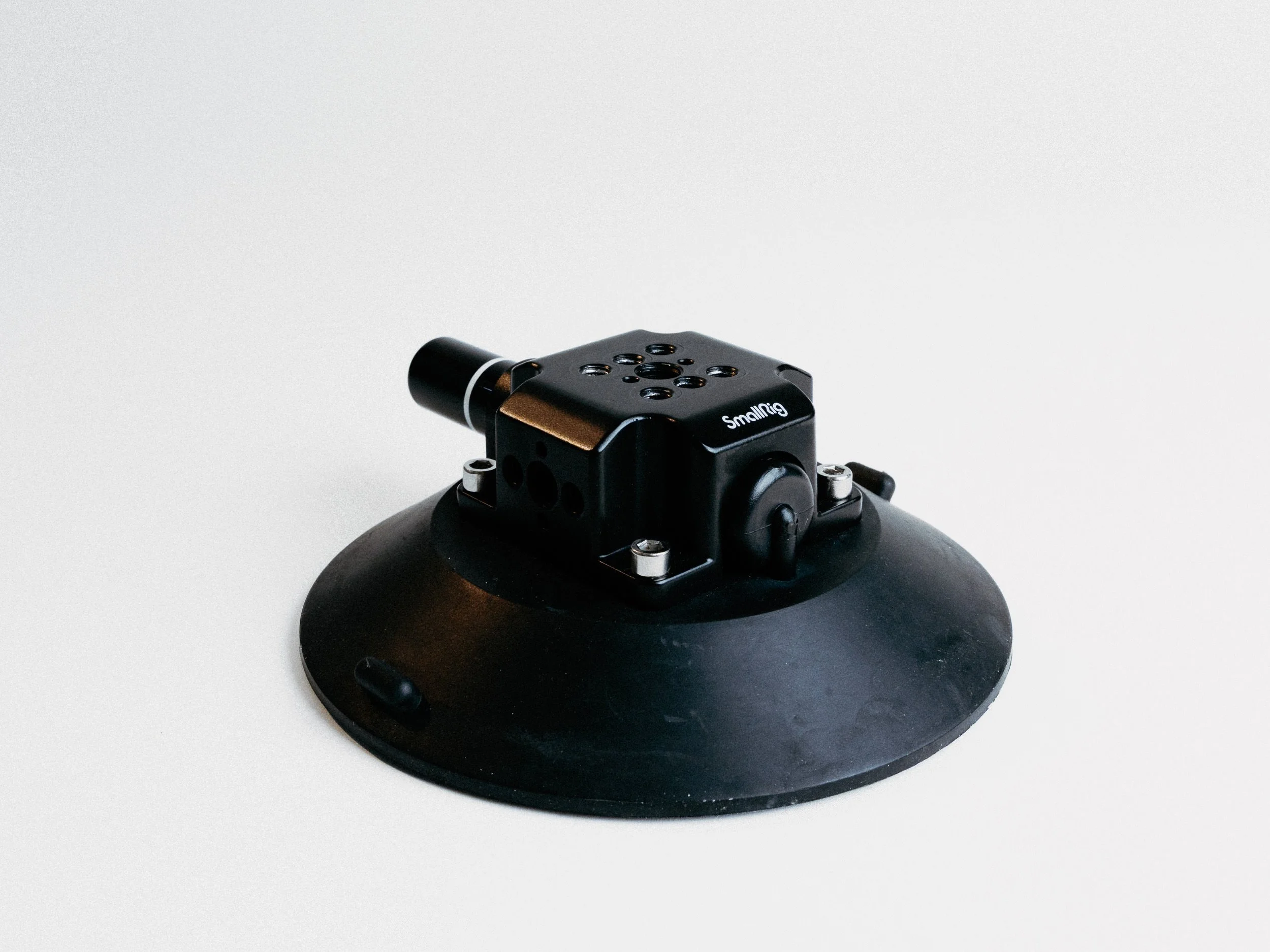
SmallRig 6″ Suction Cup Camera Mount (4114)
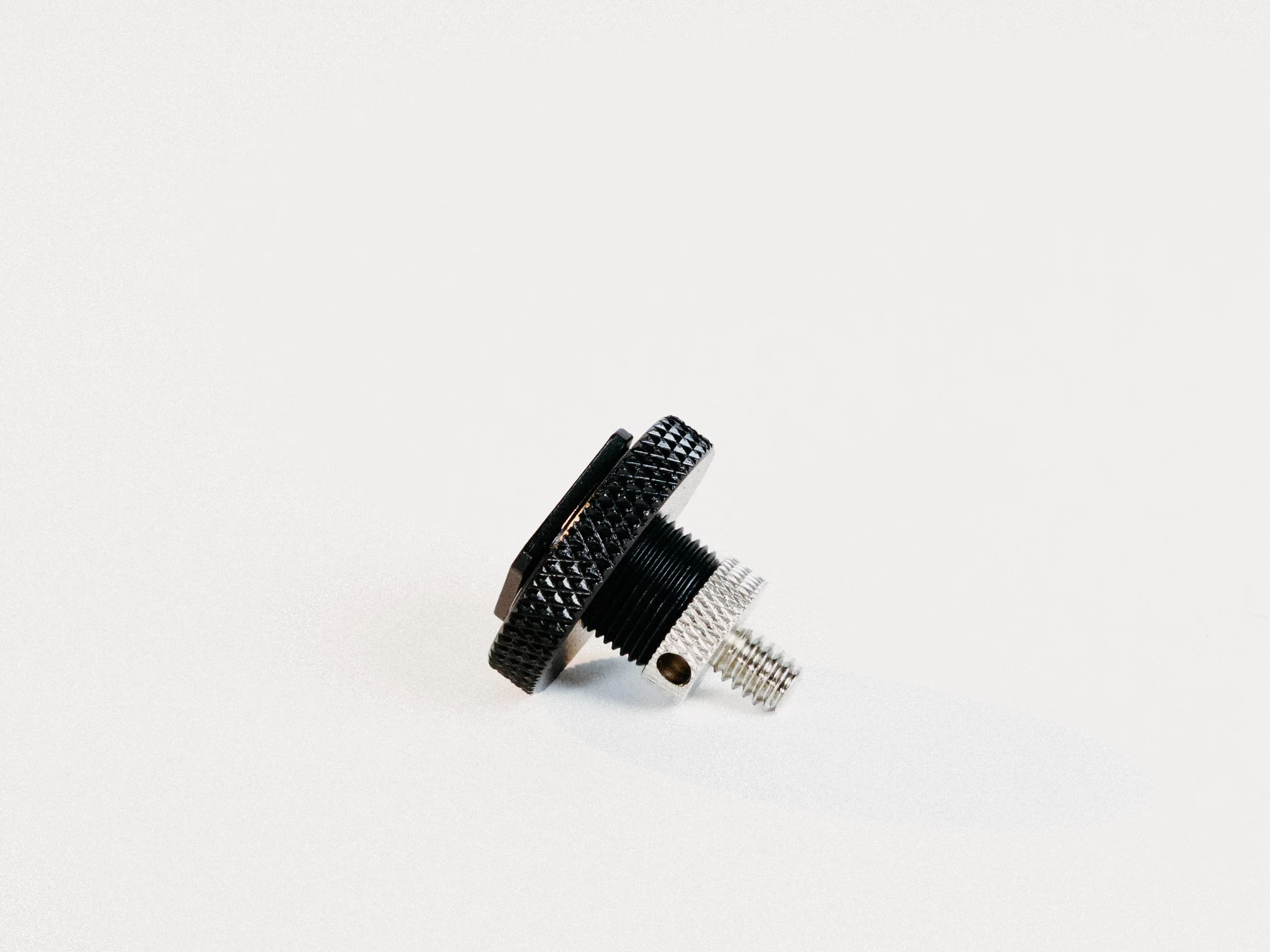
Atmoshue 1/4" Female Thread to Hot Shoe Adapter
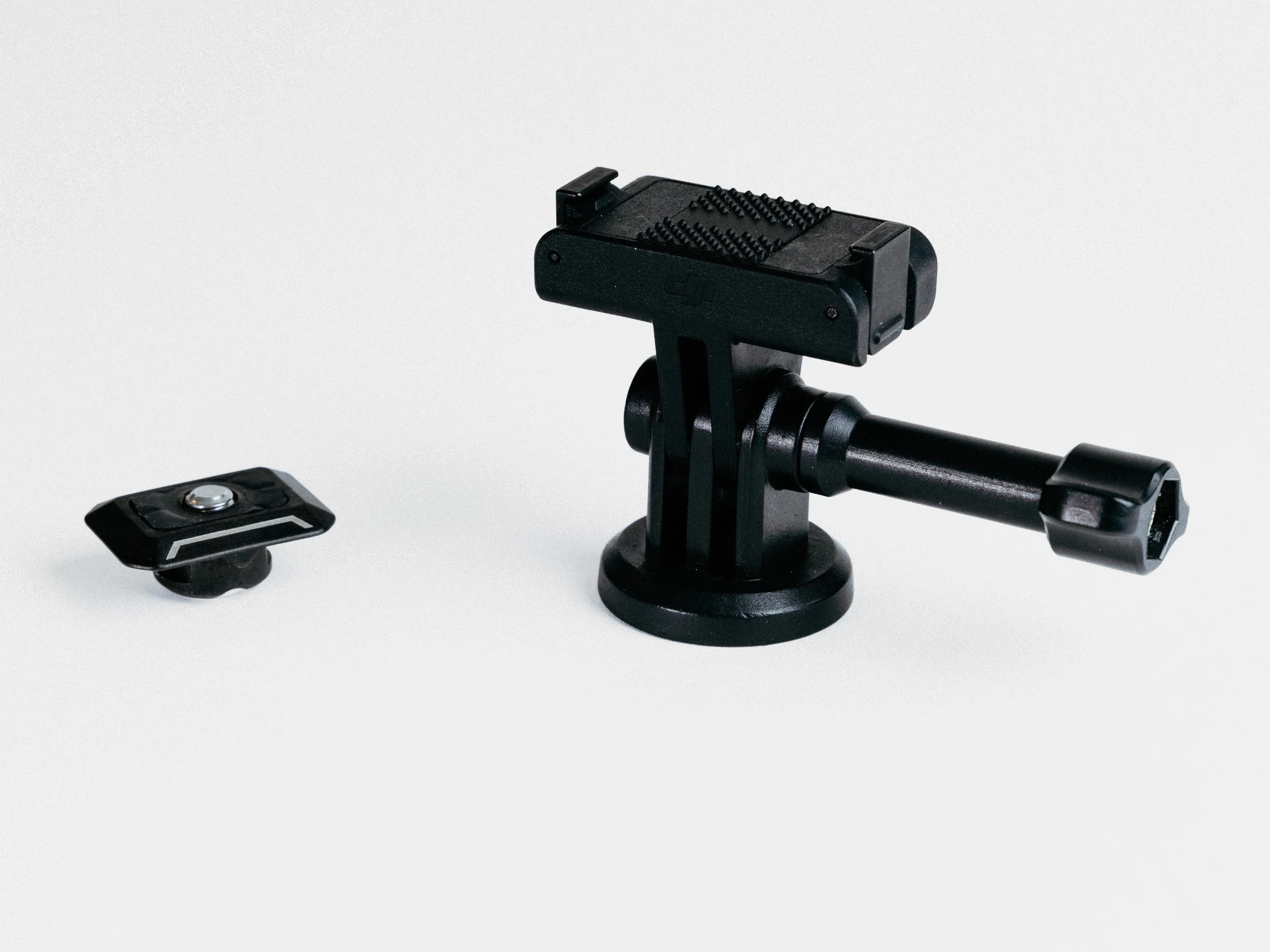
DJI Osmo Dual-Direction Quick-Release Adapter Mount + ¼ Adapter + Smallrig Hawklock
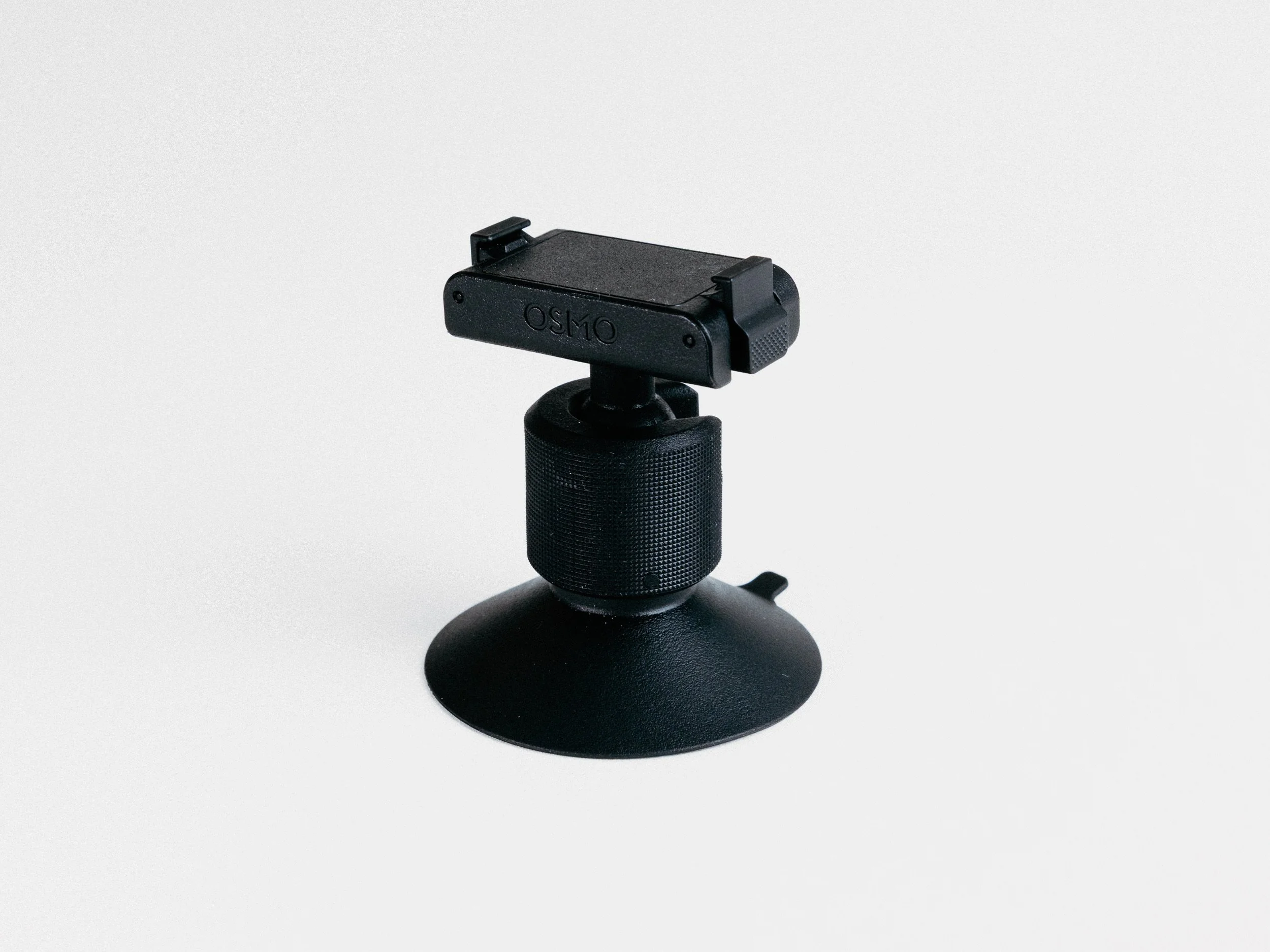
DJI Osmo Nano Dual-Direction Magnetic Ball-Joint Adapter Mount
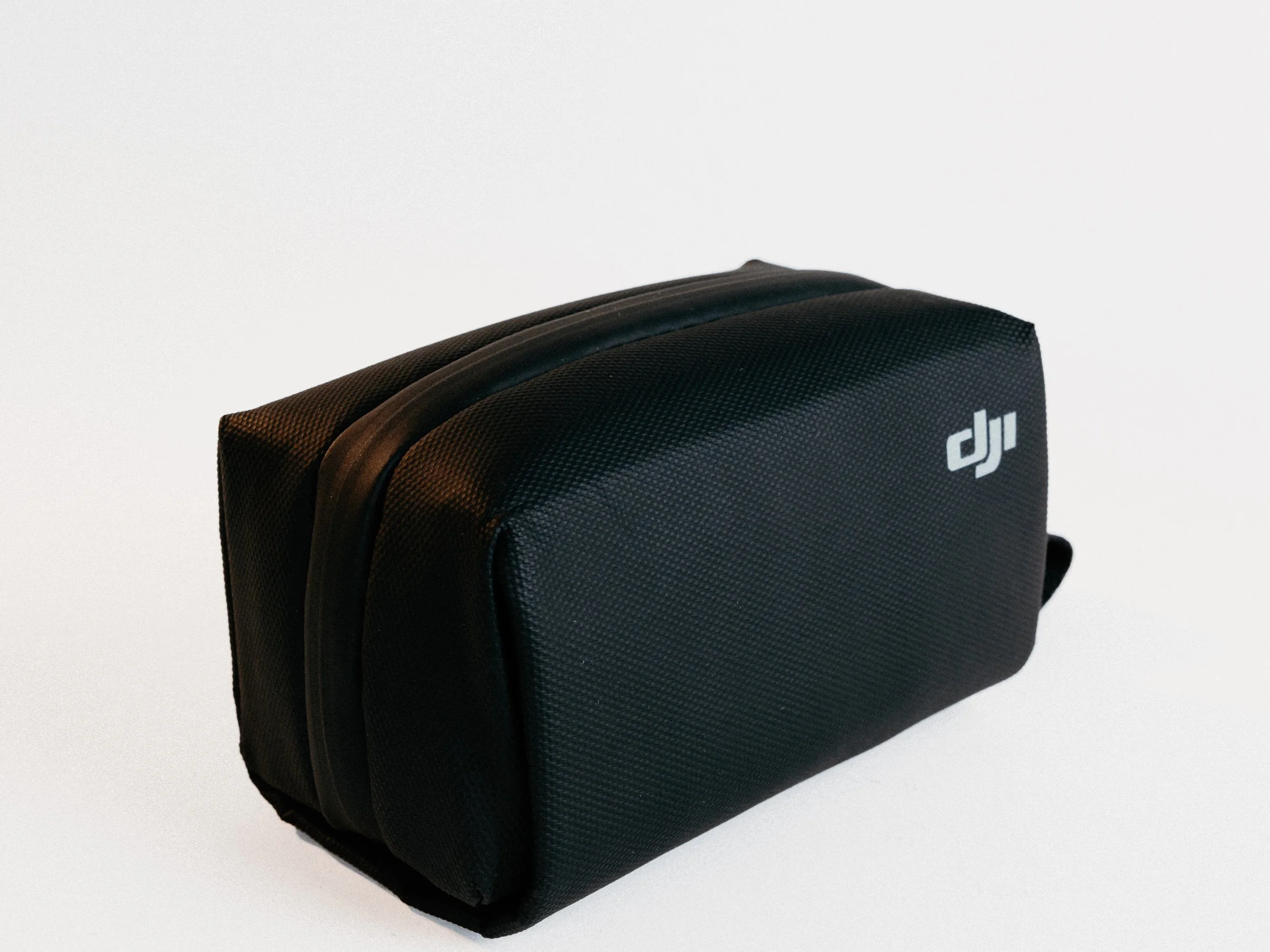
DJI Carrying Case
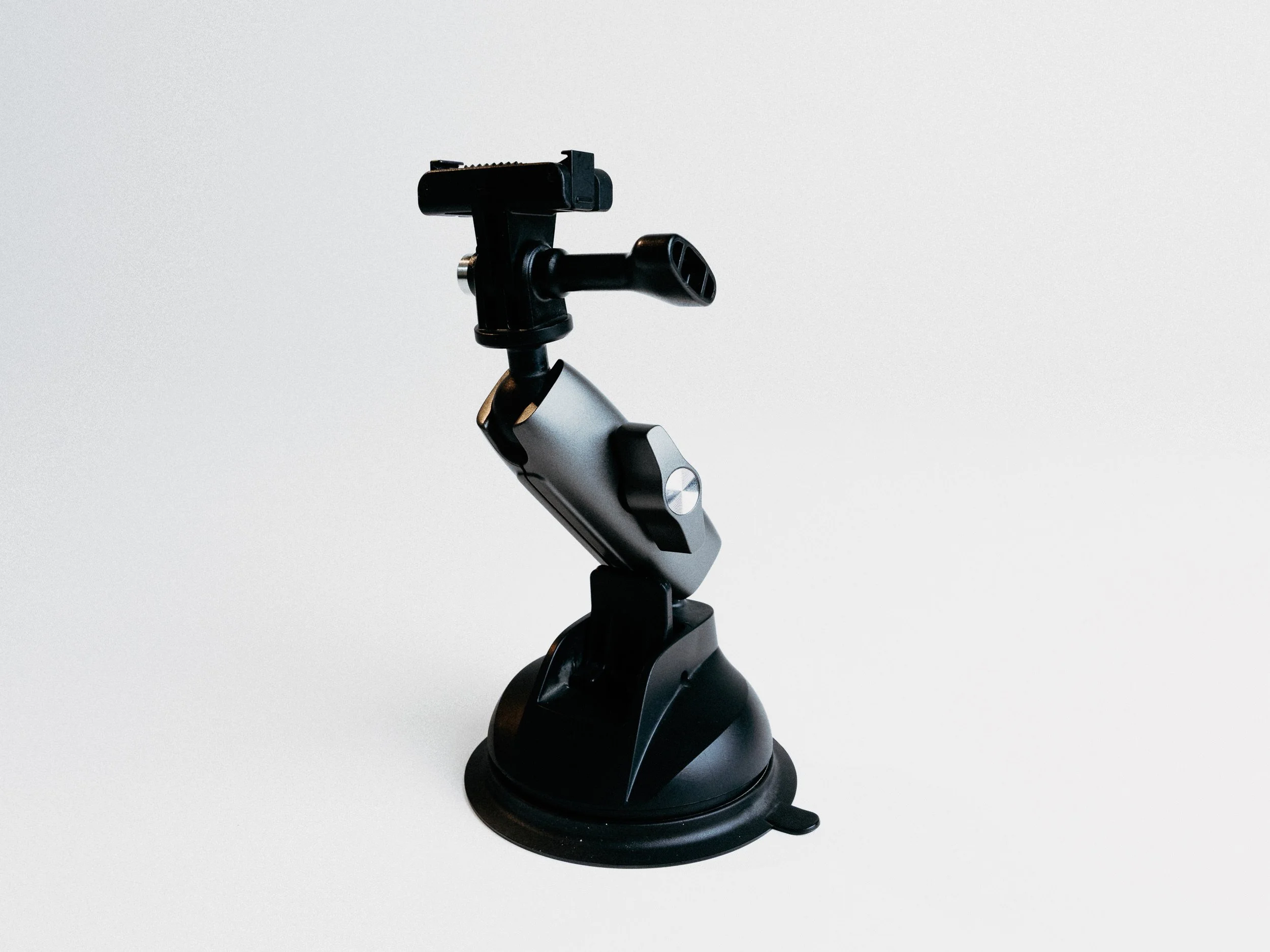
Telesin Aluminum Alloy Suction Cup
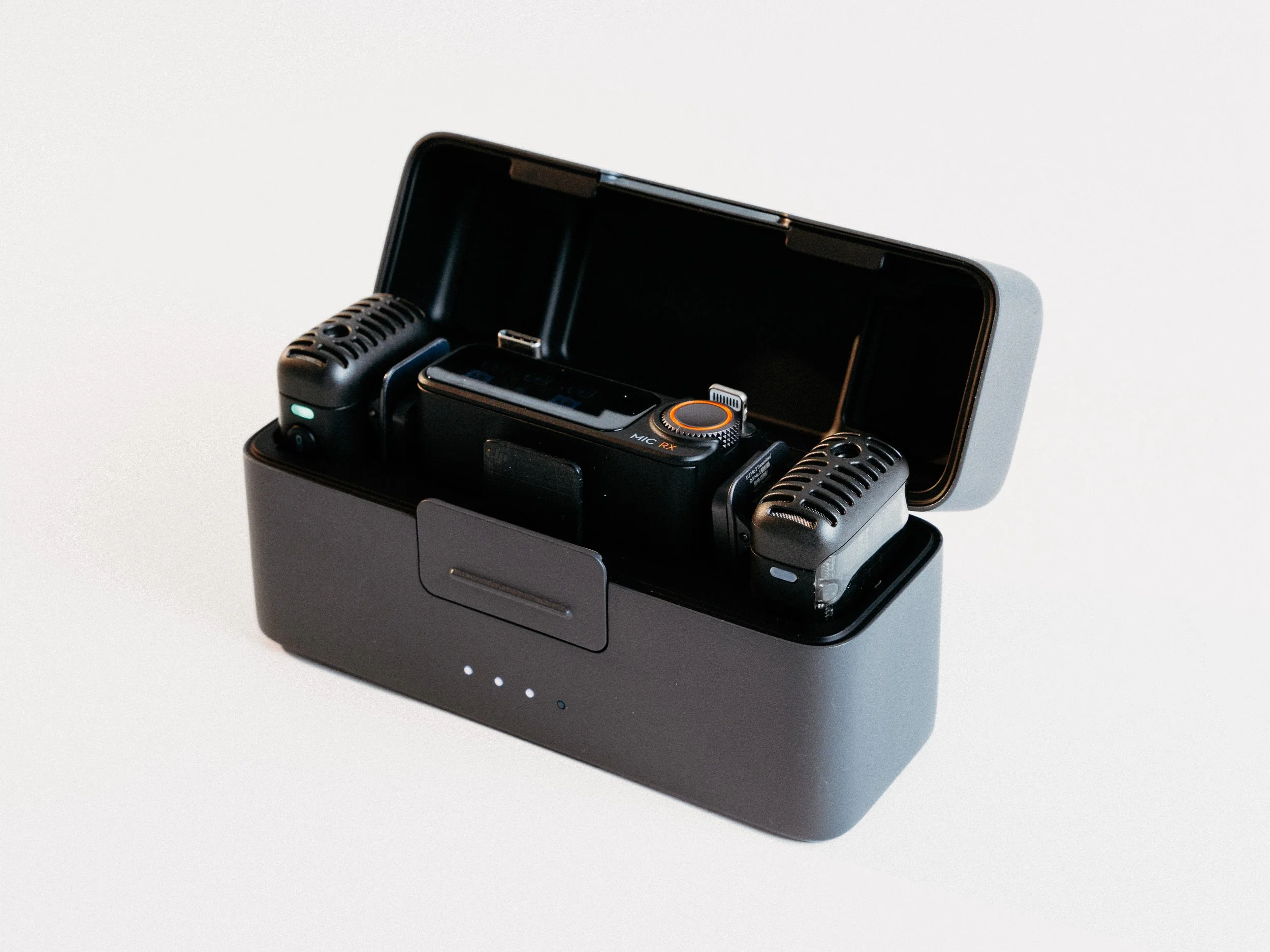
DJI Mic 2