DJI OSMO
Action 5 Pro
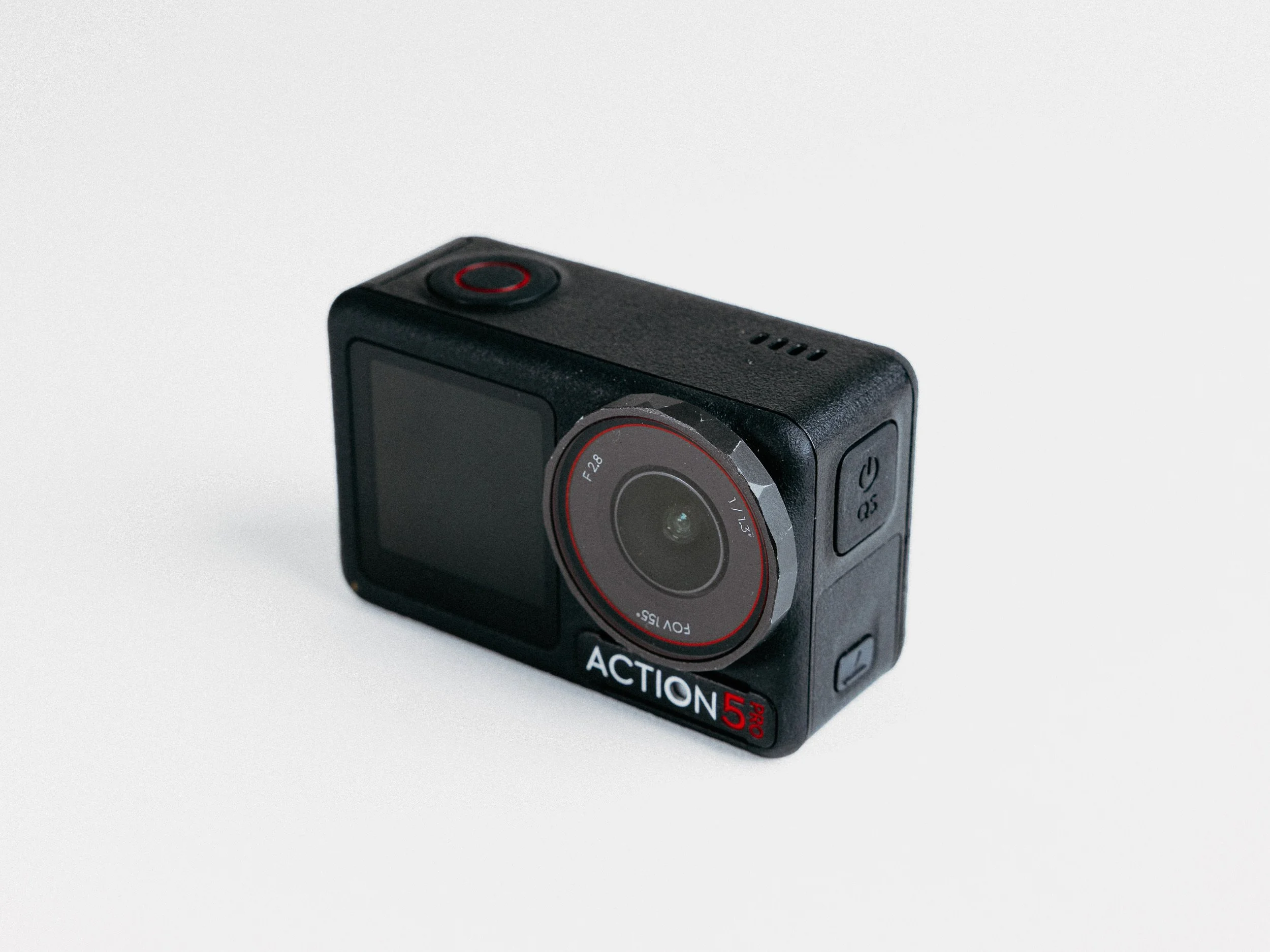
DJI OSMO Action 5 Pro
-
1/1.3-inch CMOS sensor with 155° field of view, f/2.8 lens, and 0.35m to infinity focus range.
Approx. 40MP stills with JPEG/RAW capture.
4K 4:3 video up to 120 fps.
4K 16:9 video up to 120 fps, plus 2.7K and 1080p modes with slow-motion options up to 1080p/240.
MP4 recording in HEVC with up to 120 Mbps bitrate, 10-bit D-Log M/HLG support, and 48 kHz 16-bit AAC audio.
RockSteady 3.0, RockSteady 3.0+, HorizonBalancing, and HorizonSteady electronic stabilization modes.
64GB built-in storage, microSD expansion, timecode support, pre-recording, dual OLED touchscreens, and strong DJI Mic integration.
1950 mAh battery rated up to 240 minutes in controlled 1080p/24 testing.
-
The DJI Osmo Action 5 Pro was my first personal action camera. I bought it in early 2025 for a project that ended up being cancelled, but I decided to keep it because I liked the form factor and had already used action cameras to capture angles only a small camera could reach.
I chose the Adventure Combo mainly for the charging case and extra batteries. After a year and a half, I am still a bit divided on this camera. At first, I thought I would use it more for behind-the-scenes footage, but it turned out to be heavier and bulkier to mount than I expected for that specific use. These days, I mostly use it on cars, boats, or commercial shoots when I need “sketchy” angles, like inside an industrial machine, where a regular camera would be impractical or too risky.
Overall, it captures decent footage, and the 4:3 mode is genuinely useful for reframing. But like most action cameras, it comes with compromises. It is hard to keep a proper 180-degree shutter angle when the camera is mounted on a person, vehicle, or moving object because lower shutter speeds work against the electronic stabilization and can create artifacts. To get the best stabilization, you often need higher shutter speeds, which gives the footage a more action-camera look.
The Good:
Rugged, compact, and easy to place where larger cameras cannot go.
Strong stabilization for handheld and mounted footage, as long as you use higher shutter speeds.
4:3 aspect ratio is useful for reframing in post.
Works well with the DJI ecosystem, especially DJI Mic and the DJI app.
Front display is much more useful than I thought it would be.
Battery life is impressive compared with many other action cameras.
Does not overheat easily in my use.
Timecode support is a real plus for multi-camera workflows.
The Bad:
D-Log M is fine, but not extraordinary.
Footage can get noisy quickly and may require denoising.
Electronic stabilization works best with higher shutter speeds, making the 180-degree shutter rule harder to maintain.
Not always as easy or light to mount for BTS as I expected.
If image quality is the only priority, larger cameras or newer action cameras may be a better choice.
-
Get it if you need a reliable action camera for outdoor, vehicle, boat, POV, or unusual mounted angles.
Get it if you want a capable action camera at a lower price than the Action 6.
Get it if you already use DJI products and want maximum compatibility with DJI Mic and the DJI app.
Pass if your main goal is lightweight POV capture; the Osmo Nano may be better suited for that.
Pass if you are looking for the absolute best image quality from an action camera.
Pass if you want cinematic motion blur while relying heavily on electronic stabilization.
-
I chose the Adventure Combo for the battery case and the three included batteries. It also comes with a protective case that lets you mount the Action 5 Pro vertically. I mostly use the vlogging pole to dip the camera underwater from shore or a boat, though that is probably not its recommended use.
DJI offers many different combos for activities like hiking, biking, surfing, and more. If you already know exactly how you will use the camera, one of those niche combos may make sense. If you do not know where to start, I would get the Adventure Combo for the batteries and case, then add only the accessories you actually need.
Action 5 Pro or Action 6? That depends on whether you want the best image quality at a higher price, or a more affordable action camera that is still very capable and produces good footage. Depending on pricing, the difference can be around $300-$400.

ACCESSORIES
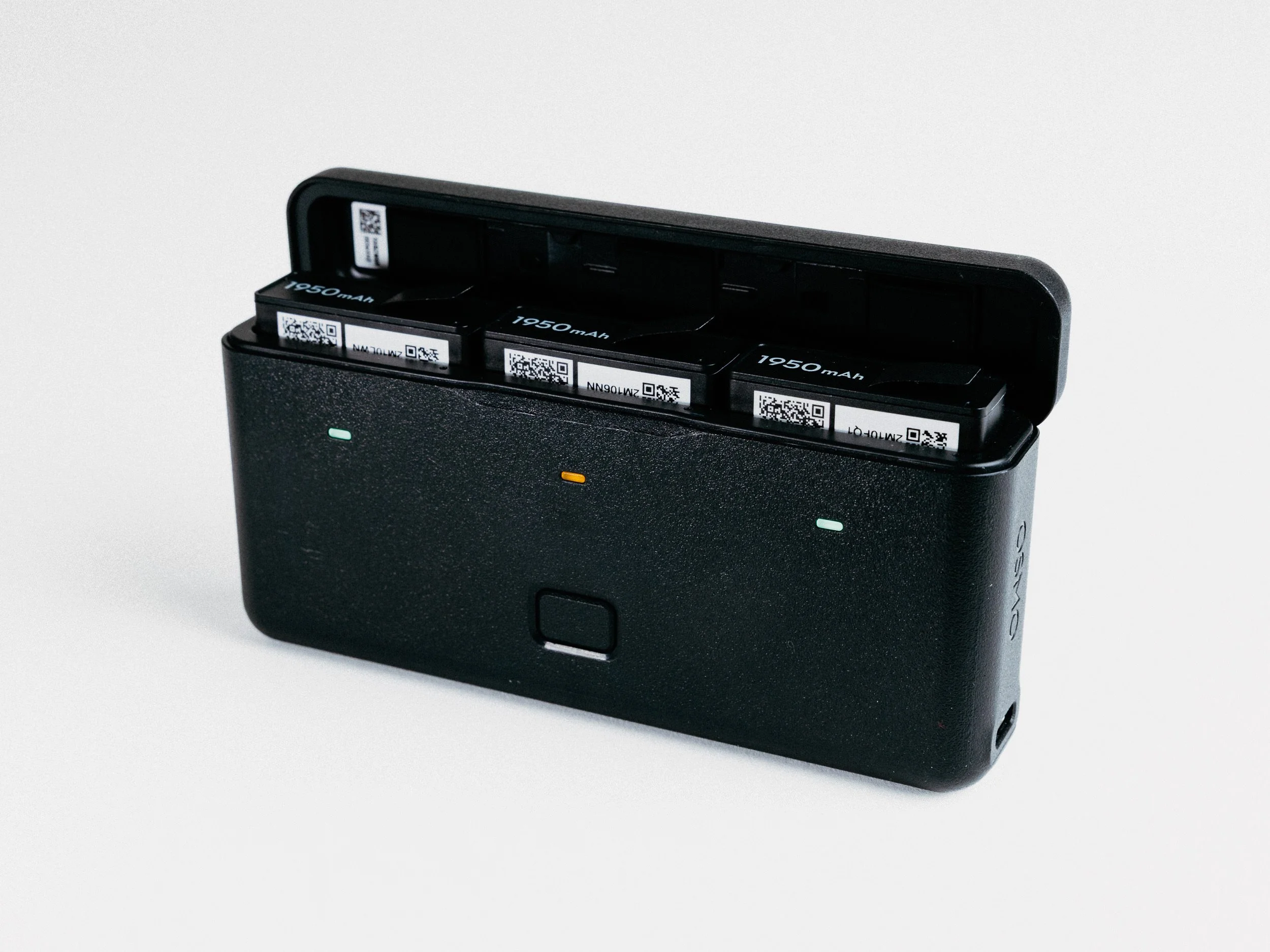
DJI Osmo Action Multifunctional Battery Case 2 (Case Only)
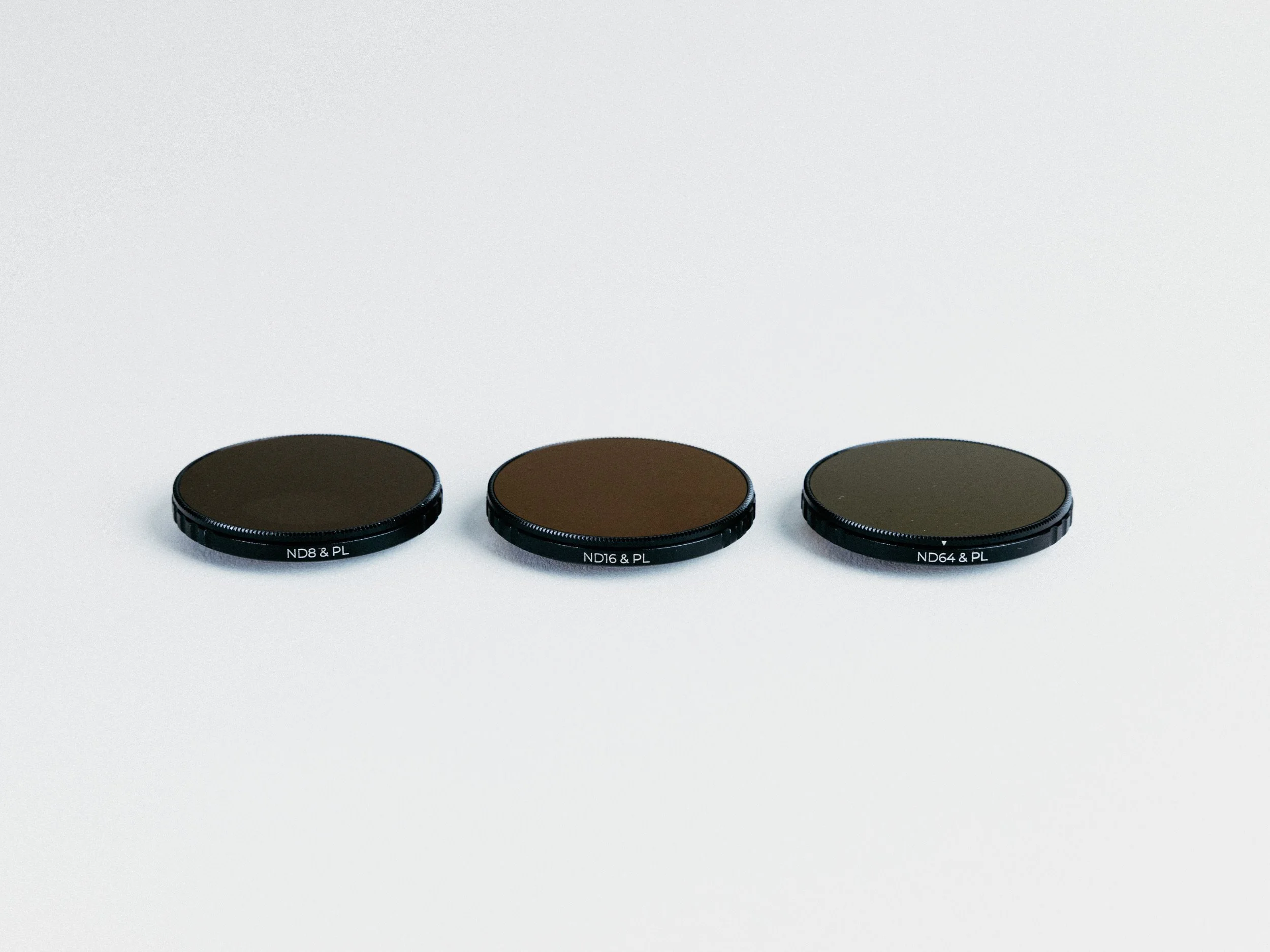
K&F CONCEPT ND/PL Filter Kit
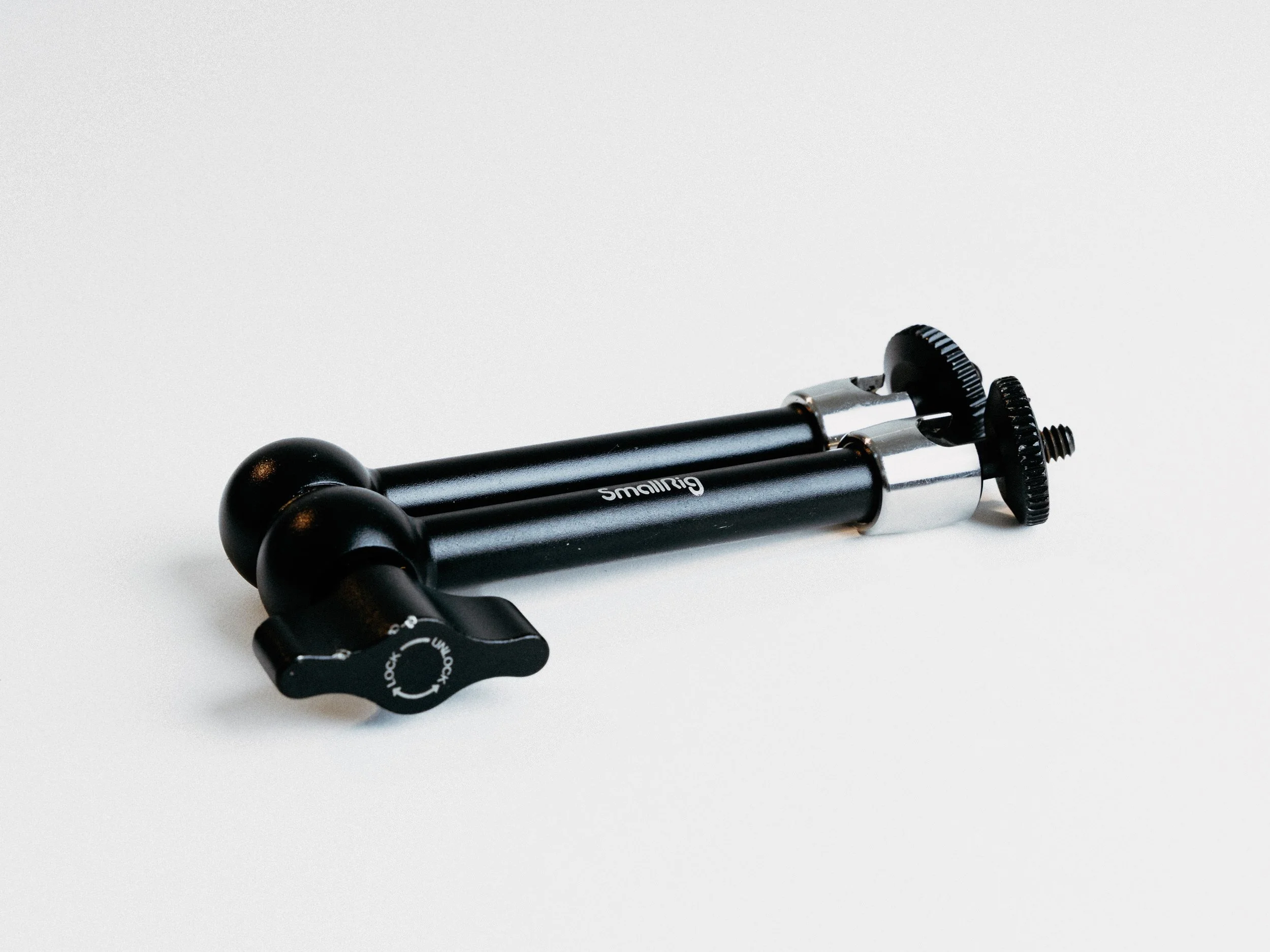
SmallRig Magic Arm with Super Clamp (5605)
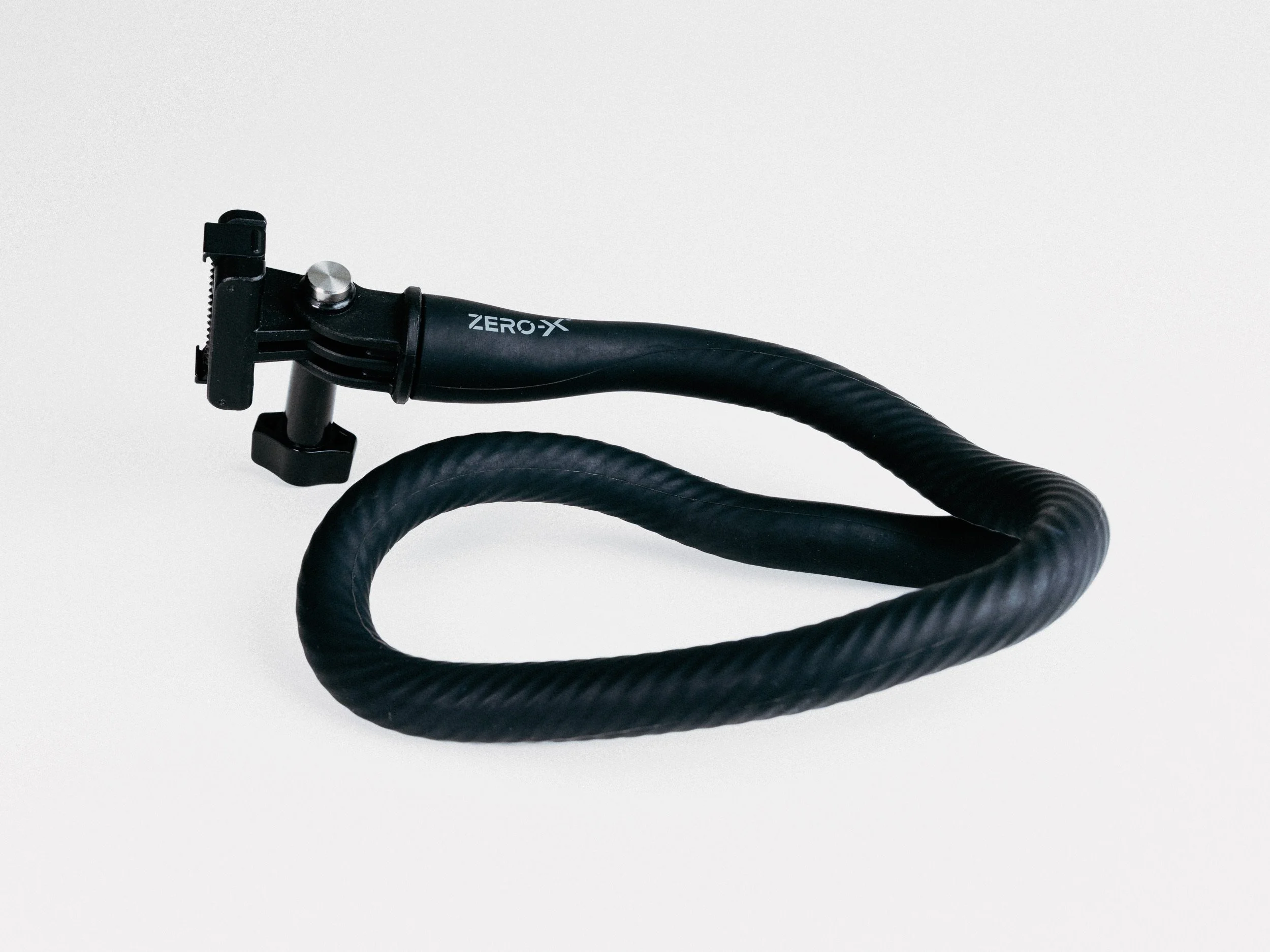
Zero-X Barflex Flexible Action Camera Mount (ZXC-ACZ04)
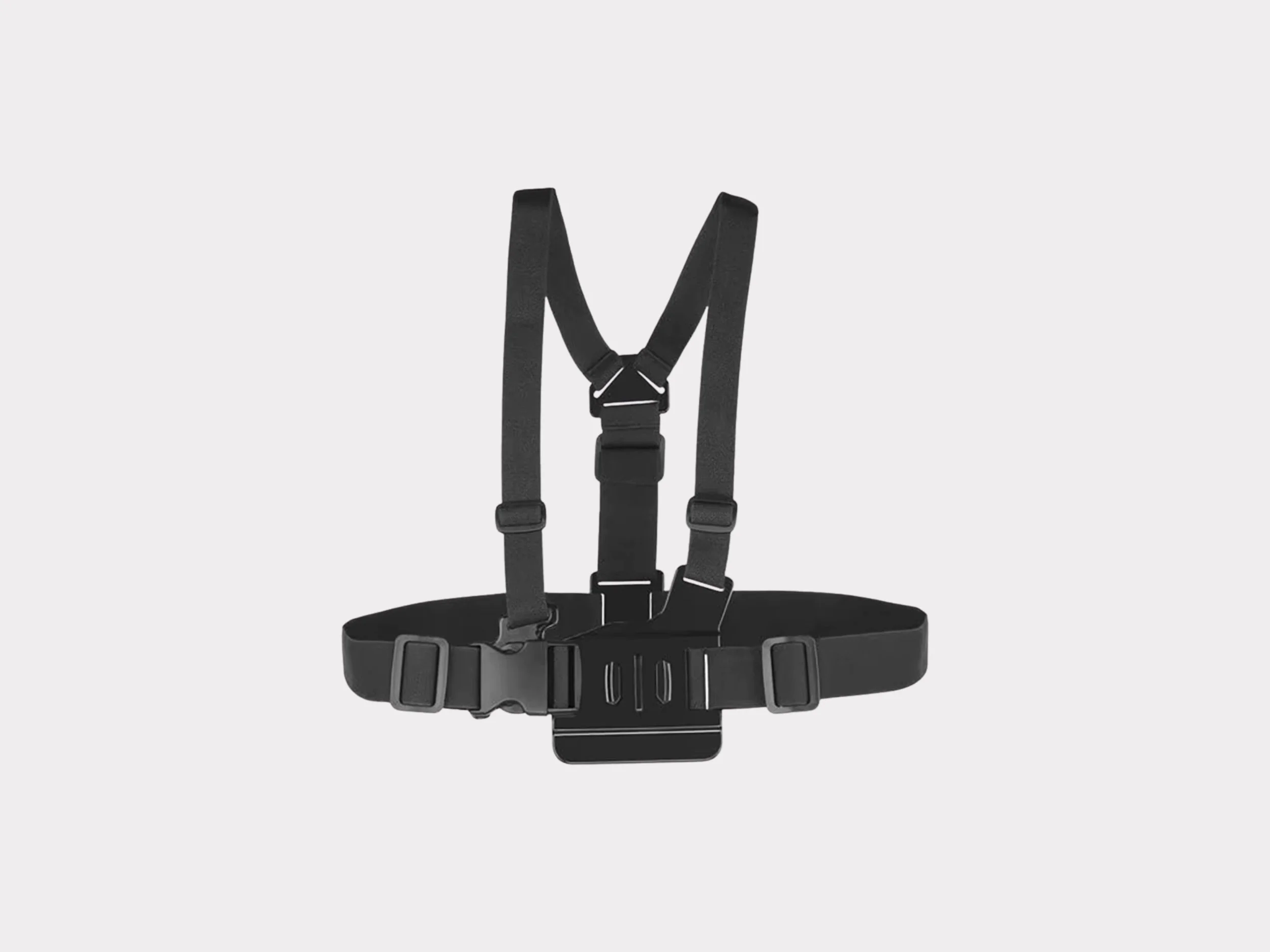
K&F CONCEPT 4-in-1 POV Mount Kit Plus
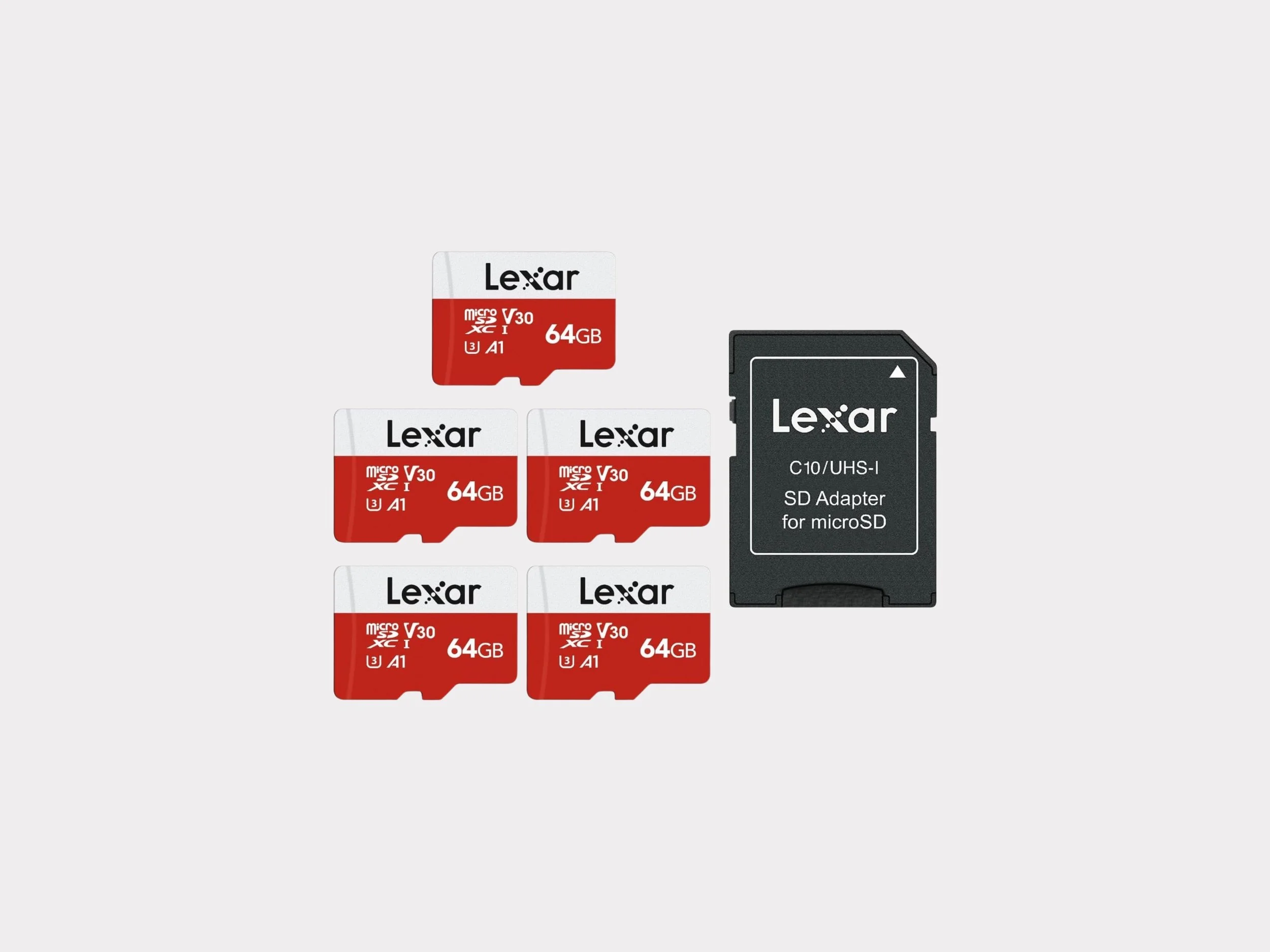
Lexar E-Series 64GB Micro SD Card Pack
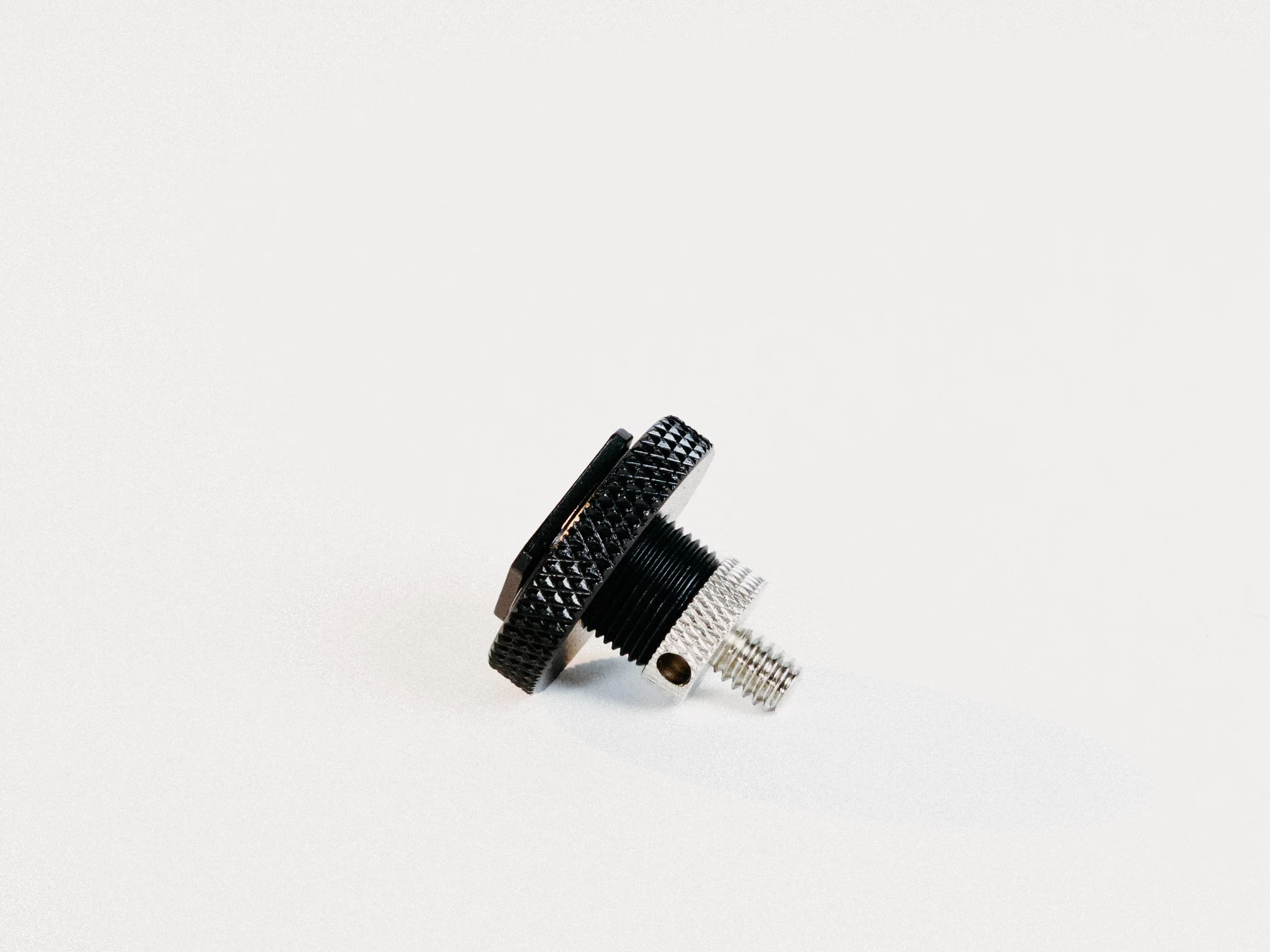
Atmoshue 1/4" Female Thread to Hot Shoe Adapter
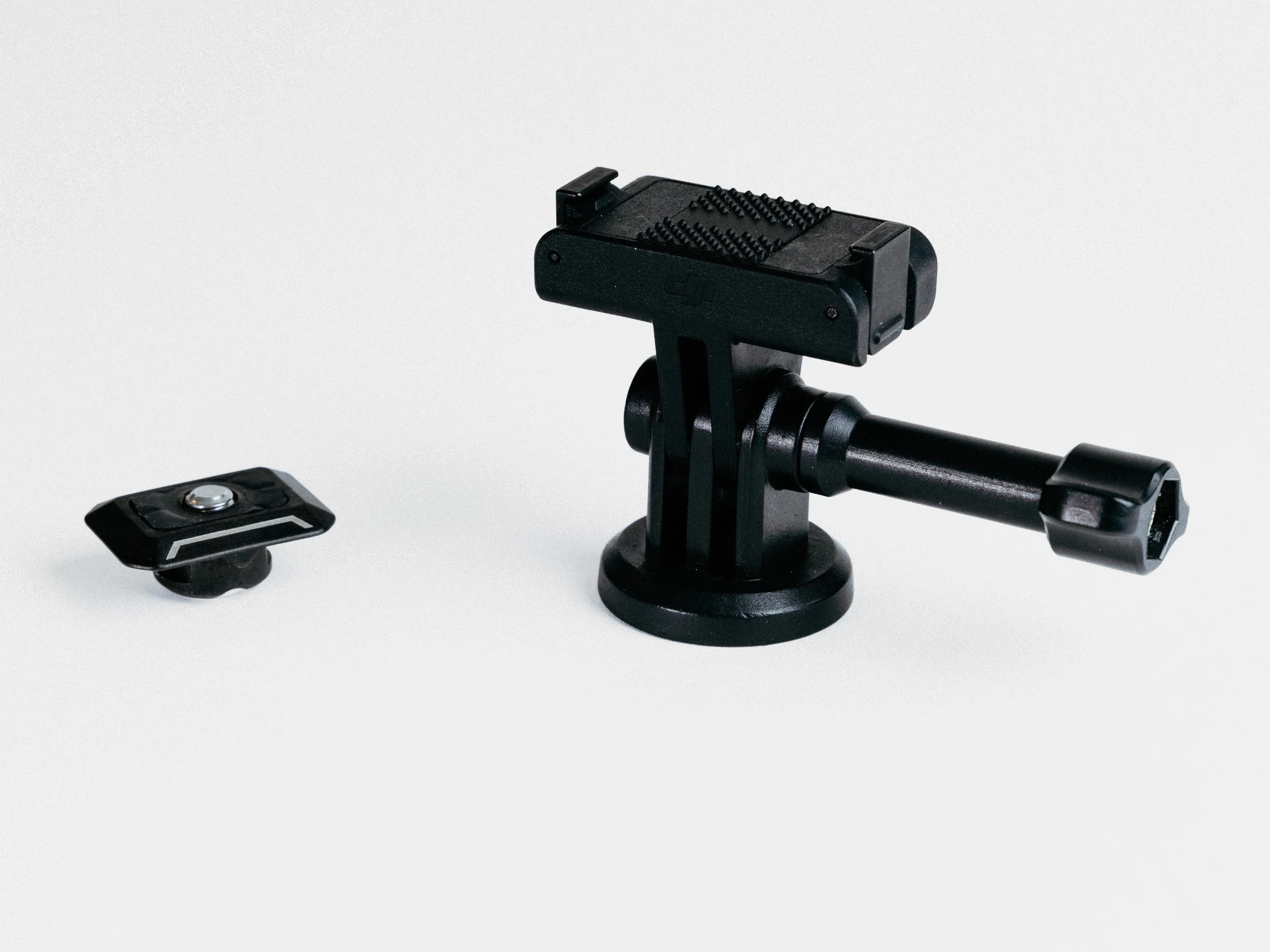
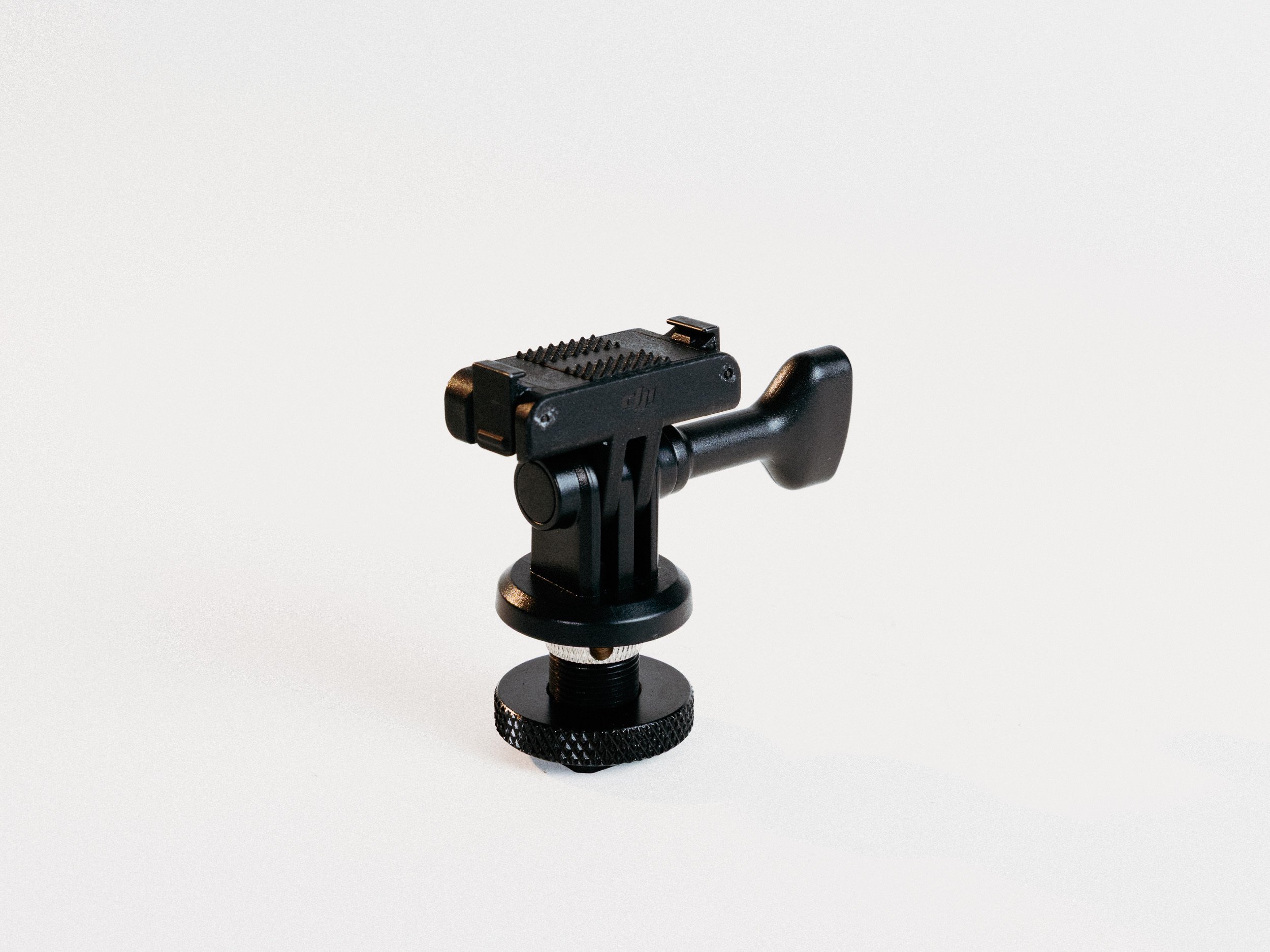
DJI Osmo Dual-Direction Quick-Release Adapter Mount + ¼ Adapter + Smallrig Hawklock
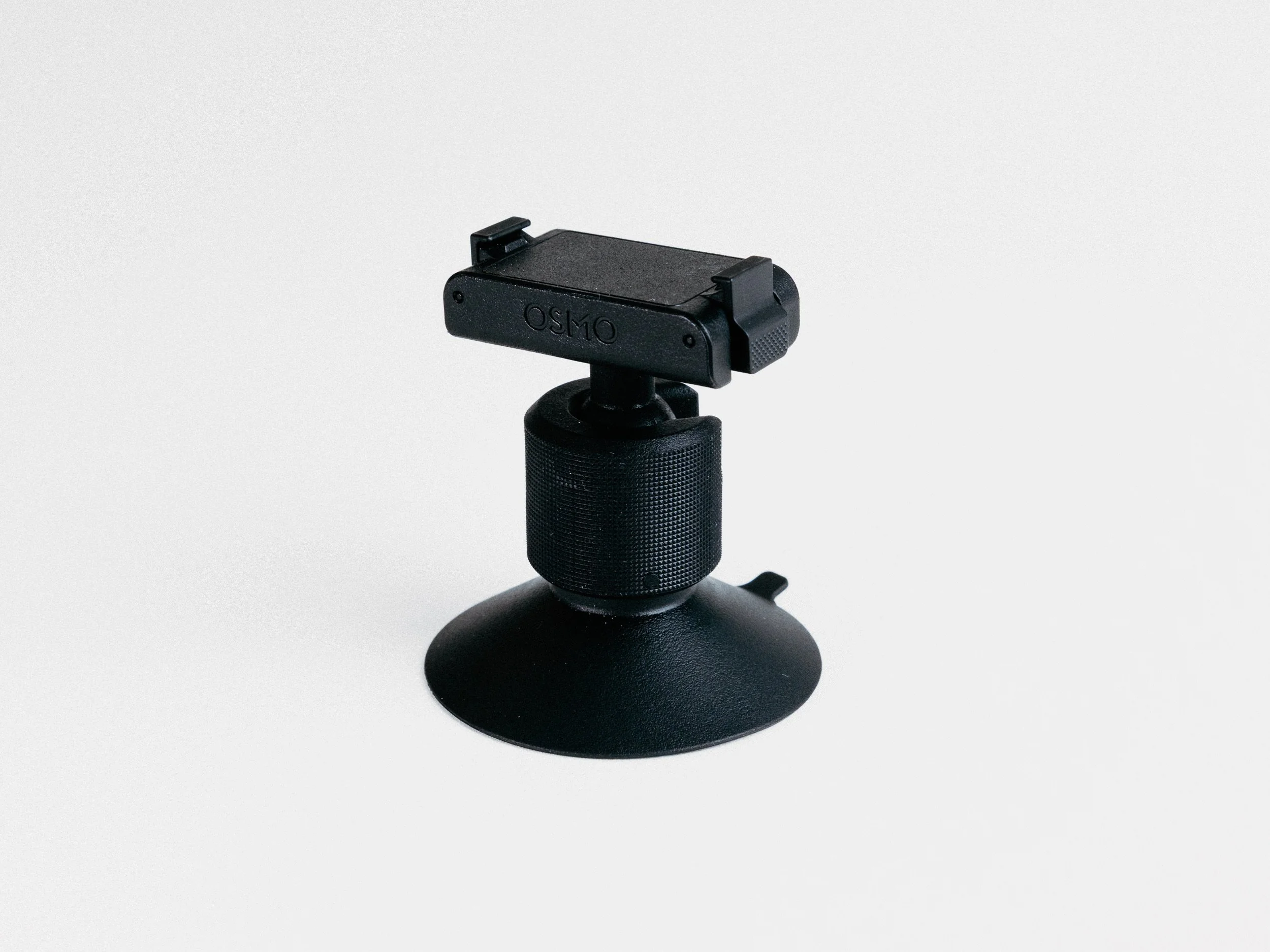
DJI Osmo Nano Dual-Direction Magnetic Ball-Joint Adapter Mount
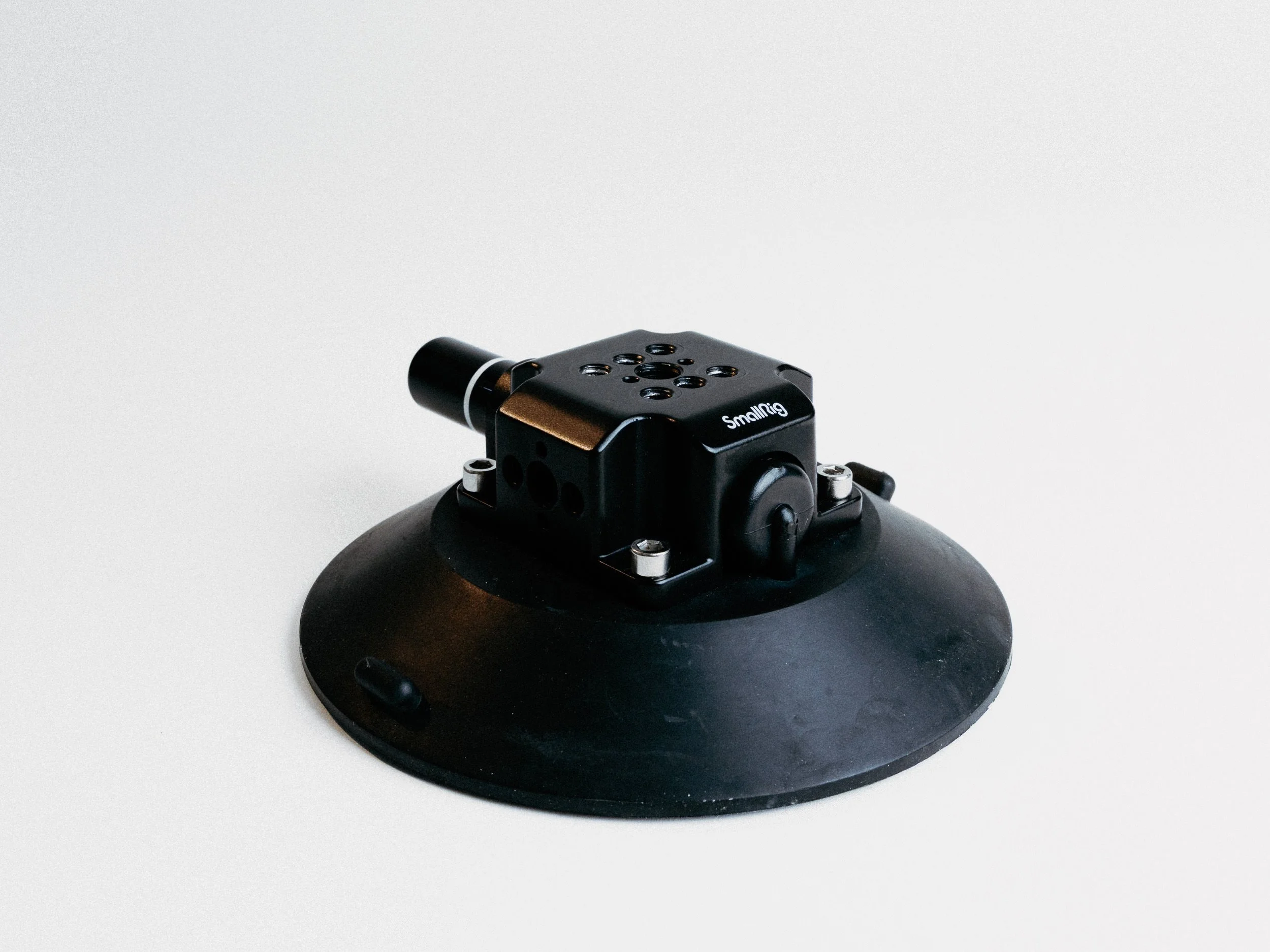
SmallRig 6″ Suction Cup Camera Mount (4114)
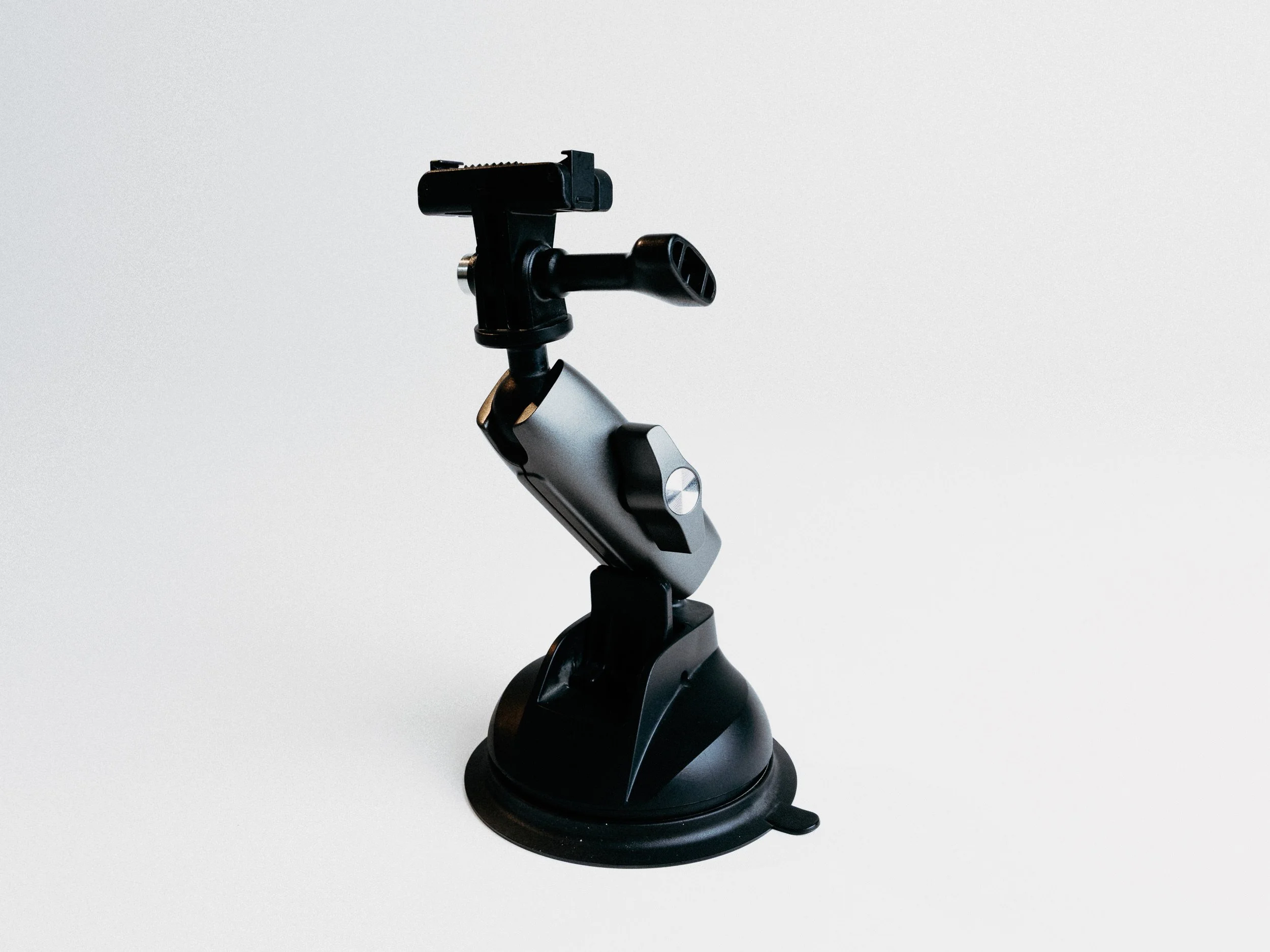
Telesin Aluminum Alloy Suction Cup
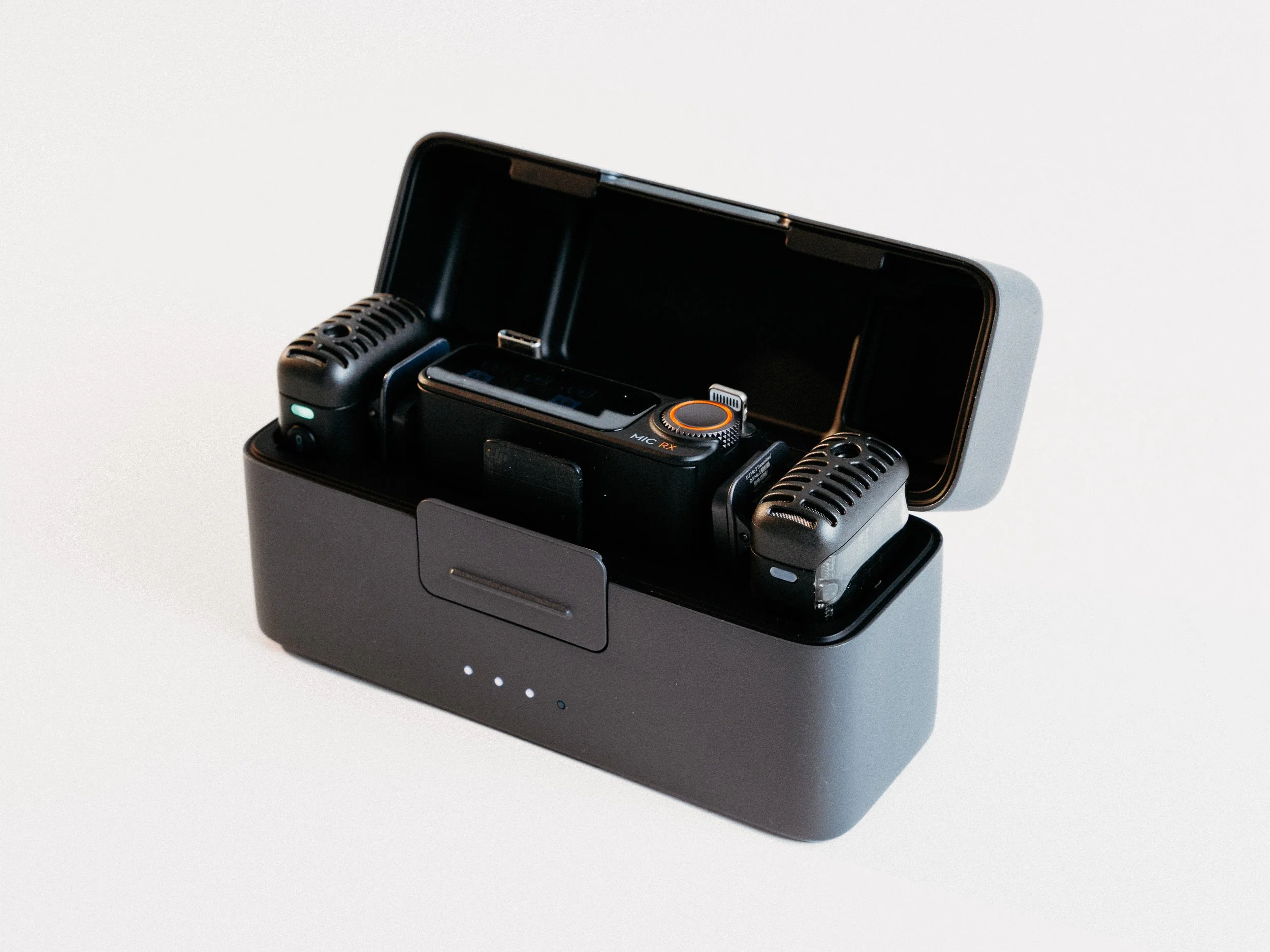
DJI Mic 2